For life with terriers.
Enhancing Your Terrier's Skills Through Agility Training
Explore essential agility training techniques for terriers, including health tips, care advice, and training insights.
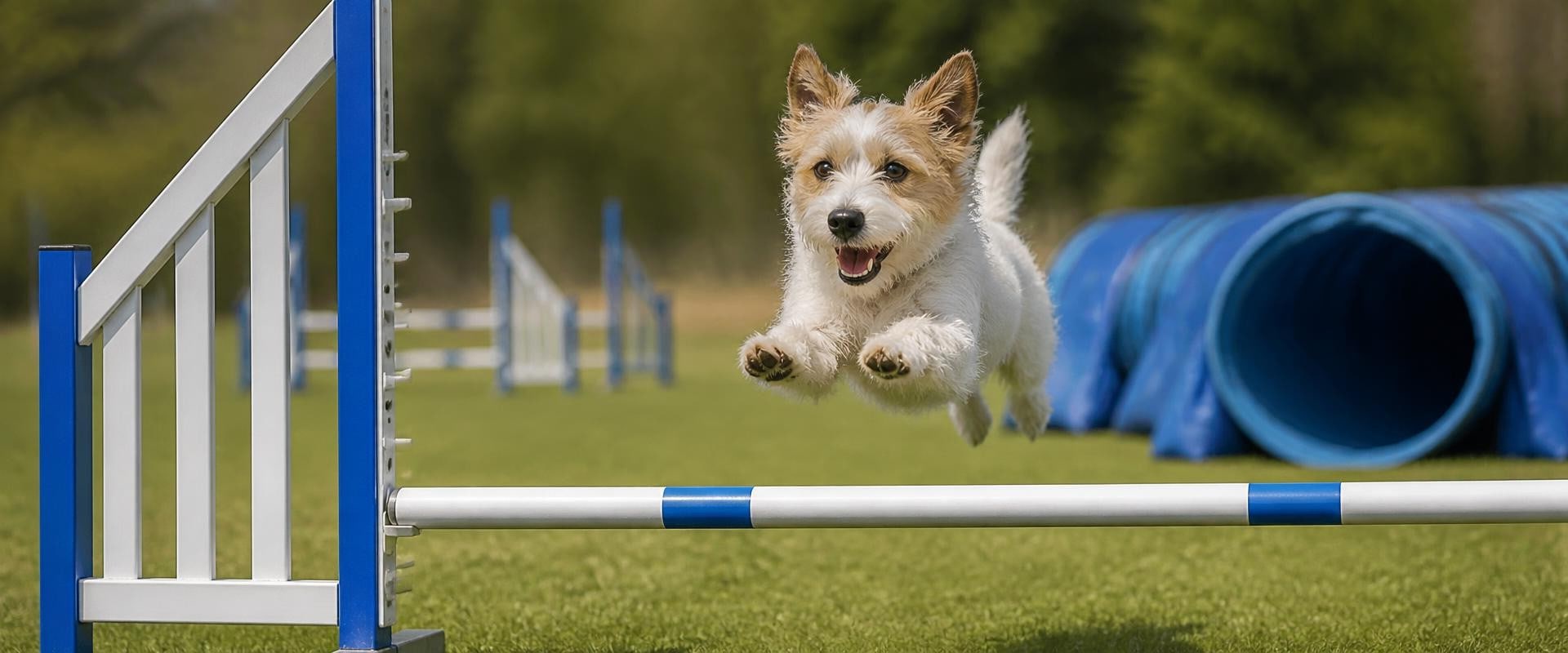
Every dog owner knows that terriers are more than just pets; they are vibrant, energetic companions that thrive on challenges and mental stimulation. If you own a terrier, you may have noticed their natural curiosity and agility, traits that make them perfectly suited for agility training for terriersagility training for terriers. This exhilarating form of training not only enhances your dog’s physical abilities but also strengthens the bond between you and your furry friend. Imagine watching your terrier nimbly weave through obstacles, leap over hurdles, and navigate complex courses with enthusiasm and precision.
Agility training for terriers
is not just about physical exercise; it’s about tapping into their innate instincts and channeling their energy in a productive way.As you embark on this journey, you’ll discover that agility training can transform your terrier into a well-rounded athlete, ready to take on any challenge that comes their way. This article will guide you through the exciting world of agility training for terriers, highlighting its benefits, essential techniques, and tips to ensure both you and your pet have fun while learning. Whether you are a seasoned trainer or a new dog owner, there are valuable insights here that will inspire you to embrace this dynamic sport. So, let’s dive in and explore how you can enhance your terrier's skills through agility training!Agility training is an engaging and rewarding way to enhance your terrier's skills while providing both physical exercise and mental stimulation. This dynamic sport involves navigating a course filled with various obstacles, such as jumps, tunnels, and weave poles.
To effectively get started with agility training for terriers, it is essential to understand the key components that make this activity enjoyable and successful for both you and your dog. When setting up for agility training, consider the essential equipment you will need. Jumps can be made from simple PVC pipes or purchased as kits specifically designed for dog agility. Tunnels, typically made of flexible fabric, encourage dogs to dash through them, promoting speed and confidence. Weave poles require precise movements and can help hone your terrier's agility and coordination.
Safety measures are crucial; ensure that all equipment is sturdy and appropriately sized for your dog's breed. Create a secure training environment free from distractions to help your terrier focus on the tasks at hand. Introducing agility exercises to your terrier should start with basic commands that every dog should know, such as 'sit,' 'stay,' and 'come.' Begin by encouraging your dog to navigate through simple obstacles, gradually increasing the complexity of the course as they become more comfortable. For instance, you might start with a single jump and reward them with treats for successfully clearing it. Once they master this, you can add another jump or introduce a tunnel to the course. Different terrier breedsterrier breeds exhibit unique characteristics that can influence their performance in agility training.
For example, Jack Russell Terriers are known for their high energy levels and eagerness to please, making them excellent candidates for more complex courses. In contrast, a Bull Terrier may require a slightly different approach due to their strong-willed nature; patience and consistent encouragement will be key in their training. Tailoring techniques to suit each breed’s personality can significantly enhance the learning experience. Maintaining motivation during agility training is vital for success. Positive reinforcement through treats, praise, or playtime after completing an obstacle can keep your terrier engaged and excited about the activity.
Incorporating fun games into your sessions can also be a great way to mix things up and maintain enthusiasm. For example, hide-and-seek games or using toys as rewards can elevate the energy during training. While training can be a fulfilling experience, it's not without its challenges. Distractions from other dogs or the environment can hinder progress, especially in breeds known for their stubbornness like the Fox Terrier. To combat this, practice in different settings gradually introducing distractions while ensuring that your dog remains focused on you.
If your terrier struggles with a particular obstacle or command, take a step back and simplify the task until they regain confidence. Another important aspect of agility training for terriers is socialization. Engaging with other dog owners and participating in local agility events can provide valuable learning experiences and opportunities to connect with fellow terrier enthusiasts. These interactions not only allow you to observe different training techniques but also encourage your dog to adapt to various environments and stimuli. As you embark on this exciting journey of agility training with your terrier, remember that patience and consistency are key factors in achieving success. The bond formed through shared training sessions will strengthen your relationship and provide countless enjoyable moments together.
Health Considerations for Terriers in Training
When engaging in agility training for terriers, it is crucial to prioritize your dog's health to ensure a safe and enjoyable experience.Before starting any training regimen, consider incorporating warm-up exercises. These exercises help to prepare your terrier's muscles and joints for the physical activity ahead, reducing the risk of injury. Simple activities like walking, light jogging, or gentle stretches can be effective in warming up. Additionally, it's important to recognize signs of fatigue during training sessions. Terriers are energetic and eager to please, which may lead them to push beyond their limits.
Watch for signs such as excessive panting, lagging behind, or reluctance to continue. If you notice any of these signs, it's essential to pause the session and allow your dog to rest and recover. Proper hydration is also vital. Always provide fresh water before, during, and after training sessions to keep your terrier well-hydrated. Furthermore, consider the environmental conditions; avoid training in extreme heat or cold, as these can significantly impact your dog's performance and well-being. Lastly, consult with your veterinarian prior to starting any new training program, especially if your terrier has pre-existing health conditions.
They can provide tailored advice based on your dog's specific needs, ensuring that your agility training journey is both safe and beneficial.
Basic Agility Techniques for Beginners
Agility training can be a rewarding experience for both you and your terrier. To get started, it’s essential to introduce some fundamental agility exercises that are easy to teach and can set the foundation for more advanced techniques. One of the first exercises to consider is the weave poles. You can create a simple setup using cones or poles spaced appropriately apart. Guide your terrier through the poles using treats or their favorite toy as motivation.This exercise not only helps with coordination but also encourages focus. Another basic exercise is the jumping hurdle. You can use a low bar or a series of cones placed in a line. Start by encouraging your terrier to jump over the hurdle at a low height, gradually increasing it as they become more confident. Always reward them with praise or treats to reinforce positive behavior. Additionally, you might want to incorporate the tunnel into your training routine.
Purchase a collapsible tunnel or create one using cardboard boxes. Encourage your terrier to run through it using treats or toys as incentives. This exercise enhances their confidence and improves their speed. Lastly, the pause table is an excellent tool for teaching your terrier to control their impulses. Use a sturdy table or platform where your dog must sit or lie down for a few seconds before moving on to the next obstacle.
This exercise promotes patience and discipline. As you practice these basic agility techniques, remember to keep training sessions short and enjoyable. The goal is to build a strong bond with your terrier while enhancing their skills through fun activities!
Participating in Agility Competitions
Entering agility competitionsagility competitions can be a rewarding experience for both you and your terrier. Not only does it provide a platform to showcase the skills you and your dog have developed through training, but it also fosters a sense of accomplishment and teamwork. Competing can enhance the bond between you and your terrier, as you work together to navigate courses filled with jumps, tunnels, and weave poles. Moreover, participating in these events can significantly boost your dog’s confidence.Successfully completing an agility course can be a thrilling experience for your terrier, helping them develop a positive attitude towards challenges. Additionally, competitions often provide a supportive community of fellow dog owners and trainers who share similar goals and passions, making it a great opportunity to socialize. To find local agility competitions suitable for terriers, start by researching organizations such as the American Kennel Club (AKC) or the United States Dog Agility Association (USDAA). These organizations host various events across the country. You can also check local dog training facilities, pet stores, or community centers that may offer information about upcoming competitions.
Joining online forums or social media groups focused on agility training can further help connect you with other enthusiasts who might share valuable insights and event information. In conclusion, entering your terrier in agility competitions can greatly enhance their skills and provide invaluable experiences for both of you. With the right preparation and mindset, you can turn agility training into a fun and fulfilling journey.
Progressing to Advanced Techniques
Once your terrier has mastered the basics of agility training, it’s time to take their skills to the next level.Advanced techniques
not only keep the training exciting but also provide greater mental and physical challenges for your dog. Here are some strategies to help your terrier progress:1.Incorporate Complex Obstacles: Start adding more complex obstacles such as weave poles, seesaws, and tunnels.These elements require your terrier to think critically and navigate through varying challenges, enhancing their agility.
2.Vary the Course Layout:
Change the layout of your agility course regularly. By rearranging obstacles or altering the order in which they must be tackled, you encourage your dog to adapt and improve their problem-solving abilities.3.Increase Speed and Precision:
Work on timing and precision with your terrier. Use a stopwatch to measure their speed as they complete the course. Encouraging them to beat their own records will keep them motivated and focused.4.Introduce Distractions:
To simulate real-world scenarios, introduce distractions during training sessions.This could include other dogs, sounds, or toys nearby. Teaching your terrier to stay focused amidst distractions is crucial for their development.
5.Advanced Commands:
Incorporate advanced commands such as 'back,' 'spin,' or 'jump.' These commands can enhance your terrier's responsiveness and allow for more fluid movements during agility courses.6.Practice with Different Surfaces:
Train your terrier on various surfaces like grass, sand, or even uneven terrain. This helps them build confidence and adaptability in their agility skills. By implementing these advanced training tips, you’ll be able to challenge your terrier further and enhance their skills while keeping training sessions enjoyable.Setting Up an Agility Course at Home
Creating an agility course at home is an excellent way to engage your terrier in physical activity while utilizing space effectively. With a few household items or some purchased equipment, you can design a course that challenges your dog and enhances their agility skills.1.Start with a Plan:
Before setting up your course, sketch out a simple design to visualize where each obstacle will go.Make sure to choose a space that is free from hazards and has enough room for your terrier to run safely.
2.Use Household Items:
You can easily create obstacles using common items around your home. For example, use broomsticks balanced on chairs for jumps, or set up hula hoops for your terrier to jump through. Cardboard boxes can serve as tunnels or barriers to navigate around.3.Invest in Basic Equipment:
If you prefer more durable options, consider investing in some basic agility equipment such as tunnel tubes, weave poles, and jumps. These can often be found at pet stores or online.Many suppliers offer starter kits specifically designed for home agility training.
4.Ensure Safety:
Safety is paramount when setting up your agility course. Make sure all items are stable and secure to prevent any accidents. Avoid sharp edges or any materials that could injure your dog during playtime.5.Keep It Engaging:
To keep your terrier interested, change up the layout of the course regularly. Introduce new obstacles or modify existing ones to challenge their skills and maintain their enthusiasm for training.6.Use Positive Reinforcement:
As you guide your terrier through the course, use treats and praise to encourage them.This positive reinforcement helps build their confidence and makes agility training a fun bonding experience for both of you. By setting up an agility course at home, you provide your terrier with a stimulating environment that promotes both physical fitness and mental sharpness. With creativity and care, your home can become a lively training ground for your furry friend!
Understanding Terrier Characteristics
Terriers are a diverse group of dog breeds known for their energetic and spirited nature. Their unique characteristics make them well-suited for agility training, a sport that not only tests their physical abilities but also engages their minds. One of the most notable traits of terriers is their high energy levels. Breeds such as the Jack Russell Terrier and Border Terrier are known for their boundless enthusiasm, making them eager participants in agility courses.This energy translates into a willingness to learn and excel in various challenges presented during training. Another characteristic that stands out among terrier breeds is their intelligence. Terriers are often quick learners, capable of picking up new commands and techniques rapidly. This cognitive ability is particularly beneficial in agility training, where dogs must navigate courses, respond to cues, and make split-second decisions. Additionally, many terriers possess a strong prey drive, which can be harnessed during agility training. Breeds such as the Airedale Terrier and Scottish Terrier were originally bred for hunting and have a natural instinct to chase and pursue.
Utilizing this instinct during training sessions can make the experience more engaging for the dog and enhance their performance. The playfulness inherent in terriers also contributes to their suitability for agility training. This playful demeanor keeps the training sessions fun and rewarding, which is essential for maintaining the dog’s interest and motivation. Owners can create an enjoyable atmosphere by incorporating games and rewards into their practice routines. Moreover, the compact size of many terrier breeds allows them to maneuver easily through agility equipment. Breeds like the Miniature Bull Terrier or Patterdale Terrier can navigate tight spaces and jump over obstacles with ease, making them ideal candidates for agility competitions. In summary, the combination of high energy, intelligence, strong prey drive, playfulness, and compact size makes various terrier breeds particularly well-suited for agility training.
By understanding these unique traits, owners can tailor their training methods to harness their terrier's natural abilities effectively. In conclusion, agility training for terriers is not just a physical activity; it is a holistic approach to enhancing your dog's overall well-being. By engaging in agility training, you create a bond with your pet that is built on trust, communication, and shared fun. This rewarding experience allows both you and your terrier to grow together, tackling challenges and celebrating successes along the way. Remember to be patient and consistent with your training efforts. Each terrier has its own personality, strengths, and learning pace, and it’s important to celebrate small victories as your dog progresses.
The journey of agility training can be filled with ups and downs, but the key is to enjoy every moment spent together. We encourage you to share your experiences or seek advice from fellow terrier owners as you embark on this exciting training adventure. Your stories can inspire others and contribute to a community that values the joy of nurturing our beloved pets through agility training.