For life with terriers.
Dandie Dinmont Terrier Characteristics
Discover the characteristics, care tips, and history of Dandie Dinmont Terriers, ideal for enthusiasts and potential owners.
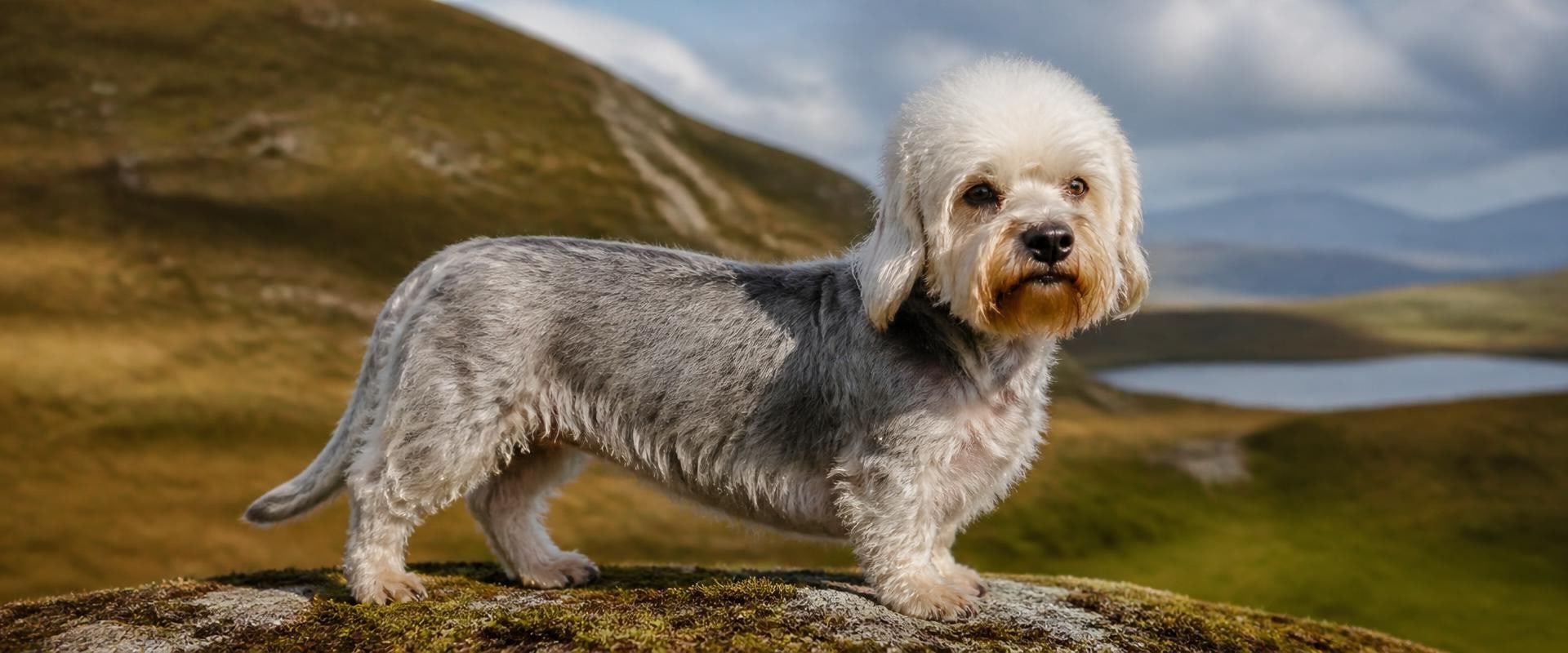
The Dandie Dinmont TerrierDandie Dinmont Terrier, a unique and charming breed, stands out in the world of terriers with its distinct appearance and delightful personality. Originating from the border region of Scotland and England, this breed is not just another face in the canine crowd; it boasts a rich history and an array of fascinating characteristics that make it a beloved companion for many. With its characteristic long body, short legs, and a coat that blends the textures of both silky and wiry fur, the Dandie Dinmont Terrier captures the hearts of dog lovers everywhere. But beyond their adorable looks lies an intelligent and spirited nature that can make them both a joy and a challenge to own.
In this article, we will delve deep into the defining traits of the Dandie Dinmont Terrier, exploring everything from their temperament and energy levels to their grooming needs and health considerations. Whether you're a potential owner or simply a terrier enthusiast, understanding these characteristics is essential in appreciating what makes this rare breed so special. Join us as we uncover the many facets of the Dandie Dinmont Terrier and discover why they hold a treasured place among rare terrier breeds. The Dandie Dinmont Terrier is a remarkable breed that stands out among the myriad of terriers, thanks to its unique set of characteristics. This breed is known for its distinctive appearance and charming personality, making it a favorite among terrier enthusiasts and families alike.
Dandie Dinmont Terriers are small but sturdy dogs, typically weighing between 18 to 24 pounds and standing about 8 to 11 inches tall at the shoulder. Their body is elongated, with a strong build that reflects their historical purpose as a hunting dog. One of the most notable features of the Dandie Dinmont is its coat, which is characterized by a soft, silky top coat that contrasts with a dense, woolly undercoat. This combination gives them a unique texture that requires regular grooming to maintain its health and appearance. The breed comes in two primary color variations: mustard and pepper.
The mustard color ranges from a light fawn to a deep gold, while the pepper color varies from gray to black. These beautiful coats not only enhance their aesthetic appeal but also serve as protection against harsh weather conditions. The temperament of the Dandie Dinmont Terrier is another aspect that endears them to many. They are known for their loyalty and intelligence, making them excellent companions for families and individuals alike. These terriers tend to bond closely with their owners and are often described as affectionate and playful.
However, they can also exhibit a stubborn streak, which is common among terrier breeds. This means that consistent training and socialization from an early age are crucial for fostering well-rounded behavior. The history of the Dandie Dinmont Terrier dates back to the early 18th century in the border region between England and Scotland. Originally bred for hunting small game such as badgers and otters, their lineage has influenced their behavior today. The Dandie Dinmont has retained its keen instincts and energetic nature, making them playful yet determined.
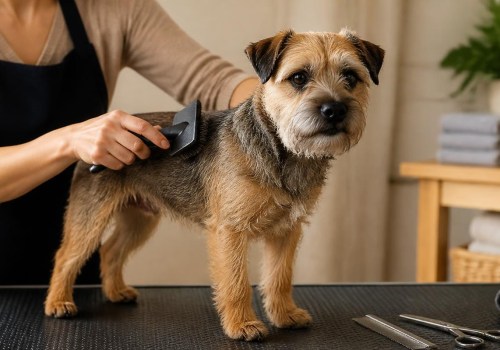
Their historical role as hunters contributes to their high intelligence and problem-solving abilities. Caring for a Dandie Dinmont Terrier involves understanding their specific needs. Regular grooming is essential due to their unique coat texture; owners should plan on brushing their dogs several times a week to prevent matting and remove loose hair. Professional grooming every few months is also recommended to maintain the coat's health and appearance. Additionally, routine dental care, nail trimming, and ear cleaning should be part of their regular care regimen. When it comes to training, positive reinforcement methods work best for Dandie Dinmonts.
They respond well to praise, treats, and playtime as rewards for good behavior. Early socialization with other dogs and people will help them develop into well-adjusted adults. Consistency in commands and training sessions will help curb any stubborn tendencies while promoting their intelligent nature. As with any breed, Dandie Dinmont Terriers may be prone to certain health issues. Common concerns include hip dysplasia, eye problems like cataracts, and skin allergies due to their coat type.
Regular veterinary check-ups, a balanced diet, and maintaining an appropriate weight can help mitigate these risks. Being aware of these potential health issues allows owners to take preventive measures to ensure their furry friends remain healthy and happy. Recent events related to the Dandie Dinmont Terrier highlight their ongoing popularity and the efforts made by enthusiasts to promote the breed. Dog shows featuring this breed have showcased their unique characteristics and charm, attracting attention from potential adopters and fans alike. Additionally, there are ongoing rescue initiatives aimed at finding new homes for Dandie Dinmonts in need of rehoming, emphasizing the breed's importance within the canine community. Insights from current owners reveal how rewarding it is to share life with a Dandie Dinmont Terrier.
Many appreciate their playful antics and loyal companionship, noting how these dogs become integral parts of the family dynamic. The breed's unique characteristics—both physical and behavioral—make them not only excellent pets but also cherished members of households.
Physical Characteristics
The Dandie Dinmont Terrier is a small and distinctive breed known for its unique appearance. They typically weigh between 18 to 24 pounds and stand about 8 to 11 inches tall at the shoulder, making them a compact and sturdy dog. One of the most notable features of the Dandie Dinmont Terrier is their coat. They possess a double coat that consists of a soft undercoat and a harsher, longer outer coat.This unique texture gives them a distinctive look and helps protect them from various weather conditions. The coat colors of the Dandie Dinmont Terrier are primarily classified into two main varieties: mustard and pepper. The mustard variety features a rich, golden hue, while the pepper variety showcases a beautiful mixture of dark blue and black tones. Both colorations are equally cherished among enthusiasts, contributing to the breed's charm. In addition to their coat and size, Dandie Dinmont Terriers are recognized for their expressive faces and prominent eyebrows, which enhance their overall personality. Their long body and short legs give them a distinctive silhouette that sets them apart from other terrier breeds.
Community and Events
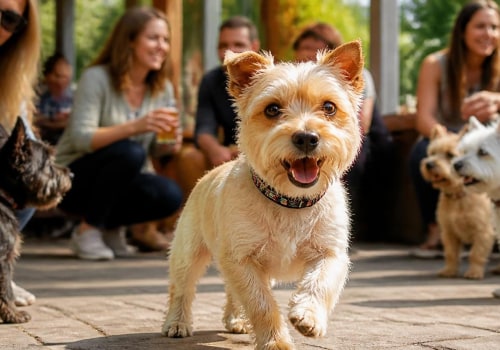
Connecting with other Dandie Dinmont Terrier enthusiasts can greatly enhance your experience as a dog owner.One of the best ways to do this is by joining breed-specific clubs and organizations. The Dandie Dinmont Terrier Club of America and similar clubs offer a wealth of resources, including training tips, health information, and social events. Participating in local meetups or online forums dedicated to Dandie Dinmont Terriers can also help you connect with fellow owners. These gatherings provide an excellent opportunity to share experiences, swap advice, and celebrate this unique breed together. Additionally, attending dog shows and competitions featuring Dandie Dinmont Terriers can be an exciting way to immerse yourself in the community. Events like the Westminster Kennel Club Dog Show often showcase these charming dogs, allowing you to meet other fans and see the breed in action. For those looking to deepen their involvement, consider volunteering for rescue organizations that focus on Dandie Dinmont Terriers.
This not only helps the dogs in need but also connects you with a network of passionate advocates who share your love for this rare terrier breed.
Temperament and Behavior
The Dandie Dinmont Terrier is known for its distinctive personality traits that make it a beloved choice among terrier enthusiasts. These dogs are often described as affectionate, intelligent, and playful. Their friendly demeanor allows them to form strong bonds with their families, making them excellent companions for both adults and children. In terms of behavior, the Dandie Dinmont Terrier is generally energetic and enjoys engaging in various activities. They are known to be quite curious, often exploring their surroundings with enthusiasm.This breed's playfulness means they thrive in environments where they can interact with their family members and partake in games. Despite their small size, Dandie Dinmont Terriers have a strong-willed nature, which may lead to stubbornness during training. Early socialization and consistent training methods are essential to harness their intelligence and ensure well-rounded behavior. They tend to be quite loyal and protective of their families, showcasing a natural instinct to guard their home. Overall, the temperament of the Dandie Dinmont Terrier makes it a unique breed among terriers, offering a blend of affection, playfulness, and loyalty that appeals to many dog lovers.
Health Considerations
The Dandie Dinmont Terrier is generally a healthy breed; however, like all dogs, they are predisposed to certain health issues. Understanding these common health concerns can help owners take preventive measures to ensure their furry friends live long and healthy lives. One of the most prevalent health issues among Dandie Dinmont Terriers is intervertebral disc disease (IVDD).This condition affects the spine, leading to pain and mobility problems. Regular exercise and maintaining a healthy weight can help minimize the risk of IVDD. Another concern is allergies, which can manifest as skin irritations or digestive issues. It is essential to monitor their diet and environment for potential allergens. Consulting with a veterinarian can provide guidance on appropriate dietary choices and allergy testing if needed. The breed is also susceptible to eye conditions, such as cataracts and glaucoma.
Regular veterinary check-ups that include eye examinations are crucial for early detection and treatment of these conditions. Furthermore, patellar luxation, a condition where the kneecap dislocates, is another issue that may affect this breed. Keeping their weight in check and ensuring they have safe, non-slippery surfaces to walk on can help prevent this issue. To promote overall health, it is essential for Dandie Dinmont Terrier owners to establish a routine of regular veterinary visits, vaccinations, and dental care. Preventive measures, such as a balanced diet and adequate exercise, will contribute significantly to the well-being of these charming terriers.
Care and Grooming Tips
The Dandie Dinmont Terrier is known for its distinctive appearance and charming personality, but proper care and grooming are essential to keep this breed healthy and happy. Understanding their grooming needs, exercise requirements, and dietary considerations will help ensure that your Dandie Dinmont Terrier thrives as a beloved family pet.Grooming Needs:
The Dandie Dinmont Terrier has a unique coat that requires regular grooming to maintain its quality.Their double coat consists of a soft undercoat and a longer, harsher outer coat. To prevent matting and keep their coat in optimal condition, it is recommended to brush your Dandie Dinmont Terrier at least once a week. Regular visits to a professional groomer for trimming are also beneficial, particularly to maintain the breed's signature topknot.
Exercise Requirements:
While Dandie Dinmont Terriers are relatively small, they have moderate energy levels and require regular exercise to stay healthy. Daily walks and playtime in a secure area will help satisfy their physical activity needs.Engaging them in interactive games or training sessions can also provide mental stimulation. A minimum of 30 minutes of exercise each day is ideal for maintaining their overall well-being.
Dietary Considerations:
A balanced diet is crucial for the health of your Dandie Dinmont Terrier. High-quality dog food formulated for small breeds is recommended, as it will provide the necessary nutrients to support their growth and energy levels. Be mindful of portion sizes to prevent obesity, which can be a concern in this breed.Consulting with your veterinarian can help you determine the best diet plan tailored to your Dandie Dinmont Terrier's specific needs.
Training Insights
Training a Dandie Dinmont Terrier requires patience and consistency, as these dogs are known for their independent spirit. While they are intelligent and eager to please, they can also be stubborn at times. Here are some effective training techniques suitable for this breed:Positive Reinforcement: Utilize positive reinforcement methods such as treats, praise, and playtime to encourage desired behaviors. This approach helps build a strong bond between the dog and the owner, making training more enjoyable.Short Training Sessions:
Keep training sessions brief, ideally around 5-10 minutes, to maintain the dog's interest and focus.Frequent short sessions throughout the day can be more effective than longer, less frequent ones.
Socialization:
Early socialization is crucial for a Dandie Dinmont Terrier. Expose them to various people, pets, and environments to help them develop into well-rounded adults. This exposure reduces the chances of fear or aggression towards unfamiliar situations.Basic Commands:
Start with basic commands such as sit, stay, and come. These foundational commands are essential for safe interactions and can help manage their behavior effectively.Consistency is Key:
Ensure that all family members use the same commands and training techniques to avoid confusing the dog.Consistency helps reinforce learning and establishes clear expectations.
Leash Training:
Given their terrier instincts, leash training is important for a Dandie Dinmont Terrier. Teach them to walk politely on a leash to prevent pulling and ensure enjoyable walks.Gradual Introduction to Advanced Training:
Once your Dandie Dinmont Terrier masters the basics, gradually introduce more advanced training activities such as agility or tricks. This keeps their mind engaged and provides mental stimulation. In conclusion, employing these training techniques will enhance your experience with a Dandie Dinmont Terrier, ensuring they become well-behaved and happy family members. In conclusion, the Dandie Dinmont Terrier is a truly unique breed that boasts a variety of distinct characteristics, from their charming appearance to their affectionate temperament. These dogs are known for their adaptability, making them suitable companions for a range of families and individuals, whether you live in a bustling household or a quieter setting.Their playful nature and loyalty make them excellent family pets, capable of forming strong bonds with both adults and children. The Dandie Dinmont Terrier stands out among other terrier breeds not only due to its unique history and heritage but also because of its manageable size and moderate exercise needs. This breed thrives on companionship and interaction, making them an ideal choice for those looking for a loving and engaging pet. For anyone considering adding a furry friend to their family, we encourage you to explore the possibility of adopting a Dandie Dinmont Terrier. They are often available through breed-specific rescue organizations and clubs. Connecting with local breed clubs can provide valuable resources and guidance in finding the right Dandie Dinmont for your home.