For life with terriers.
Emergence of Designer Terrier Breeds
Explore the rise of designer terrier breeds, their care, characteristics, and the latest news in the terrier community.
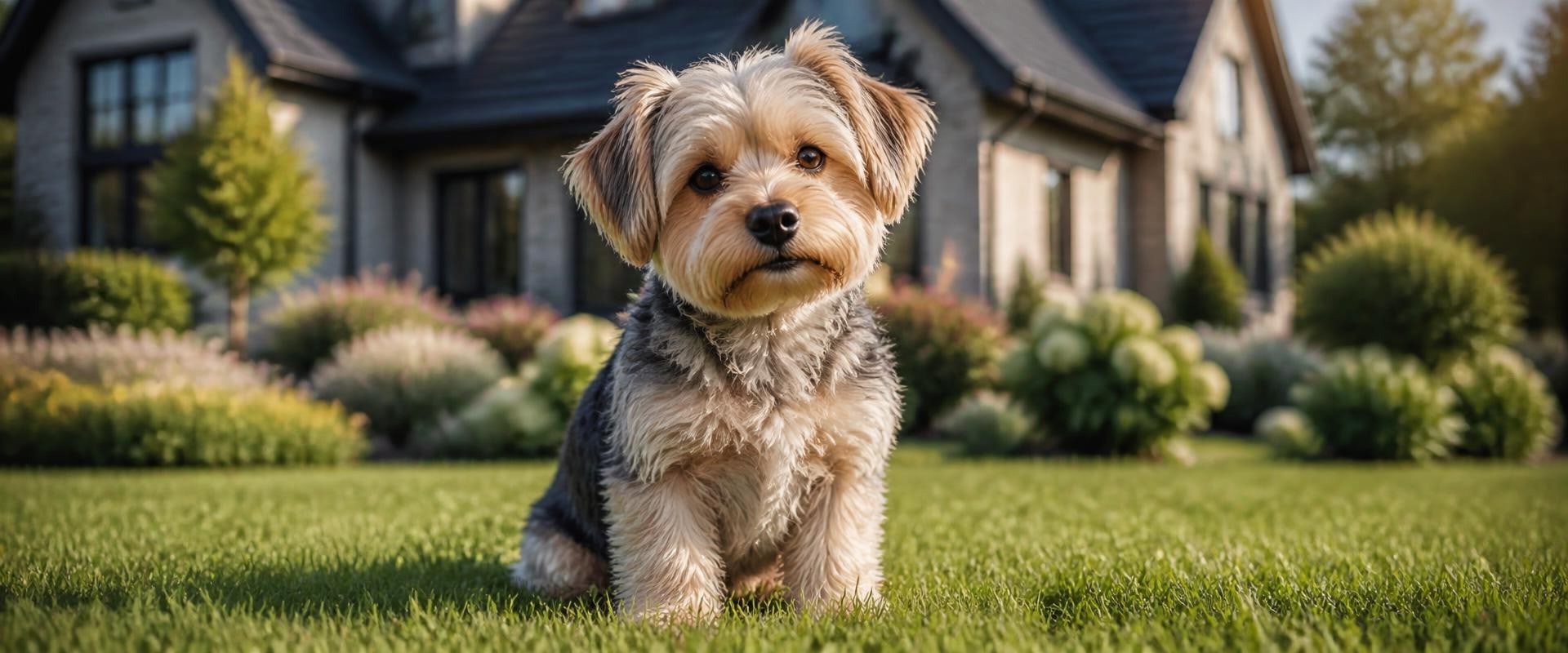
The world of canine companions has been enriched by a fascinating trend in recent decades: the emergence of designer terrier breeds. These unique hybrids, created by blending traditional terrier types with other popular breeds, have captured the hearts of dog lovers and transformed the landscape of pet ownership. But what exactly led to this captivating phenomenon? In this article, we will explore the historical context, breeding practices, and societal influences that have contributed to the rise of designer terrier breeds. As we delve into this intriguing topic, you will discover how these charming mixes not only reflect our evolving preferences in dog ownership but also highlight the interplay between breed characteristics and aesthetic appeal. From the spirited Jack Russell Terrier crossed with the elegant Poodle to the playful Yorkshire Terrier mingling with a French Bulldog, each combination brings forth a new set of traits that cater to modern lifestyles. Join us as we journey through the annals of canine breeding history, uncovering the reasons behind this emerging trend and what it means for the future of terrier breeds.
Whether you are a seasoned breeder, a curious dog owner, or simply an enthusiast of canine culture, this exploration will provide valuable insights into the dynamic world of designer terrier breeds and their place in our lives. The history of traditional terrier breeds is rich and varied, laying a strong foundation for the emergence of hybrid or designer terrier breeds. Terriers, originally bred for their tenacity and hunting prowess, were developed in the 19th century to chase and eliminate vermin. Breeds such as the Jack Russell Terrier, Fox Terrier, and Staffordshire Bull Terrier were specifically cultivated for their spirited nature and agility, making them excellent companions as well as working dogs. As society's relationship with dogs evolved from functional to companionable, the appeal of these breeds expanded beyond their utilitarian origins. The surge in popularity of designer terrier breeds can be attributed to a few key factors, one of which is the increasing desire among dog lovers for unique pets that stand out in both appearance and temperament.
Crossbreeding has become a prevalent practice, as breeders aim to enhance desirable traits while minimizing potential health issues associated with purebred dogs. This has led to the creation of new hybrids that combine the best characteristics of their parent breeds. A prime example is the Jack Russell Terrier mix, which often inherits the intelligence and energy of its purebred counterpart while also benefiting from the traits of another breed, such as a gentler temperament or a more manageable size. Similarly, mixes like the Bull Terrier mix can showcase the playful nature of the Bull Terrier combined with the loyalty of another breed, creating a delightful companion that appeals to a broad range of dog owners. However, potential adopters should also be aware of common concerns regarding designer breeds. One misconception is that hybrid dogs are inherently healthier than their purebred counterparts.
While crossbreeding can mitigate some genetic disorders prevalent in purebred lines, it does not guarantee immunity to health issues. Therefore, prospective owners must conduct thorough research on both parent breeds to understand potential health risks. When it comes to care requirements, each designer terrier breed may have unique needs based on its lineage. For instance, training should be tailored to their traits; many terriers are spirited and require consistent training techniques that incorporate positive reinforcement. Socialization is also vital during their early developmental stages to ensure they grow up to be well-rounded adults. Grooming practices can vary significantly among hybrid terriers.
Some may inherit a wiry coat from one parent while having a smooth coat from another. Regular brushing is essential to prevent matting and reduce shedding, particularly for those with longer hair. Additionally, regular dental care and nail trimming should not be overlooked as part of their grooming regimen. Recent events in the terrier community have also highlighted the growing interest in designer terrier breeds. Breed shows and adoption events increasingly feature these hybrids, allowing enthusiasts to connect and share their passion for these unique dogs.
Such gatherings provide invaluable opportunities for education and community engagement among dog lovers. For those interested in adopting or learning more about designer terrier breeds, numerous resources are available. Online forums and social media groups dedicated to terrier enthusiasts can facilitate connections between potential adopters and fellow dog lovers. Local rescue organizations often hold events where individuals can meet various breeds firsthand, helping them find the perfect canine companion that suits their lifestyle. In conclusion, the emergence of designer terrier breeds reflects changing trends in dog ownership and breeding practices over time. As we continue to explore this fascinating evolution within the terrier community, it is crucial for prospective owners to remain informed about the specific needs and characteristics of these hybrids to ensure a happy and healthy life for their new furry friends.
Understanding Designer Breeds
Designer breeds refer to hybrid dogs that are intentionally bred from two distinct purebred parents, often to create a pet with desirable traits from both breeds.In the realm of terrier breeds, this concept has gained significant traction as enthusiasts seek to combine the energetic and spirited nature of terriers with the characteristics of other popular dog breeds. The emergence of designer terrier breeds can be attributed to their unique appeal. Dog lovers are often drawn to these hybrids for their potential to exhibit a range of desirable traits, such as temperament, size, and coat type. For instance, the Yorkshire Terrier crossed with a Poodle gives rise to the Yorkipoo, which is known for its intelligence, hypoallergenic coat, and friendly disposition. Historically, terriers were bred for specific functions such as hunting vermin or guarding properties. However, modern breeding practices have shifted focus towards creating companion animals that fit well into family lifestyles.
This evolution highlights not only the adaptability of terriers but also the changing preferences of dog owners. As people increasingly seek out dogs that align with their personal lifestyles, the emergence of designer terrier breeds reflects this trend by offering pets that combine the best traits of their parent breeds. Overall, understanding designer breeds within the context of terriers involves recognizing how selective breeding practices have been adapted to meet contemporary demands, resulting in a variety of unique and appealing hybrids.
The Legacy of Traditional Terriers
The roots of traditional terrier breeds can be traced back several centuries, primarily in Europe, where they were bred for specific purposes related to hunting and pest control. These breeds were designed to be tenacious and agile, capable of digging out vermin from their burrows and showcasing remarkable stamina. The terrier group is diverse, encompassing various breeds such as the Jack Russell Terrier, the Scottish Terrier, and the West Highland White Terrier, each with unique characteristics and histories that reflect the needs of their time. Historically, terriers played a vital role in agricultural communities, where their ability to control pests was essential for protecting livestock and crops.Their size made them particularly well-suited for burrowing into dens, while their fierce temperament allowed them to confront larger animals. As society evolved, so did the roles of these dogs; they transitioned from practical working animals to beloved companions, showcasing a shift in human-dog relationships. The significance of traditional terrier breeds extends beyond their utility; they embody the history and culture of the regions from which they originate. For example, the Airedale Terrier, hailing from England, is recognized as the largest of the terrier breeds and has been used for various purposes, including police and military work. Similarly, the Border Terrier has roots in border regions of England and Scotland, originally bred for hunting otters and rats. As breeding practices evolved, these traditional breeds maintained their popularity due to their adaptability and loyalty.
Their historical significance is reflected in their ongoing presence in contemporary society, where they are cherished not only for their working capabilities but also for their companionship. Understanding the legacy of these traditional terriers provides insight into how they have influenced the emergence of designer terrier breeds, as breeders seek to combine desirable traits from both traditional and modern hybrids.
Health and Care Tips
When it comes to designer terrier breeds, understanding their unique health and care needs is essential for any responsible dog owner. These hybrids often inherit traits from both parent breeds, which can lead to specific health concerns that may not be present in purebred terriers.Health Tips:
Regular veterinary check-ups are crucial for designer terriers. Common health issues may include skin allergies, hip dysplasia, and dental problems.It's advisable to research the health history of both parent breeds to be aware of potential inherited conditions. Maintaining a balanced diet tailored to your dog's specific needs can also help prevent obesity-related issues.
Training Advice:
Training a designer terrier requires consistency and patience. These dogs are often intelligent and eager to please, but they can also inherit stubbornness from their terrier lineage. Positive reinforcement techniques work best, as they respond well to praise and rewards.Early socialization is vital to ensure that they grow up to be well-adjusted companions.
Grooming Techniques:
Grooming needs can vary based on the coat type of the designer terrier. Regular brushing helps prevent matting and reduces shedding, especially for those with longer or curly coats. Bathing should be done as needed, using gentle dog shampoos to maintain healthy skin. Nail trimming and dental care should not be overlooked, as these are important aspects of overall health maintenance.Events and Community Engagement
As the popularity of designer terrier breeds continues to grow, numerous events and gatherings dedicated to these unique hybrids have emerged.These events not only celebrate the charm and characteristics of designer terriers but also foster a sense of community among dog lovers and breeders alike. Dog shows, competitions, and breed-specific meetups provide opportunities for enthusiasts to showcase their designer terrier breeds and connect with others who share their passion. Many organizations and clubs host annual events, where participants can learn about the latest breeding practices, training techniques, and health considerations specific to these hybrids. For those looking to get involved, local kennel clubs often hold training sessions, workshops, and social events aimed at promoting responsible ownership and breeding of designer terriers. Attending these gatherings can be a great way to meet fellow owners, gain valuable insights, and even participate in fun activities that highlight the talents of your furry companions. Community engagement extends beyond just events; joining online forums and social media groups dedicated to designer terrier breeds can provide a platform for sharing experiences, tips, and resources. Many groups organize virtual meetups, allowing members from various locations to connect over their love for these exquisite dogs. Involvement in the community not only enriches the experience of owning a designer terrier but also contributes to the overall well-being of these breeds by promoting awareness and education among potential owners.
Popular Designer Terrier Breeds
As the trend of designer breeds continues to rise, several unique and appealing designer terrier breeds have emerged.These hybrids combine the traits of traditional terriers with those of other breeds, resulting in dogs that often possess a mix of desirable characteristics. One popular example is the Yorkshire Terrier combined with a Poodle, known as the Yorkipoo. This breed is known for its intelligence, hypoallergenic coat, and affectionate nature. Yorkipoos are generally small, making them suitable for apartment living, but they require regular grooming to maintain their coat. Another favored designer breed is the Boston Terrier crossed with a Pug, referred to as the Boston Pug. This breed boasts a playful personality and a charming appearance.
They are typically friendly and sociable, thriving in family environments. Regular exercise is essential to keep them healthy and happy. The Jack Russell Terrier paired with a Shih Tzu creates the Jack Tzu. This hybrid is energetic and lively, requiring ample physical activity and mental stimulation. They are known for their loyalty and can be protective of their family, making them great companions. Lastly, the combination of a Cairn Terrier and a Chihuahua results in the Cairn Chi.
This small breed is characterized by its spirited nature and adaptability. Cairn Chis are usually easy to train, although they may require socialization to ensure they are well-mannered around other pets. Overall, each of these designer terrier breeds brings unique traits and care needs that appeal to dog lovers looking for a blend of characteristics from both parent breeds. Understanding their specific requirements can help potential owners provide the best environment for these delightful hybrids. In conclusion, the emergence of designer terrier breeds marks a significant evolution in the world of canine companionship. Throughout this article, we explored the concept of designer breeds, the increasing popularity among dog lovers, and how traditional terriers have influenced these hybrids.
The discussion highlighted popular designer terrier breeds and emphasized the importance of responsible breeding practices that prioritize the health and well-being of these dogs. As we witness this exciting trend, it is crucial for potential owners to stay informed about the latest developments within the terrier community. By understanding both the appeal and responsibilities that come with adopting a designer terrier, individuals can make educated choices that benefit both themselves and their new furry friends. We encourage readers to consider adopting a designer terrier, as they can bring unique joy and companionship into your life while also being a part of a growing community.