For life with terriers.
Exploring the Distinct Roles of Working and Companion Terriers
Discover the differences, care tips, and latest news on working and companion terriers.
In the diverse world of canines, few breeds capture the imagination quite like terriers. Known for their tenacity, intelligence, and spirited personalities, these dogs come in various shapes and sizes, each tailored for unique roles.
Working terriers
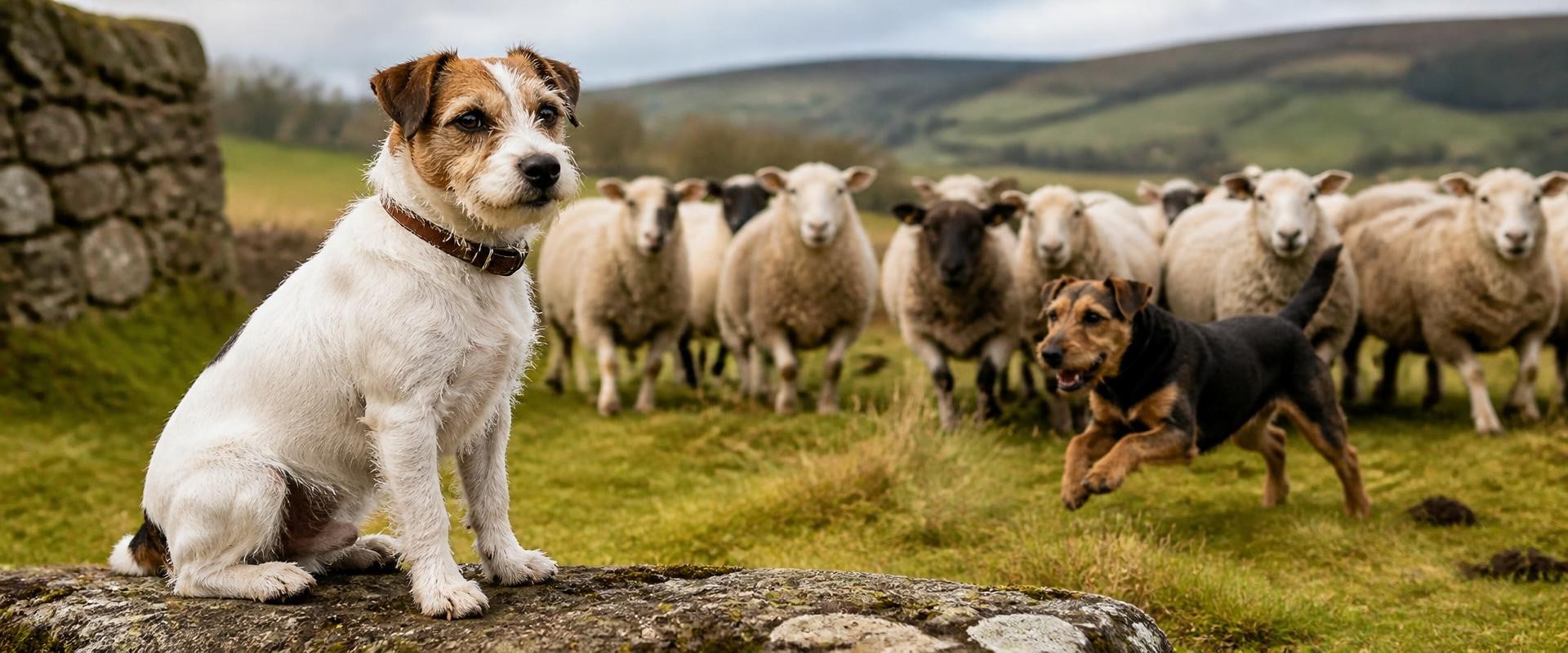
and companion terriers represent two distinct yet equally fascinating categories within this group. While both types share a common ancestry and exhibit the characteristic feistiness of terriers, their purposes diverge significantly, highlighting the adaptability of these remarkable dogs. Understanding the differences between working and companion terriers not only deepens our appreciation for these breeds but also aids potential owners in making informed decisions about which type may best fit their lifestyle.Are you drawn to the rugged resilience of a working terrier, bred for tasks like hunting vermin and herding livestock? Or do you find yourself enchanted by the affectionate nature of companion terriers, designed to be loving family pets and devoted companions?In this article, we will embark on a comprehensive exploration of the distinct roles of working versus companion terriers. We will delve into their histories, traits, and temperaments, unraveling the intricacies that define each type. Join us as we uncover what makes these terrier breeds uniquely suited for their respective purposes, offering insights that will resonate with dog lovers and prospective pet owners alike. Terriers are a diverse group of dog breeds that have been historically recognized for their distinct roles, primarily categorized into working terriers and companion terriers. Understanding these roles is essential for potential dog owners, as each type offers unique characteristics and requirements that cater to different lifestyles.
Working terriers
have a rich history rooted in their ability to assist humans in various labor-intensive tasks.These breeds were initially developed for their skills in hunting vermin and guarding properties, showcasing a robust set of physical traits that enhance their working capabilities. Common breeds such as the Airedale Terrier and Bull Terrier exemplify these characteristics. The Airedale, known as the largest of the terriers, possesses a strong, agile build and a wiry coat, making it well-suited for outdoor activities and rough terrains. In contrast, the Bull Terrier, with its muscular frame and unique egg-shaped head, is known for its strength and determination. The temperament of working terriers is often marked by high energy levels, intelligence, and a strong drive to perform tasks.
They thrive on physical activity and mental challenges, making them excellent companions for active individuals or families. Their suitability for specific tasks like hunting or guarding is evident in their instinctual behaviors; for example, many working terriers exhibit an innate ability to track scents or protect their home environment. However, their high energy can lead to behavioral issues if not properly channeled through consistent training and ample exercise. In contrast, companion terriers, such as the Yorkshire Terrier and Boston Terrier, are bred primarily for companionship and family integration. These breeds have developed into beloved family pets, known for their affectionate nature and adaptability to home life.
The Yorkshire Terrier, small in size but large in personality, is renowned for its lively demeanor and loyalty to its owners. The Boston Terrier, often referred to as the "American Gentleman," is characterized by its friendly disposition and ease of training. The temperament of companion terriers leans towards being more sociable and less demanding in terms of exercise compared to their working counterparts. They typically require moderate daily walks and enjoy interactive playtime with family members. This makes them suitable for families living in apartments or homes with limited outdoor space.
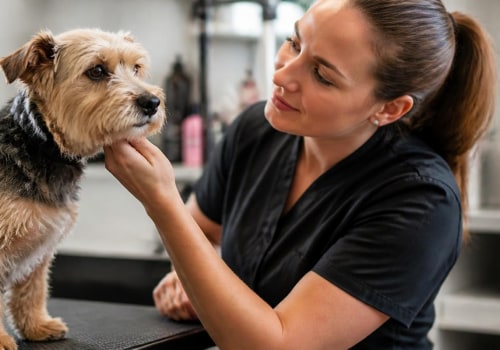
Their friendly nature means they often get along well with children and other pets, further enhancing their appeal as family companions. Caring for working terriers involves meeting their higher exercise needs and engaging them in activities that stimulate both their physical and mental capabilities. Regular training sessions utilizing positive reinforcement techniques can help channel their energy productively. Additionally, grooming requirements vary by breed; Airedales may require more frequent grooming due to their wiry coats, while Bull Terriers have shorter fur that requires less maintenance but still benefits from regular brushing. On the other hand, companion terriers generally have lower grooming needs, though breeds like the Yorkshire Terrier may require regular grooming to prevent matting of their long hair. Health tips for both types include routine veterinary check-ups and vaccinations.
It's essential to monitor their diet closely; working terriers may need higher protein intake due to their active lifestyles, while companion terriers should be watched closely for obesity due to lower activity levels. Socialization practices are crucial for both categories of terriers. Working terriers benefit greatly from exposure to various environments and experiences from an early age to ensure they develop into well-rounded adults capable of handling different situations confidently. Companion terriers also need socialization but focus more on interacting with people and other animals to reinforce their friendly nature. Recent events in the world of terriers include various dog shows celebrating these breeds' unique characteristics and capabilities. For instance, competitions highlighting working breeds showcase their agility and obedience skills, while companion breed events emphasize temperament and appearance standards.
Breed-specific rescues continue to advocate for both types, helping find forever homes for terriers needing adoption. Ultimately, potential dog owners may find themselves debating whether a working terrier or a companion terrier is better suited for their lifestyle. It often depends on individual preferences regarding activity levels, living situations, and personal commitment to training and care. Both types have unique attributes that make them wonderful companions; understanding these differences can lead to informed decisions when welcoming a new furry friend into one's home.
Recent News and Events
In recent months, the world of terriers has been vibrant with various events and initiatives that highlight both working and companion terriers. One notable event is the annual Terrier Show, which showcases the versatility and skills of different terrier breeds.This event not only celebrates their unique characteristics but also raises awareness about the importance of proper training and socialization for both working and companion roles. Additionally, there have been significant developments in rescue initiatives aimed at helping terriers in need. Organizations dedicated to rehoming abandoned or neglected terriers have reported an increase in successful adoptions. These initiatives often focus on educating potential owners about the distinct needs of working versus companion terriers, ensuring that each dog finds a suitable home that matches its temperament and abilities. On the health front, recent studies have shed light on common health issues affecting terrier breeds. Veterinarians and breed organizations are collaborating to improve breed health standards and promote responsible breeding practices.
Awareness campaigns are being launched to inform current and prospective terrier owners about genetic predispositions and preventive care, ensuring that both working and companion terriers lead healthy, fulfilling lives.
Understanding Working Terriers
Working terriers have a rich history that dates back several centuries. Originally bred for their ability to hunt vermin and assist in agricultural settings, these dogs were crucial to the livelihoods of many families. Their tenacity and determination made them invaluable companions on farms and in hunting scenarios. Common breeds classified as working terriers include the Airedale Terrier, Border Terrier, and Bull Terrier, among others. These breeds are characterized by their strong build, high energy levels, and intelligence.They possess a strong prey drive and are often fearless, making them excellent at their original tasks of hunting and pest control. In terms of care, working terriers require regular physical and mental stimulation to thrive. Engaging them in activities such as agility training, obedience exercises, or even scent work can help channel their energy positively. It is essential to provide them with plenty of opportunities for exercise and socialization to prevent behavioral issues from arising due to boredom or excess energy. Moreover, proper nutrition tailored to their activity level is crucial for maintaining their health and vitality. Regular veterinary check-ups and vaccinations are also important to ensure that these active dogs remain healthy throughout their lives. Understanding the unique traits and needs of working terriers can significantly enhance the experience of potential owners, ensuring that they provide an environment conducive to the well-being of these hardworking dogs.
Comparative Analysis of Both Types
When considering working terriers and companion terriers, it is essential to understand their distinct roles and characteristics.Working terriers are primarily bred for tasks such as hunting, herding, and guarding. They often display a high level of energy, intelligence, and independence, making them suitable for active owners who can provide ample exercise and mental stimulation. Their training needs are typically more demanding, requiring consistent reinforcement and the ability to channel their strong instincts into productive activities. In contrast, companion terriers have been selectively bred to be affectionate and social, focusing on companionship rather than work. These breeds tend to be more adaptable to various lifestyles, making them suitable for families, singles, or seniors.
Their training needs may be less intensive compared to working terriers; however, they still require basic obedience training to ensure good behavior. The temperament of each type also varies significantly. While working terriers often exhibit traits such as assertiveness and a strong prey drive, companion terriers generally display more sociable and friendly characteristics. This difference can affect their interactions with other pets and people, highlighting the importance of choosing the right type based on one's lifestyle. Ultimately, understanding these differences in temperament, training needs, and lifestyle suitability can guide potential owners in making informed decisions when selecting a terrier breed. Each type brings unique qualities that cater to different preferences and living situations.
The Role of Companion Terriers
Companion terriers are beloved for their affectionate nature, playful demeanor, and ability to bond closely with families.These breeds were primarily developed to provide companionship, making them ideal pets for households with children and other animals. One of the standout characteristics of companion terriers is their friendly disposition. Breeds such as the Jack Russell Terrier, West Highland White Terrier, and Boston Terrier are known for their playful energy and sociability. They thrive on human interaction and often form strong attachments to their owners. This loyalty makes them not only great family pets but also wonderful companions for individuals. Caring for companion terriers involves understanding their unique needs.
Regular exercise is essential, as these breeds are typically energetic and require daily physical activity to stay healthy and happy. Engaging in activities such as walks, playtime in the yard, or interactive games can help meet their exercise requirements while strengthening the bond between pet and owner. Additionally, grooming needs can vary among different breeds of companion terriers. Some may have short coats that require minimal maintenance, while others might need regular brushing to keep their fur healthy and free from mats. It’s important for potential owners to research the grooming requirements specific to the breed they are interested in. Socialization is another critical aspect of raising a companion terrier.
Early exposure to various environments, people, and other pets can help develop a well-rounded and confident dog. Training should be positive and consistent, as these breeds respond well to reinforcement techniques. In conclusion, companion terriers are an excellent choice for families looking for a loving and lively addition to their household. Their affectionate nature, coupled with proper care and socialization, ensures they will thrive as cherished family members. In summary, the key differences between working terriers and companion terriers lie in their roles, temperaments, and suitability for various lifestyles. Working terriers are bred for specific tasks, showcasing traits such as energy, intelligence, and a strong drive for work, making them ideal for active owners who can engage them physically and mentally.
In contrast, companion terriers are typically more adaptable and affectionate, thriving in home environments where they can provide emotional support and companionship. Choosing the right type of terrier is crucial for ensuring a harmonious relationship between the dog and its owner. Potential owners should consider their activity levels, living situations, and what they seek in a pet to make an informed decision. We encourage readers to connect with local breed clubs or online communities to gain further insights, share experiences, and receive support in their journey of selecting the perfect terrier.