For life with terriers.
Effective Positive Reinforcement Techniques for Terrier Training
Explore positive reinforcement methods tailored for terriers, covering training techniques, care advice, and insights into their behavior and characteristics.

Training a terrier can be a delightful yet challenging experience. These energetic and intelligent dogs often possess a strong will, making them both charming companions and spirited challengers in the training arena. To unlock their full potential and cultivate desirable behaviors, positive reinforcement methods, along with healthy pet recipes, stand out as some of the most effective strategies available to dog owners and trainers alike. In this article, we will delve into the world of Training a terrier can be a delightful yet challenging experience. These energetic and intelligent dogs often possess a strong will, making them both charming companions and spirited challengers in the training arena. To unlock their full potential and cultivate desirable behaviors, positive reinforcement methods, along with healthy pet recipes, stand out as some of the most effective strategies available to dog owners and trainers alike. In this article, we will delve into the world of methods, along with healthy pet recipes, stand out as some of the most effective strategies available to dog owners and trainers alike. In this article, we will delve into the world of Training a terrier can be a delightful yet challenging experience. These energetic and intelligent dogs often possess a strong will, making them both charming companions and spirited challengers in the training arena. To unlock their full potential and cultivate desirable behaviors, positive reinforcement methods, along with healthy pet recipes, stand out as some of the most effective strategies available to dog owners and trainers alike. In this article, we will delve into the world of effective positive reinforcement techniques tailored specifically for terriers. Whether you're a seasoned trainer or a new terrier owner, understanding the principles behind positive reinforcement can transform your training sessions into enjoyable interactions that strengthen the bond between you and your furry friend. As we explore various techniques, you'll discover how rewarding good behavior with treats, praise, and play can lead to more enthusiastic learning and a happier, well-adjusted pet.
From puppyhood to adulthood, applying these methods will not only enhance your terrier's skills but also foster a trusting relationship built on mutual respect and understanding. Join us as we guide you through practical tips and insights on utilizing positive reinforcement methods effectively in terrier training. Together, we will embark on a journey that promises to be both informative and enjoyable, ensuring that your training experience is nothing short of rewarding. effectively in terrier training. Together, we will embark on a journey that promises to be both informative and enjoyable, ensuring that your training experience is nothing short of rewarding.
Positive reinforcement methods
are an essential aspect of effective dog training, particularly when it comes to breeds like terriers. These methods focus on rewarding desired behaviors rather than punishing undesired ones, which can lead to a more positive training experience for both the dog and the owner. The core principle behind positive reinforcement is simple: when a behavior is followed by a reward, the likelihood of that behavior being repeated increases.For terriers, known for their intelligence and high energy levels, this approach can be particularly effective. In practical terms, positive reinforcement techniques can include a variety of rewards such as treats, verbal praise, and playtime. For instance, if you are teaching your terrier to sit, you might offer a small treat immediately after they comply. This immediate gratification reinforces the action and encourages them to repeat it in the future. Similarly, enthusiastic praise—like saying "Good boy!" in an excited tone—can motivate your terrier to perform the desired behavior again.
Additionally, incorporating play as a reward can be particularly beneficial; terriers are often playful and energetic, so engaging them in a quick game of fetch after they obey a command can further solidify their learning. When implementing positive reinforcement methods, it's important to identify which behaviors you want to reinforce. Common behaviors that should be targeted include obedience commands like sit, stay, and come, as well as socialization skills with other dogs and appropriate play behaviors. For example, if your terrier interacts politely with another dog at the park, rewarding them with praise or a treat can help encourage that friendly behavior in future encounters. Despite the effectiveness of positive reinforcement, terrier owners may face certain challenges, such as their breed's notorious stubbornness and high energy levels. A terrier may become easily distracted or lose interest quickly during training sessions.
To overcome these issues, it's crucial to keep training sessions short and engaging. Incorporating plenty of variety into the training routine can help maintain their attention. For instance, alternating between different commands or incorporating fun games can keep a terrier engaged and eager to learn. Consistency is another vital element in using positive reinforcement methods. Ensuring that all family members use the same commands and rewards will help avoid confusion for your dog.
Additionally, patience is key; some behaviors may take time to solidify, especially in a breed known for its spirited nature like terriers. Remember that training is a gradual process, and celebrating small victories can make it more enjoyable for both you and your dog. The principles of positive reinforcement can also extend beyond basic obedience training into areas like grooming and healthcare routines. For many dogs, including terriers, grooming can be an anxiety-inducing experience. By using treats and praise during grooming sessions—rewarding your dog for remaining calm or allowing you to handle their paws—you can create a more relaxed atmosphere.
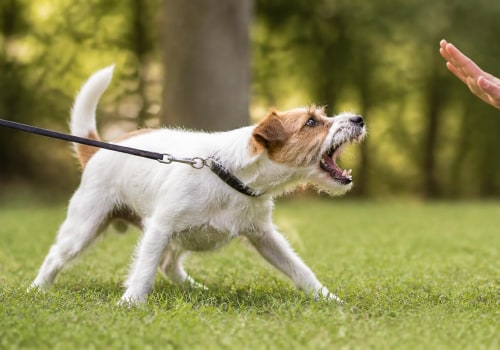
This not only helps in managing their grooming anxiety but also strengthens the bond between you and your dog. Anecdotal evidence from terrier owners highlights the success of positive reinforcement techniques. For example, one owner shared how they transformed their overly excited terrier into a well-behaved companion by consistently rewarding calm behavior during walks. Initially, their dog would pull on the leash at every sight of another dog or person. By using treats to reward their terrier for walking calmly beside them, they gradually reduced the pulling behavior.
Over time, this approach led to a more enjoyable walking experience for both the owner and their dog. In summary, positive reinforcement methods provide an effective framework for training terriers. By understanding how rewards influence behavior and applying these techniques consistently and patiently, owners can foster not only good habits but also a strong bond with their furry companions. Whether it's teaching commands or making grooming a positive experience, these methods prove invaluable in raising happy and well-adjusted terriers.
Understanding Terrier Behavior
Terriers are a unique group of dog breeds known for their intelligence, high energy levels, and distinct personalities. These innate traits significantly influence their behavior and training approaches. One of the most notable characteristics of terriers is their intelligence.They are quick learners, often picking up commands and tricks with remarkable speed. This intelligence can be a double-edged sword; while it allows for effective training, it also means that terriers can become bored easily if the training lacks variety and stimulation. Engaging them with positive reinforcement methods can harness their cleverness, making training sessions both enjoyable and productive. In addition to their intelligence, terriers possess high energy levels. They thrive on physical and mental activity, requiring ample exercise to keep them happy and healthy.
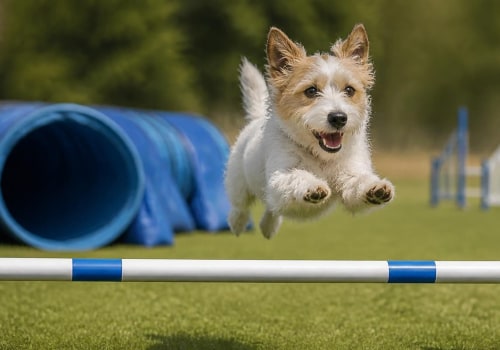
When training terriers, it is essential to incorporate activities that cater to their need for movement. This can include interactive games, agility training, or even simple fetch sessions that allow them to expend some of that pent-up energy. Another important aspect of terrier behavior is their tendency towards independence. Many terriers have strong personalities and may exhibit stubbornness during training. This independence can sometimes lead them to make choices based on their instincts rather than following commands.
Therefore, using positive reinforcement methods is crucial, as it encourages desirable behaviors without diminishing their spirited nature. Understanding these innate traits—intelligence, high energy levels, and independence—is vital for effective training. By recognizing and accommodating these characteristics, owners can develop a training plan that not only teaches commands but also strengthens the bond between them and their terrier.
Incorporating Positive Reinforcement into Daily Life
Incorporating positive reinforcement methods into your terrier's daily life extends far beyond the confines of formal training sessions. This approach can enhance your dog's overall well-being and strengthen the bond you share. By recognizing and rewarding desired behaviors in everyday situations, you create a positive environment that fosters learning and trust. One effective way to apply positive reinforcement is during grooming sessions.Terriers, with their energetic and sometimes stubborn nature, may not always enjoy being groomed. To make this experience more pleasant, start by introducing grooming tools gradually. Use treats or verbal praise to reward your terrier for staying calm and allowing you to brush their coat or check their ears. This not only helps them associate grooming with positive experiences but also ensures that they are more cooperative in the future. Health care routines, such as vet visits or administering medication, can also benefit from positive reinforcement techniques.
Prepare your terrier for these situations by using treats to reward them for entering the car or the vet's office calmly. If your dog needs to take medication, consider hiding it in a small amount of food they love. Praise them afterward to reinforce the idea that taking their medicine leads to something enjoyable. Additionally, simple daily interactions provide opportunities for positive reinforcement. When your terrier exhibits good behavior, such as sitting quietly or coming when called, offer immediate praise or a small treat.
This reinforces their good behavior and encourages them to repeat it. Remember that consistency is key; by incorporating positive reinforcement methods into various aspects of your terrier's life, you can create a well-adjusted and happy companion.
Common Challenges and Solutions
Training terriers using positive reinforcement methods can be incredibly effective, but it’s not without its challenges. Understanding these common issues and implementing actionable solutions can make the training process smoother and more enjoyable for both the owner and the dog. One typical challenge is distraction. Terriers are known for their high energy levels and curious nature, which can lead to them becoming easily distracted during training sessions.To combat this, owners should choose a quiet training environment free of distractions. Gradually introduce distractions during training sessions as the dog becomes more focused, rewarding them for maintaining attention. Another common issue is inconsistent rewards. If a terrier does not receive consistent reinforcement for desired behaviors, they may become confused about what actions are expected. To resolve this, owners should establish clear criteria for rewards and ensure they are consistent.
Using a variety of rewards, such as treats, praise, or playtime, can help maintain the dog's interest and motivation. Terriers may also exhibit stubbornness, especially if they sense that their owner is unsure. In such cases, it’s crucial for owners to remain confident and assertive. Setting clear boundaries and expectations while using positive reinforcement can help overcome this behavior. Additionally, breaking down commands into smaller steps and rewarding incremental progress can lead to greater success. Finally, some terrier owners may struggle with over-excitement, where the dog becomes too enthusiastic during training sessions.
This can make it difficult to focus on learning. To manage this, owners should start sessions in a calm setting and gradually build excitement through play and rewards once the dog demonstrates desired behaviors. Incorporating short breaks during training can also help regulate energy levels. By recognizing these common challenges and implementing targeted solutions, terrier owners can enhance their use of positive reinforcement methods, leading to effective training experiences that strengthen the bond between them and their dogs.
Implementing Positive Reinforcement
Implementing positive reinforcement techniques in your training sessions with terriers can significantly enhance their learning experience. Here’s a step-by-step guide to effectively use these methods:Step 1: Choose the Right Rewards - Identify what motivates your terrier the most.This could be treats, praise, playtime, or toys. Tailoring the reward to your dog's preferences is crucial for effective training.
Step 2: Timing is Key
- Deliver rewards immediately after your terrier performs the desired behavior. This helps them make a clear connection between their action and the reward. For example, if you want your terrier to sit, reward them right after they sit down.Step 3: Use a Marker Word
- Incorporate a marker word or clicker as soon as the desired behavior occurs.This serves as an audible cue that signals to your dog they’ve done something right and a reward is coming. Make sure to use it consistently.
Step 4: Start with Simple Commands
- Begin training with basic commands like 'sit', 'stay', or 'come'. Once your terrier masters these, gradually introduce more complex commands. Always reinforce positive actions with rewards.Step 5: Be Consistent
- Consistency is vital in training.Ensure that everyone in the household uses the same commands and rewards to avoid confusion for your terrier.
Step 6: Gradually Fade Rewards
- Once your terrier reliably responds to commands, start reducing the frequency of treats but continue using praise and affection. This helps maintain their motivation without making them dependent on food rewards.Step 7: Keep Training Sessions Short and Fun
- Terriers are energetic and can lose focus quickly. Aim for short, engaging sessions of about 5-10 minutes, followed by playtime or a walk to keep their enthusiasm high. By following these steps and effectively timing your rewards, you can create an enjoyable and productive training environment for both you and your terrier, enhancing the bond between you and ensuring a well-trained companion. In conclusion, employing positive reinforcement methods in training terriers offers numerous benefits, not only enhancing their learning but also fostering a deeper connection between the owner and their pet. These techniques cater to the unique traits of terriers, such as their intelligence and high energy levels, making them particularly effective in shaping desired behaviors. By embracing these methods, you pave the way for a more harmonious relationship with your dog, transforming training sessions into enjoyable experiences for both of you.Remember, each dog is an individual with its own personality, so it may take some experimentation to discover the most effective rewards that resonate with your terrier. As you continue to implement positive reinforcement in your daily interactions, you'll likely notice not only improved behavior but also a stronger bond built on trust and mutual respect.