For life with terriers.
Essential Techniques for Managing Shedding in Terriers
Explore effective shedding control techniques specifically designed for terrier breeds, including grooming tips, health advice, and more.
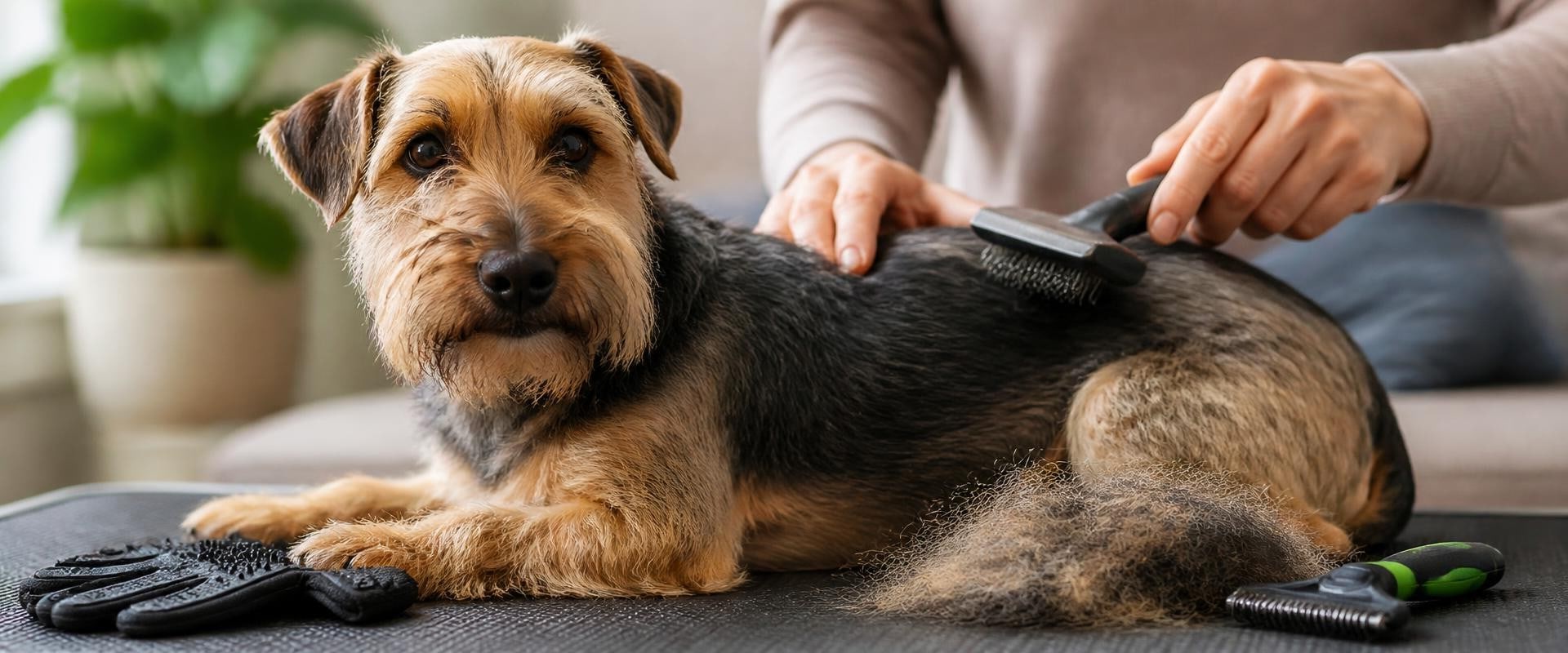
As a proud terrier owner, you know that these spirited little dogs bring joy and energy into our lives. However, with their lively personalities comes the challenge of shedding. Whether you're enjoying a cozy evening at home or hosting friends, loose fur can quickly become an unwelcome guest. But fear not! In this article, we will explore essential techniques for managing shedding in terriers, equipping you with the knowledge and tools to keep your home fur-free while ensuring your furry friend looks their best. Shedding is a natural process for dogs, particularly for breeds like terriers known for their unique coats.
Understanding the various factors that contribute to shedding is crucial in developing effective shedding control methods. From seasonal changes to diet and grooming practices, there are numerous ways to minimize the amount of hair your terrier leaves behind. In this comprehensive guide, we will delve into practical tips and grooming techniques tailored specifically for terriers. By implementing these strategies, you can not only reduce shedding but also promote a healthy coat and skin for your beloved companion. So, let’s embark on this journey toward a cleaner home and a happier, healthier terrier!Shedding is a common concern for terrier owners, and understanding how to manage it effectively can enhance the bond between you and your furry friend.
Terriers, known for their distinctive coat characteristics, exhibit varying shedding patterns depending on their breed. For example, breeds like the Yorkshire Terrier have a silky coat that sheds minimally, while the Scottish Terrier has a wiry coat that requires more attention to control shedding. By recognizing these differences, owners can tailor their grooming routines to better suit their pet's needs. One of the key methods for controlling shedding in terriers is establishing a consistent grooming routine. Regular brushing is essential, with frequency depending on the coat type.
For terriers with a wiry coat, such as the Border Terrier, brushing should occur at least two to three times a week using a slicker brush and a comb to remove loose hairs and prevent matting. On the other hand, smooth-coated terriers like the Fox Terrier benefit from less frequent brushing—once a week with a rubber curry brush to help remove dead hair while also stimulating the skin. The importance of regular baths cannot be overstated when it comes to managing shedding. Bathing your terrier every month or so helps remove dead hair and dander. However, it’s crucial to select the right shampoo that is gentle on your dog's skin and coat.
Look for products that are specifically formulated for dogs and consider those with natural ingredients to avoid irritation. Some owners have found that using oatmeal-based shampoos works wonders in soothing their dog’s skin while also promoting a healthy coat. Nutritional health plays a significant role in maintaining a healthy coat, which directly influences shedding. Feeding your terrier high-quality dog food rich in omega fatty acids can help improve skin condition and reduce excessive shedding. Supplements like fish oil or flaxseed oil can also be beneficial in promoting a shiny coat and reducing hair loss.
It's worth noting that some health issues, such as allergies or hormonal imbalances, can exacerbate shedding. Regular veterinary check-ups are essential to rule out any underlying medical concerns that might affect your pet's coat health. Seasonal shedding patterns are another aspect of shedding management that terrier owners should be aware of. Many terriers will shed more heavily in spring and fall as they transition between their winter and summer coats. Preparing for these seasonal changes can involve increasing brushing frequency during these times to manage the extra fur effectively.
Some owners find it helpful to have an extra vacuum cleaner or lint rollers on hand during peak shedding seasons. There are also several misconceptions about shedding that can mislead terrier enthusiasts. One common myth is that all dogs shed equally; however, this is far from true. Terriers have unique coat structures that require specific care routines. Another misconception is that shaving or clipping your terrier will reduce shedding; in fact, this can often lead to more problems by disrupting their natural coat growth cycle. Anecdotes from fellow terrier owners serve as valuable lessons in managing shedding.
For instance, one owner shared how implementing a strict grooming schedule transformed her West Highland White Terrier's coat appearance and reduced shedding significantly, allowing them to enjoy cuddles without the worry of fur everywhere. Another owner noted that switching her dog’s diet to a premium brand resulted in not only less shedding but also improved energy levels and overall health. In summary, controlling shedding in terriers involves a multifaceted approach that includes appropriate grooming techniques, proper bathing practices, nutritional support, and awareness of health factors. By understanding their pet's unique needs and debunking common myths, terrier owners can create an effective shedding management plan that fosters a happy, healthy relationship with their beloved companions.
Connecting with Other Terrier Owners
Engaging with the terrier community can be an invaluable resource for owners dealing with shedding issues. By connecting with other terrier enthusiasts, you can share experiences, tips, and techniques for managing shedding control methods.These interactions not only provide practical advice but also foster a sense of camaraderie among terrier owners who understand the unique challenges posed by their pets’ coats. Online forums, social media groups, and local meet-ups are excellent platforms to exchange insights about specific shedding control methods that work best for different breeds. For instance, while some terrier owners might swear by regular grooming routines, others may have discovered that certain dietary adjustments can significantly reduce shedding. By sharing these personal anecdotes, you can find what resonates best with your own terrier. Additionally, connecting with fellow terrier owners offers emotional support during challenging shedding seasons. It’s comforting to know that you’re not alone in this journey and that others have faced similar situations.
Engaging in discussions can also lead to discovering new grooming products or techniques that have yielded positive results for others in the community. In essence, building relationships with other terrier owners not only enhances your knowledge of shedding control methods but also deepens your bond with your pet through shared experiences and mutual support.
Seasonal Shedding: What to Expect
Seasonal shedding is a natural phenomenon that many terrier owners encounter, particularly during the spring and fall months. As the weather changes, terriers will often shed their undercoats to adapt to the fluctuating temperatures. For breeds such as the Jack Russell Terrier and Airedale Terrier, this shedding can be more pronounced due to their unique coat structures. During these peak shedding periods, it’s essential for owners to be prepared. Regular grooming sessions can help manage the amount of loose hair in your home.Using a quality de-shedding tool or brush specifically designed for terriers can make a significant difference, effectively removing dead hair before it has a chance to scatter throughout your living space. Additionally, maintaining a healthy diet can impact shedding. A well-balanced diet rich in omega fatty acids can promote a healthier coat and potentially reduce excessive shedding. It’s also beneficial to consult with a veterinarian about any seasonal shedding concerns, as they can provide tailored advice based on your terrier's specific breed and needs. Understanding the cycles of seasonal shedding in terriers not only aids in keeping your home cleaner but also strengthens the bond between you and your pet through regular grooming routines. By staying proactive during these peak times, terrier owners can ensure their furry companions remain comfortable and happy throughout the changing seasons.
Health Considerations
Shedding control methods in terriers are not solely reliant on grooming techniques; they also significantly depend on the dog's diet and overall health.A well-balanced diet plays a crucial role in maintaining the health of a terrier's coat, which in turn can influence shedding patterns. Owners should ensure that their terrier's diet includes high-quality proteins, essential fatty acids, vitamins, and minerals to support healthy skin and fur. For instance, omega-3 and omega-6 fatty acids are vital for promoting a shiny and healthy coat. These nutrients can reduce inflammation and skin irritations that may lead to increased shedding. Terriers that are fed a balanced diet rich in these essential fatty acids often exhibit less shedding compared to those with a poor diet. Moreover, it is important for owners to monitor their terrier's overall health.
Conditions such as allergies, skin infections, or hormonal imbalances can lead to excessive shedding. Regular veterinary check-ups and prompt attention to any signs of discomfort can help in early detection of these issues. Owners should also look out for changes in their pet's behavior or coat quality, as these can be indicators of underlying health problems. In summary, maintaining a nutritious diet along with regular health monitoring is key for terrier owners who wish to manage shedding effectively. By understanding the link between a terrier's health and shedding, owners can implement shedding control methods that not only enhance their pet’s appearance but also contribute to their overall well-being.
Effective Grooming Techniques
Grooming is a vital aspect of caring for terriers, especially when it comes to managing shedding.Each terrier breed has unique coat characteristics that require specific tools and techniques to maintain their health and appearance.
Regular grooming
not only reduces shedding but also strengthens the bond between you and your pet. For Wirehaired Terriers, such as the Airedale or Scottish Terrier, a slicker brush and a comb are essential tools. The slicker brush helps remove loose hair and debris, while the comb ensures that the undercoat is free of tangles. Regular grooming sessions every 2-4 weeks can help manage their shedding effectively. For Soft-Coated Wheaten Terriers, a pin brush is recommended to maintain their soft, flowing coat.This breed benefits from grooming at least once a week to prevent matting. Additionally, a grooming glove can be used during brushing sessions to remove loose fur while providing a soothing massage.
Short-Haired Terriers
, like the Bull Terrier or Boston Terrier, require less intensive grooming but still benefit from regular attention. A rubber curry brush is perfect for these breeds, as it effectively removes dead hair and stimulates the skin without being harsh. Weekly brushing is typically sufficient to keep their coat healthy. Overall, investing time in proper grooming techniques tailored to each terrier breed can significantly minimize shedding and enhance your dog's overall well-being.Remember, consistency is key, and creating a routine will make grooming an enjoyable experience for both you and your furry friend.
Understanding Terrier Coat Types
Terriers are a diverse group of dog breeds, each with unique coat characteristics that greatly influence their shedding patterns. Understanding these different coat types can help owners manage shedding more effectively and improve their grooming routines. One common coat type among terriers is the wire-haired coat. Breeds like the Airedale Terrier and the Scottish Terrier possess this type of coat, which features a coarse, wiry texture. Wire-haired coats tend to shed less frequently than smoother coats, but they do require regular grooming to remove dead hair and prevent matting. Another prevalent coat type is the smooth coat, found in breeds such as the Fox Terrier and the Bull Terrier.Smooth coats are typically short and dense, which can lead to more visible shedding. Regular brushing can help manage this shedding and keep the dog’s skin healthy. Some terriers, such as the West Highland White Terrier, have a soft undercoat along with their outer coat. This combination can lead to seasonal shedding, particularly during warmer months when they may lose their undercoat to adapt to the temperature. Owners should be aware of this pattern and adjust their grooming practices accordingly. Finally, there are terriers with a curly coat, like the Bedlington Terrier.
These dogs shed very little, but their curly fur requires consistent maintenance to prevent tangles and mats. Understanding the specific needs of each coat type is essential for effective grooming and reducing shedding. In summary, recognizing the different types of terrier coats—whether they are wire-haired, smooth, soft undercoated, or curly—can significantly affect how owners approach shedding management. Tailoring grooming techniques to suit each specific coat type will not only help in controlling shedding but also enhance the bond between owner and pet. In conclusion, understanding the unique coat characteristics of terriers and implementing effective grooming techniques are crucial steps in managing shedding. As we've discussed, proper care not only minimizes shedding but also promotes a healthier coat and a stronger bond between you and your pet.
By paying attention to health considerations and being aware of seasonal shedding patterns, you can be better prepared to handle the challenges that come with owning a terrier. We encourage you to adopt these techniques and share your experiences with fellow terrier lovers, as this exchange fosters a sense of community among dog owners who are dedicated to the well-being of their pets.