For life with terriers.
Creative Trick Training Ideas for Terriers
Explore innovative trick training techniques tailored for terrier breeds, covering care tips, health advice, and insights into their unique characteristics.
Are you ready to take your terrier training to the next level? If you think that training your furry friend is all about basic commands like 'sit' and 'stay', think again! In this article, we will explore some creative trick training ideas that not only challenge your terrier's intelligence but also strengthen the bond between you and your pet. Terriers are known for their energetic personalities and sharp minds, making them the perfect candidates for advanced training techniques. Whether you're a seasoned trainer or a proud new owner, there’s always room for fun and creativity in your training sessions. Imagine impressing your friends with a dog that can roll over, play dead, or even fetch specific items by name! These tricks not only showcase your terrier's abilities but also provide mental stimulation that is crucial for their well-being. Training should be an enjoyable experience for both you and your dog, and the tricks we'll discuss are perfect for adding variety to your routine.
So grab some treats, get ready to have some fun, and let’s dive into these trick training ideas that will leave both you and your terrier eager for more!Terriers are known for their energetic and intelligent nature, making them exceptional candidates for trick training. Not only does trick training provide much-needed mental stimulation, but it also allows owners to strengthen the bond with their furry companions. Engaging in training sessions can help channel the high energy levels of terriers into productive activities, enriching their lives and improving their behavior. To start, basic commands such as sit, stay, and come form the foundation of a terrier's training. Teaching sit is quite straightforward.
Begin by holding a treat above your terrier's nose and slowly moving it back over their head. As they look up, their bottom will naturally lower to the ground. As soon as they sit, reward them with the treat and praise. The stay command can be taught once your terrier has mastered sit.
With your dog in the sitting position, open your palm in front of them and say 'stay.' Take a few steps back, and if they remain in place, reward them. Gradually increase the distance and duration before giving the reward. After mastering these basics, you can introduce fun tricks like roll over, play dead, and high five. To teach roll over, start with your dog in the down position. Use a treat to encourage them to roll onto their side, then reward them.
Repeat this process until they complete a full roll. For play dead, use a similar approach: have your terrier in the down position, then gently guide them onto their side while saying 'bang' or 'play dead.' Reward them when they lie still. The high five trick is great for engaging with your terrier; hold a treat in your hand and encourage them to lift their paw to touch your hand. Praise and reward them when they succeed. As you progress to advanced skills like fetching specific items or agility training, remember that terriers love challenges.
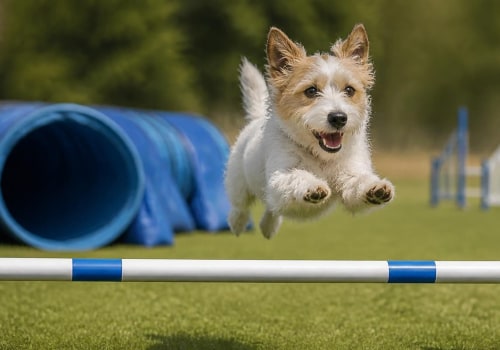
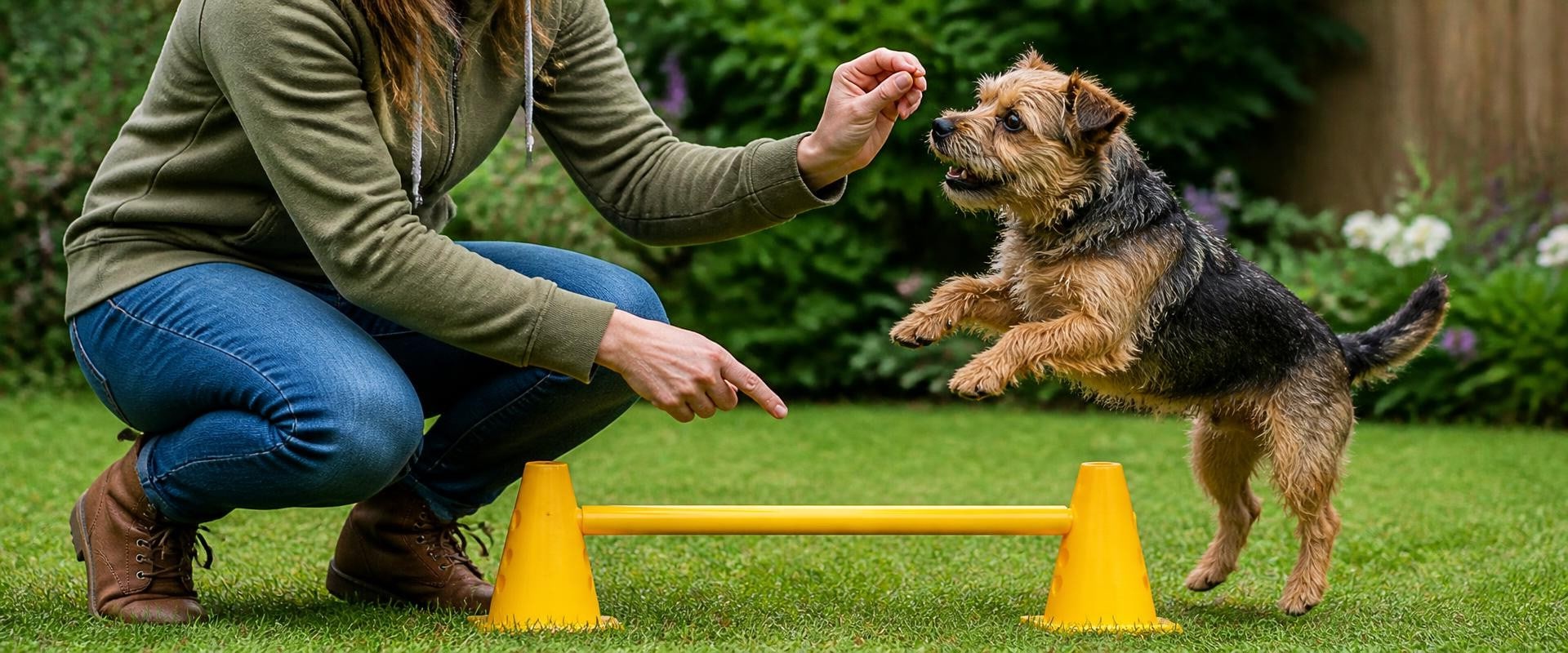
To teach fetching specific items, start by showing your dog a toy or item you want them to retrieve. Use a command like 'fetch' and throw the item a short distance. When they bring it back, reward them with treats or praise. For agility training, set up a simple course using cones or tunnels.
Encourage your terrier to navigate through the course using positive reinforcement techniques. The effectiveness of trick training lies in short, engaging sessions that maintain your terrier's interest. Aim for 5-10 minute sessions spread throughout the day rather than long hours that may lead to frustration for both you and your dog. Incorporating training into daily routines can make it easier; for example, practice commands during walks or while playing in the yard. Pitfalls such as stubbornness or high energy levels may arise during training sessions. If your terrier becomes overly excited or distracted, take a break and allow them to calm down before resuming.
Another common challenge is maintaining focus; if your dog seems uninterested, try changing the environment or using higher-value treats to reignite their interest. Anecdotes from experienced terrier owners often highlight the joy and success of trick training. One owner recounted how their Jack Russell Terrier transformed from a hyperactive ball of energy into a well-behaved companion through consistent trick training sessions that included agility courses and fun tricks like spin and bark on command. Another owner shared how teaching their Boston Terrier simple commands helped reduce anxiety during outings, as their dog felt more secure knowing what was expected. The journey of trick training is not just about teaching commands but also creating memorable experiences with your terrier. By exploring innovative ideas tailored for these spirited dogs, owners can enjoy fulfilling relationships while providing essential mental stimulation and physical activity that benefits both pet and owner.
Troubleshooting Common Training Issues
Training terriers can come with its unique set of challenges due to their energetic and sometimes stubborn nature.Distraction management is often a primary hurdle when working with these intelligent dogs. Terriers are naturally curious and can easily lose focus on the task at hand, especially in stimulating environments. To combat this, try training in a quiet space free from distractions initially. Gradually introduce distractions as your terrier becomes more proficient at the tricks.
Use high-value treats or toys to redirect their attention back to you whenever they seem distracted. Another common issue is maintaining motivation. While terriers are generally enthusiastic learners, they can become bored if the training is repetitive or lacks excitement. To keep your terrier engaged, incorporate a variety of tricks into your sessions, and vary the rewards. Instead of just treats, consider using playtime or favorite toys as a reward for completing a trick.
Additionally, keep training sessions short and fun—aim for 5 to 10 minutes to prevent burnout. If your terrier appears to be disinterested or resistant, reassess your approach. Sometimes, a lack of motivation can stem from frustration due to difficulty levels being too high. Ensure that the tricks you are teaching are appropriately challenging yet achievable for your dog's skill level. Celebrate small victories to build confidence and keep the learning experience positive. Lastly, consistency is key in addressing training issues.
Establish a routine that includes regular practice sessions at the same time each day. Use the same commands and cues consistently to help your terrier understand what is expected of them. With patience and persistence, you can overcome these common training hurdles and enjoy a fulfilling trick training experience with your terrier.
Advanced Training Techniques
When it comes to teaching terriers advanced tricks, agility training and interactive games offer exciting opportunities for both the dog and the owner. Terriers are known for their high energy levels and intelligence, making them ideal candidates for learning complex skills that challenge their minds and bodies. One effective method for teaching advanced tricks is to break down the desired behavior into smaller, manageable steps.For example, if you want your terrier to learn how to navigate an agility course, start by introducing them to individual obstacles, such as jumps, tunnels, and weave poles. Use positive reinforcement techniques, like treats or praise, to encourage your dog as they master each component. Once your terrier is comfortable with each obstacle, begin to combine them into a sequence. This can be done gradually, allowing the dog to build confidence and understand how to move from one task to the next. Incorporating a cue word or hand signal for each trick will help your dog associate commands with actions, facilitating quicker learning.
Interactive games
are another fantastic way to engage your terrier while teaching them advanced skills.Games like hide-and-seek or scent work can be both mentally stimulating and physically active. For instance, you can hide treats around your home or yard and encourage your terrier to find them using their nose. This not only strengthens their natural instincts but also fosters a deeper connection between you and your pet. Moreover, incorporating agility equipment such as jumps and tunnels into playtime can enhance physical fitness while keeping training fun. The use of agility gear not only challenges your terrier's physical abilities but also reinforces their focus and discipline as they learn to follow your commands. Overall, utilizing these advanced training techniques will provide your terrier with the mental stimulation and physical activity they crave, leading to a happy and well-adjusted pet.
The key is to maintain a positive atmosphere during training sessions, ensuring that your terrier associates learning with enjoyment.
Fundamental Tricks to Start With
Before diving into more complex tricks, it is essential to establish a strong foundation with basic commands that all terriers should learn. These fundamental tricks not only enhance communication between you and your terrier but also serve as building blocks for advanced training. The first command to teach is sit. This simple yet effective command helps your terrier understand the concept of following instructions. Start by holding a treat above their nose and slowly moving it back over their head.As their head follows the treat, their bottom will naturally lower to the ground. Once they are in the sit position, reward them with the treat and plenty of praise. Next, focus on the stay command. This command encourages patience and self-control, which are vital traits for any well-behaved terrier. Begin by asking your terrier to sit, then hold your hand out in front of them as if signaling 'stop.' Take a few steps back while maintaining eye contact.
If they remain in place, return to them and offer a treat. Gradually increase the distance and duration for added challenge. The come command is another critical trick every terrier should learn. It promotes safety and ensures that your terrier returns to you when called. To teach this, start indoors or in a secure area, crouch down, and call your terrier's name followed by 'come.' Use an enthusiastic tone and reward them with treats when they approach you. Once these fundamental commands are mastered, you can introduce more advanced tricks.
However, always ensure that your terrier is comfortable with the basics before moving on. This methodical approach will not only enhance their learning experience but also solidify your bond as a team.
Fun and Engaging Tricks
When it comes to training terriers, incorporating fun and engaging tricks can transform the training experience into a joyful activity for both you and your furry friend. These intelligent dogs thrive on challenges and love to show off their skills, making trick training an ideal avenue for channeling their energy. One popular trick to start with is the classic spin. Teaching your terrier to spin in a circle is not only entertaining but also helps improve their coordination.Begin by luring your dog with a treat while guiding them in a circular motion. Once they grasp the concept, you can add a verbal cue like 'spin' to reinforce the behavior. Another fun trick is play dead. This dramatic performance is sure to impress your friends! To teach this trick, start by getting your dog to lie down. Then, gently roll them onto their side while saying 'bang' or 'play dead.' Reward them for staying in that position for a few seconds.
With practice, your terrier will master this trick and be ready to show off. For a more interactive trick, consider teaching your dog to fetch specific items. You can start by associating a specific toy with its name. Use the toy during playtime, and when they bring it back, praise them enthusiastically. Gradually, introduce commands like 'fetch the ball' or 'get the frisbee' so they learn to retrieve different objects on cue. Lastly, try teaching your terrier the high five trick.
This simple yet delightful trick can be introduced by encouraging your dog to touch their paw to your hand. Start with a treat in your hand and lift it slightly above their head. As they reach up, reward them for the action and gradually shape it into a high five gesture. These engaging tricks not only provide mental stimulation for your terrier but also deepen the bond between you and your pet as you work together towards achieving these fun goals. Remember, the key is patience and positive reinforcement; celebrate every small victory along the way!In conclusion, trick training is an invaluable tool for enriching the lives of terriers, who are known for their energetic and intelligent nature.
Throughout this article, we explored fundamental tricks that serve as a strong foundation, along with fun and engaging tricks that keep the training process exciting. We also delved into advanced training techniques that can further challenge your terrier and enhance their skill set. Remember, the journey of trick training is not without its challenges, but by troubleshooting common training issues, you can pave the way for a successful experience. It is essential to recognize that trick training offers significant benefits in terms of mental stimulation and physical activity, fostering a deeper bond between you and your pet. As you embark on this rewarding journey, be patient and consistent in your training efforts.
Celebrate each small victory along the way, as these moments will strengthen your connection with your terrier and enrich their lives.