For life with terriers.
Exploring Terrier Breeds from Around the World
Learn about terrier breeds, their origins, care tips, and news related to these beloved dogs.
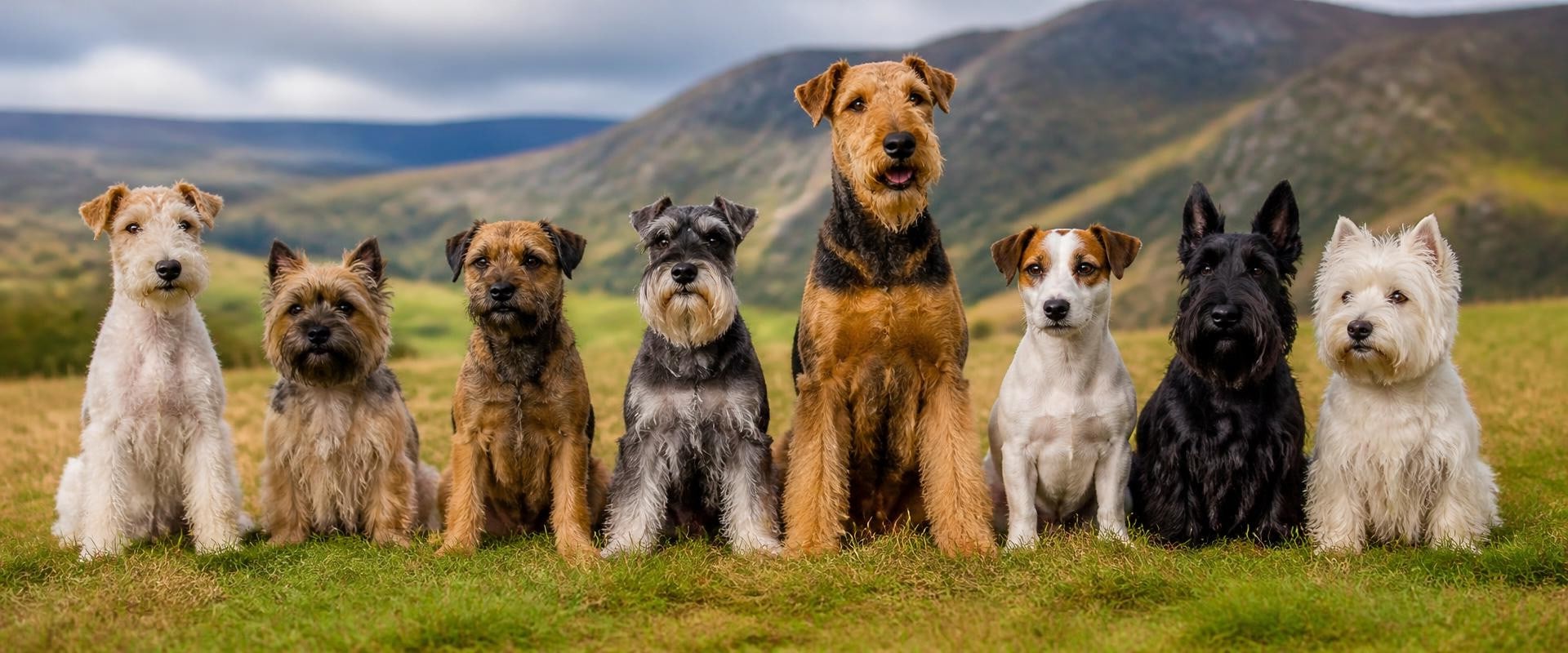
Terriers have long captured the hearts of dog lovers around the globe with their spirited personalities and diverse appearances. Terrier breeds from different countriesTerrier breeds from different countries showcase a fascinating tapestry of history, culture, and purpose that reflects the unique environments from which they originated. As we embark on this journey of exploration, we will uncover the rich backgrounds of these remarkable canines, each breed telling its own story shaped by the land it hails from. From the rugged highlands of Scotland to the sun-soaked streets of Mexico, each terrier breed carries with it a legacy of loyalty and tenacity. These dogs were initially bred for specific tasks such as hunting vermin, guarding property, or even assisting farmers.
Yet, over time, they have evolved into beloved companions cherished for their vivacious spirit and unwavering devotion. In this article, we will delve into some of the most prominent terrier breeds across various regions, exploring not only their distinctive traits but also their historical significance and the roles they have played in human society. Join us as we celebrate the diverse world of terriers and learn how these incredible dogs continue to make a mark on our lives today.
Terrier breeds
are a fascinating group of dogs that showcase a remarkable variety of characteristics, temperaments, and histories from around the world. These spirited canines have been cherished by dog lovers for centuries, primarily for their tenacity and loyalty. As we delve into the rich tapestry of terrier breeds from different countries, we uncover unique traits, care requirements, and cultural significance that contribute to their popularity. Starting with the Jack Russell Terrier, originating from England, this breed was initially developed for hunting foxes.Their energetic nature and intelligence make them both delightful companions and challenging pets for novice owners. Jack Russells are known for their boundless energy, which necessitates ample daily exercise—ideally an hour or more of vigorous play or walks. Their training should incorporate positive reinforcement techniques, as they respond best to enthusiastic encouragement rather than harsh discipline. Grooming is relatively straightforward; a regular brush will suffice to keep their coat healthy.
However, potential health concerns such as patellar luxation and deafness should be monitored closely. Next, we turn our attention to the Airedale Terrier, often hailed as the largest of the terrier breeds. Emerging from England, Airedales were bred for hunting larger game. They are known for their versatility and intelligence, making them excellent family pets and working dogs. With a distinctive wiry coat, they require regular grooming to prevent matting and skin issues.
Airedales thrive on mental stimulation; thus, engaging them in obedience training or canine sports can be beneficial. Health-wise, they may face issues such as hip dysplasia and certain skin conditions. Recent trends show a growing interest in Airedale adoption due to their adaptable nature. The Scottish Terrier, another breed steeped in history from Scotland, is characterized by its distinct beard and long body. These dogs were originally bred for hunting vermin in the rugged Scottish terrain.
Known for their strong-willed personalities, Scotties can be somewhat aloof but are deeply loyal to their families. Regular grooming is essential due to their dense double coat, which requires brushing several times a week. Exercise needs are moderate; daily walks and playtime suffice. Scotties may be prone to certain hereditary conditions like bladder cancer, making regular veterinary check-ups crucial. Moving across the Atlantic, we find the American Staffordshire Terrier.
This breed has a complex history intertwined with various roles in American culture, often misunderstood but increasingly recognized for its affectionate nature and loyalty. Amstaffs require consistent training and socialization from an early age due to their strength and energy levels. Daily exercise is critical; they thrive in active households where they can participate in various activities. Grooming is minimal; however, potential health concerns include hip dysplasia and heart issues that owners should be aware of.
The increasing trend towards responsible ownership has led to more breed-specific events celebrating the Amstaff’s positive attributes. Lastly, the Border Terrier, hailing from the borders of England and Scotland, is known for its tenacity and love for adventure. Originally bred to hunt foxes and other small animals, these small yet sturdy dogs are full of personality. Border Terriers require regular exercise to channel their energy effectively—a couple of daily walks combined with playtime usually suffice. Their rough coat needs regular grooming to keep it in tip-top shape while also preventing skin irritations.
Common health issues include heart problems and skin allergies. Recently, there has been a surge in popularity among Border Terriers, with more families choosing them as companions due to their friendly disposition. As we explore these terrier breeds from different countries, it’s essential to recognize that there may be varied opinions regarding their care practices or characteristics. Some dog enthusiasts argue about the temperament differences based on lineage or breeding practices, while others emphasize the importance of socialization in shaping behavior. Regardless of these perspectives, what remains clear is that terriers, with their diverse backgrounds and unique qualities, hold a special place in the hearts of dog lovers worldwide. The collective knowledge about these breeds continues to evolve with ongoing research into health issues and training methods, ensuring that future generations can appreciate the joys of terrier ownership while remaining informed advocates for their well-being.
American Terrier Breeds
The American Staffordshire Terrier is a breed that embodies strength and loyalty.Originating in the United States in the late 19th century, this breed was developed from the crossing of Bulldogs and Terriers for various purposes, including farm work and ratting. They are known for their muscular build, intelligence, and affectionate nature towards their families. To care for an American Staffordshire Terrier, it is essential to provide them with regular exercise and mental stimulation. They thrive in active households where they can engage in activities such as agility training or obedience classes. Another notable breed is the Boston Terrier, often referred to as the "American Gentleman" due to its tuxedo-like coat.
This breed was developed in the late 1800s in Boston, Massachusetts, from a mix of the now-extinct English Bulldog and the Bull and Terrier. Boston Terriers are small, compact dogs known for their friendly disposition and adaptability to various living environments. Care for a Boston Terrier includes regular vet check-ups, a balanced diet, and moderate exercise to maintain their overall health and prevent obesity. Both breeds exhibit unique characteristics that make them popular choices among dog lovers. Understanding their origins and specific care needs is crucial for potential owners who wish to provide a loving and enriching home for these wonderful dogs.
Terriers from Other Countries
Terrier breeds are not limited to just one region; they encompass a variety of breeds from around the globe, each with its own unique characteristics and traits.In this section, we will explore some of the international terrier breeds, focusing on the Australian Terrier and the Japanese Kishu Ken.The Australian Terrier is a small yet robust dog known for its lively personality and adaptability. Originating from Australia, this breed was developed to hunt and control vermin on farms. With a weather-resistant double coat, the Australian Terrier is well-suited for various climates. Owners should ensure regular grooming to keep their coat healthy and free of mats.
Additionally, they require daily exercise to maintain their energy levels and prevent boredom, which can lead to destructive behavior. On the other hand, the Japanese Kishu Ken is a medium-sized breed that has a rich history as a hunting dog in Japan. Known for its loyalty and independence, this breed excels in tracking game and is often reserved with strangers, making it an excellent guardian. Care for the Kishu Ken includes regular exercise and mental stimulation, as they are intelligent dogs that thrive on challenges. Grooming needs are moderate, with occasional brushing to manage shedding. Both the Australian Terrier and Japanese Kishu Ken exemplify the diversity within terrier breeds.
Understanding their unique traits and care considerations is essential for potential owners looking to welcome these remarkable dogs into their homes.
British Terrier Breeds
The British Terrier breeds are renowned for their spirited personalities and strong work ethic. Among these breeds, the Bull Terrier and Jack Russell Terrier stand out for their unique histories and characteristics. The Bull Terrier originated in the early 19th century, bred from a mix of bulldogs and terriers for the purpose of creating a strong and agile dog. This breed is known for its distinctive egg-shaped head and muscular build. Bull Terriers are intelligent and energetic, requiring regular exercise and mental stimulation.Training should be consistent and positive, as they respond well to reward-based methods. Grooming is relatively low-maintenance due to their short coat, requiring only occasional brushing to remove loose hair. On the other hand, the Jack Russell Terrier has its roots in the 1800s in England, where it was developed as a hunting dog to pursue foxes. This breed is characterized by its high energy levels, intelligence, and tenacity. Jack Russells are highly trainable but require firm and consistent training to manage their strong-willed nature.
Regular exercise is essential to keep them happy and healthy. Grooming varies depending on whether they have a smooth or rough coat; smooth-coated Jack Russells require minimal grooming, while rough-coated ones benefit from regular brushing to maintain their coat quality. Both of these British Terrier breeds have earned their place in the hearts of dog lovers due to their loyalty, playfulness, and distinctive traits. Understanding their history and care needs is essential for potential owners looking to welcome one into their home.
Health and Care for Terriers
Health is a crucial aspect of caring for terrier breeds, as these dogs can be prone to specific health issues depending on their breed. Regular check-ups with a veterinarian are essential to ensure that your terrier maintains optimal health throughout its life. One common health issue among terriers is skin allergies.Many terriers have sensitive skin, which can lead to itching and discomfort. To prevent skin problems, regular grooming is necessary, including bathing with hypoallergenic shampoos and frequent brushing to remove loose hair and debris. Another prevalent concern is hip dysplasia, particularly in larger terrier breeds. This genetic condition affects the hip joint and can lead to arthritis if not addressed early. Maintaining a healthy weight through proper diet and exercise can help mitigate this risk. Dental health is also important for terriers, as they can be susceptible to dental disease.
Regular teeth brushing and providing dental chews can help keep their teeth and gums healthy. Preventative care is vital for all terrier breeds. Vaccinations, parasite prevention, and regular health screenings should be part of a comprehensive care routine. Be sure to discuss with your veterinarian about the best preventative measures for your specific breed. In addition to physical health, it is essential to consider the mental health of your terrier. Providing them with mental stimulation through training, puzzle toys, and interactive play can help prevent behavioral issues associated with boredom. By keeping these health tips in mind and providing attentive care, you can ensure your terrier remains a happy and healthy companion for years to come.
Grooming Tips for Different Breeds
Grooming is an essential part of caring for your Terrier breeds, as it helps maintain their health and appearance.Different breeds have unique grooming needs based on their coat types, so understanding these requirements is key to keeping your furry friend looking and feeling their best.
Wire-haired Terriers
, such as the Airedale Terrier and the Scottish Terrier, benefit from regular hand-stripping. This technique involves plucking out dead hair to promote healthy growth. Aim for grooming every 6 to 8 weeks to maintain their coat's texture. Additionally, brushing should be done weekly with a slicker brush to remove loose hairs and prevent matting. On the other hand, smooth-coated Terriers, like the Manchester Terrier and the Bull Terrier, require less intensive grooming.A simple weekly brush with a bristle brush or rubber grooming mitt is sufficient to keep their coat shiny and healthy. Regular baths every 2 to 3 months help maintain cleanliness without stripping natural oils from their skin. If you have a long-haired Terrier, such as the Yorkshire Terrier, daily brushing is crucial to prevent tangles and mats. Use a wide-toothed comb followed by a slicker brush for best results. Additionally, regular trims every 4 to 6 weeks will keep their coat manageable and stylish. For curly-coated Terriers, like the Bedlington Terrier, grooming can be a bit more involved.
These breeds typically require professional grooming every 6 to 8 weeks to maintain their unique coat shape. In between visits, brush them weekly with a pin brush to keep their curls looking bouncy and healthy. Remember that all Terrier breeds also benefit from regular ear cleaning, nail trimming, and dental care as part of their grooming routine. By understanding and adhering to the specific grooming requirements of your Terrier breed, you can ensure that they remain healthy, happy, and looking great!
Connecting with the Terrier Community
As a proud owner or admirer of Terrier breeds, connecting with others who share your passion can enhance your experience and provide valuable insights. The terrier community is rich with resources that help enthusiasts engage, learn, and share their love for these spirited dogs. One of the best ways to immerse yourself in this community is by exploring local adoption opportunities.Many shelters and rescue organizations focus specifically on terrier breeds, offering a chance to adopt a dog in need of a loving home. Websites like Petfinder and Adopt-a-Pet allow you to search for terriers available for adoption based on your location, making it easier to find your perfect companion. In addition to adoption, local events such as dog shows, meetups, and breed-specific gatherings can be excellent venues for connecting with fellow terrier lovers. These events often provide a platform for owners to share experiences, tips, and advice on care, training, and grooming. Joining a local dog club or organization dedicated to terriers can also help you stay informed about upcoming events and activities in your area. For those who prefer online interaction, numerous social media groups and forums cater to terrier enthusiasts.
Platforms like Facebook and Reddit host communities where members share stories, photos, and advice on all things related to terrier breeds. Engaging in these online spaces not only helps you connect with others but also provides access to a wealth of information on breed care and health tips. Ultimately, whether through local events or online communities, becoming an active member of the terrier community can greatly enrich your experience as a terrier owner. Embrace the opportunity to learn from others, share your journey, and celebrate the unique qualities that make terriers such beloved companions.
Training Techniques for Terriers
Terrier breeds are known for their high energy levels and inquisitive nature, making effective training essential for their well-being. These dogs thrive on mental and physical stimulation, so employing specific training techniques tailored to their unique characteristics can lead to a successful learning experience. First and foremost, it’s crucial to establish a strong bond with your terrier.Building trust and respect will create a positive learning environment. Start training sessions in a distraction-free area where your dog can focus solely on you. Keep sessions short but frequent, as terriers tend to have shorter attention spans. Utilize positive reinforcement techniques, such as treats or praise, to reward desirable behaviors. Terriers respond well to rewards, so be consistent in your approach.
For example, if you are teaching your terrier to sit, reward them immediately when they comply. This method reinforces the behavior and encourages them to repeat it. Incorporating play into training can also be beneficial. Use toys that stimulate their hunting instincts to keep them engaged. Games like fetch or hide-and-seek not only serve as fun activities but also reinforce commands like 'come' or 'stay'.Socialization is another critical aspect of training for terrier breeds.
Early exposure to various environments, people, and other animals helps prevent behavioral issues down the line. Take your terrier on walks in different neighborhoods, visit dog parks, and arrange playdates with other dogs to help them develop good social skills. Additionally, enrolling your terrier in obedience classes can provide valuable guidance and support. Professional trainers can offer insights into breed-specific quirks and help you implement effective techniques for your dog. In summary, training a terrier requires patience, consistency, and creativity. By leveraging their natural energy and intelligence through positive reinforcement and socialization opportunities, you can cultivate a well-behaved companion who thrives in various environments. In conclusion, we have explored the fascinating world of Terrier breeds from different countries, highlighting their unique origins and characteristics.
From the spirited American Terrier breeds to the distinguished British Terrier breeds and beyond, each breed brings its own special traits that endear them to dog lovers worldwide. We also discussed essential topics such as health and care for terriershealth and care for terriers, effective training techniques, and tailored grooming tips to ensure your terrier thrives. As you consider adding a furry friend to your family, we encourage you to think about adopting a terrier. Engaging with local terrier communities can provide you with valuable support and resources, enhancing your journey as a pet owner. Owning a terrier is not just about companionship; it’s about embracing the joy, energy, and loyalty these breeds offer while committing to their responsible care.