For life with terriers.
Essential Bathing Tips for Your Terrier
Discover effective bathing guidelines and grooming tips for terriers to keep their coats healthy and vibrant.
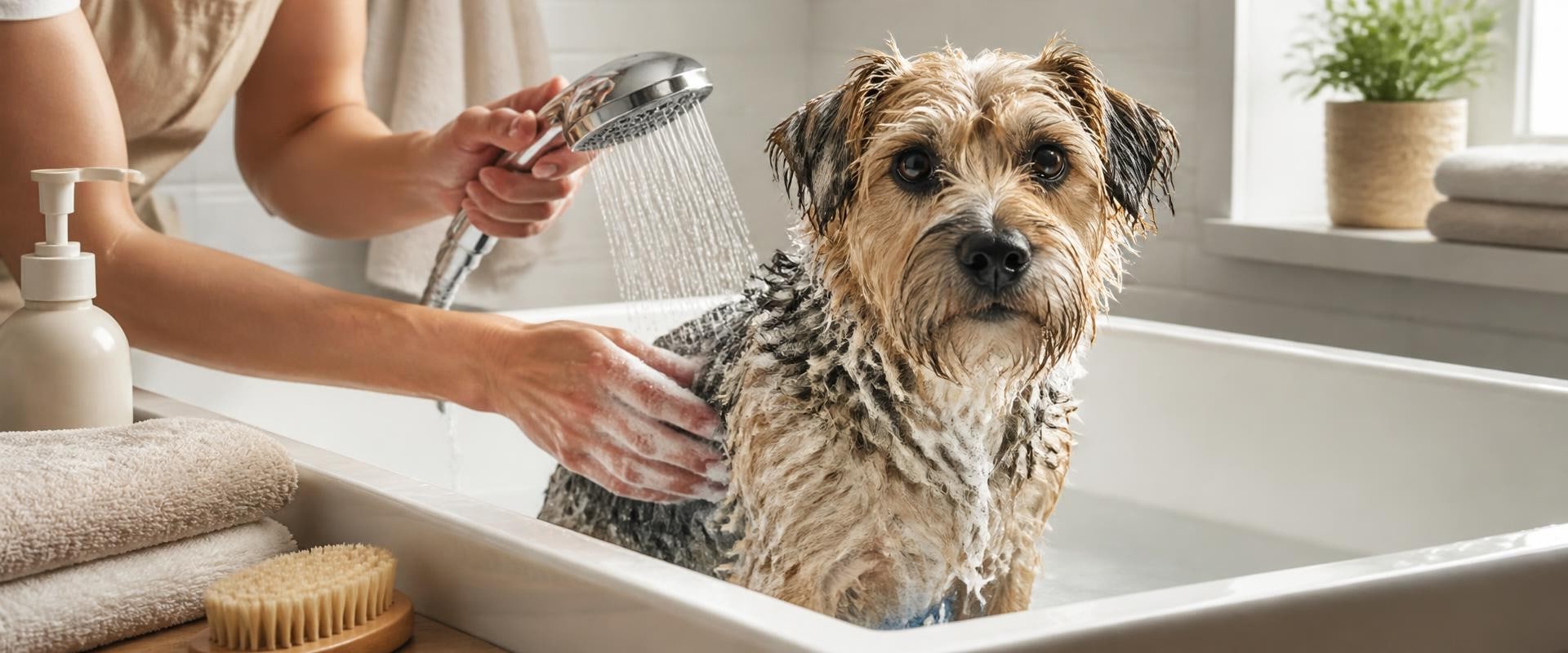
As a proud terrier owner, you know that these energetic and spirited dogs come with their own unique set of grooming needs. Among these, bath time is an essential ritual that not only keeps your furry friend clean but also promotes their overall health and well-being. However, many pet owners may feel uncertain about how to bathe their terrier properly, leading to a stressful experience for both the dog and the owner. In this article, we will explore essential bathing tips tailored specifically for terriers.
From choosing the right shampoo to mastering the bathing technique that suits your dog's coat type, we've got you covered. Whether your terrier has a wiry, coarse coat or a soft, silky one, understanding the nuances of bathing can make a significant difference in their grooming routine. Join us as we delve into the best practices for bathing your terrier, ensuring that you not only keep them smelling fresh but also maintain the health of their skin and coat. With our comprehensive tips, you’ll transform bath time from a chore into an enjoyable bonding experience with your beloved companion.
Read on to discover how to make bath time a breeze!Bathing is an essential part of maintaining the health and appearance of your terrier. Regular bathing helps to keep their coat clean, free from debris, and free from pests, all of which contribute to their overall well-being. The frequency at which you should bathe your terrier largely depends on their coat type and lifestyle. For instance, terriers with wiry coats, such as the Scottish Terrier or Wire Fox Terrier, may only need a bath every 6 to 8 weeks, while those with softer coats, like the Cairn Terrier, might require more frequent baths, particularly if they spend a lot of time outdoors or have a tendency to get dirty.
Conversely, if your terrier is primarily an indoor dog and has minimal exposure to dirt, a bath every few months may suffice. When it comes to choosing the right products for your terrier, it is crucial to select shampoos and conditioners specifically designed for dogs. Human shampoos can be too harsh and may lead to skin irritation. Look for gentle, dog-specific products that are pH balanced for canine skin. Some terriers may benefit from medicated shampoos if they have specific skin conditions or sensitivities.
Always consult your veterinarian if you are unsure about which products to use. The bathing process should be approached methodically to ensure a positive experience for both you and your terrier. Begin by preparing the bathing area. Gather all necessary supplies, including your chosen shampoo, conditioner, towels, and a non-slip mat for safety. Before wetting your terrier, brush their coat to remove any tangles or loose hair.
This step is especially important for breeds like the Airedale Terrier, which can develop mats in their fur. Once you're ready, wet your terrier's coat thoroughly using lukewarm water. Avoid getting water directly in their ears, eyes, or nose. After their coat is wet, apply a small amount of shampoo, starting from the neck and working your way down the body. Gently massage the shampoo into their coat, ensuring that you cover all areas without being too rough on their skin. Rinsing is just as important as applying shampoo.
Make sure to rinse out all the product thoroughly, as any leftover residue can lead to skin irritation. After rinsing, apply a conditioner if desired, which can help keep the coat soft and manageable. Follow up with a final rinse to remove any conditioner. Drying your terrier can be done using towels and, if they are comfortable with it, a blow dryer on a low setting. Be cautious with the heat level as terriers can be sensitive to high temperatures.
Towel drying is effective for most breeds, but some might enjoy being gently dried with a blow dryer. It's essential to keep your terrier calm during this process; offer treats or use calming techniques if they seem anxious. Handling your terrier during bath time can be tricky, especially for those who are nervous or resistant. Start by making bath time a positive experience; use treats and praise throughout the process to reinforce good behavior. If your terrier shows signs of distress, take breaks as needed and try to remain calm yourself.
Some dogs may benefit from getting accustomed to bath time gradually by introducing them to water in smaller increments. Avoid common grooming mistakes during bathing. One mistake many owners make is not rinsing their terrier's coat thoroughly enough; this can lead to build-up and irritation. Another error is using too much shampoo, which not only wastes product but also makes rinsing more challenging. Additionally, avoid bathing your terrier too frequently; over-bathing can strip the natural oils from their skin and lead to dryness. There are also misconceptions regarding how often you should bathe your terrier.
Many owners fear that frequent bathing will irritate their dog's skin or damage their coat; however, when done correctly with appropriate products and techniques, regular bathing can be beneficial rather than harmful. It’s crucial to find a balance based on your dog's unique needs. Different terrier breeds have distinct grooming requirements during baths. For example, while the Boston Terrier's short coat requires minimal maintenance and infrequent baths, the fluffy coat of a Shetland Sheepdog Terrier needs more frequent attention with specialized grooming tools. Understanding these nuances is vital for ensuring that each terrier's specific needs are met during bath time. In conclusion, regular bathing is key for maintaining the health and appearance of your terrier.
By understanding their specific needs based on coat type and lifestyle, selecting appropriate products, following a careful bathing process, and avoiding common pitfalls, you can ensure that bath time is a positive experience that enhances your furry friend's quality of life.
Post-Bath Grooming Tips
After giving your terrier a bath, post-bath grooming is essential to ensure their coat remains healthy and vibrant. This stage not only enhances the appearance of their fur but also promotes overall skin health. First, brushing your terrier's coat post-bath is crucial. Use a suitable brush for your terrier's specific coat type—whether it’s wiry, silky, or coarse. Brushing helps to remove any loose hair and tangles that may have formed during the bathing process.It also distributes natural oils throughout the coat, which keeps it shiny and prevents dryness. Next, focus on drying techniques. Depending on your terrier’s coat type, you may want to use a towel or a blow dryer. For longer-haired breeds, gently towel-dry them first to absorb excess moisture before using a low-heat setting on the blow dryer. Always keep the dryer at a safe distance to avoid overheating their skin.
For shorter-haired terriers, a thorough towel dry might suffice. Additionally, consider using a finishing spray or coat conditioner designed for dogs after drying. This can help further detangle the coat and add an extra layer of shine. Finally, don’t forget to check your terrier’s ears and paws during the post-bath grooming process. Ensure that their ears are dry to prevent infections, and check their paw pads for any debris or irritation that may need attention.
Choosing the Right Products
When it comes to bathing your terrier, choosing the right products is crucial for maintaining their coat and skin health. Different terrier breeds have unique coat types and skin sensitivities, which necessitate tailored bathing solutions.Shampoos designed specifically for dogs are the best choice, as they are formulated to match the pH balance of canine skin. Look for products that are free from harsh chemicals, sulfates, and parabens, as these can irritate your dog's skin. Consider opting for a hypoallergenic shampoo if your terrier has sensitive skin or allergies. For terriers with long or wiry coats, a moisturizing shampoo can help keep the hair soft and manageable. On the other hand, if your terrier has a short coat, a gentle cleansing shampoo may suffice.
Additionally, some breeds might benefit from medicated shampoos designed to address specific skin conditions such as itching or flaking. Conditioners play an equally important role in maintaining your terrier's coat. A good dog conditioner can help detangle the fur and add moisture, making it easier to groom your dog afterward. Look for conditioners that are enriched with natural ingredients like oatmeal or aloe vera to soothe the skin and coat. Always remember to read product labels carefully and consult with your veterinarian if you’re unsure which products would be best for your terrier's specific needs. Finding the right bathing products will not only enhance your dog's appearance but also contribute to their overall health and happiness.
Bathing Frequency Recommendations
When it comes to bathing guidelines for terriers, understanding the bathing frequency based on coat type and activity level is crucial for maintaining your dog's health and appearance.Different terrier breeds possess varying coat characteristics that influence how often they need a bath. For smooth-coated terriers, such as the Bull Terrier or the Boston Terrier, bathing every 4 to 6 weeks is generally sufficient. Their short, dense fur tends to repel dirt and moisture, making frequent baths unnecessary. Over-bathing can lead to dryness in their skin, so it’s essential to find a balance. On the other hand, wired-haired terriers, like the Airedale or the Welsh Terrier, require a bit more attention. These breeds should be bathed every 6 to 8 weeks, depending on their activity levels.
If they enjoy outdoor activities that may expose them to mud or debris, consider adjusting the schedule accordingly.
Long-haired terriers
, such as the Yorkshire Terrier, typically need more frequent baths—about every 3 to 4 weeks. Their coats can trap dirt and oils, leading to tangles and matting if not maintained regularly. Additionally, using a gentle dog shampoo can help keep their coat healthy and shiny. Lastly, it’s important to recognize that dogs with skin conditions or allergies may need special bathing routines as recommended by a veterinarian. Always consider your terrier's specific needs when establishing a bathing schedule to ensure they remain clean and comfortable.Understanding Terrier Coat Types
Terriers are a diverse group of breeds, each exhibiting unique characteristics that influence their grooming and bathing needs.Understanding these coat types is essential for effective care. The primary coat types found in terriers include smooth, broken, and wire-haired coats.
Smooth-coated terriers
, such as the Bull Terrier, have short, sleek fur that lies flat against the skin. These coats are relatively low-maintenance, requiring less frequent bathing compared to other coat types. A gentle shampoo and thorough rinsing are usually sufficient to keep their skin healthy and free from excess oils.Broken-coated terriers
, like the Border Terrier, feature a rough texture with a mix of short and longer hairs.This coat type often benefits from regular brushing to remove loose hair and dirt, but they also require occasional baths to maintain skin health. When bathing broken-coated terriers, it’s crucial to use a mild shampoo that won’t strip the natural oils from their skin.
Wire-haired terriers
, such as the Airedale Terrier, have a dense, coarse outer coat with a soft undercoat. This coat type typically requires more attention, including regular hand-stripping or trimming in addition to baths. Bathing wire-haired terriers should be done sparingly; too much bathing can lead to a dull coat.When necessary, use a specialized dog shampoo designed for wire-haired breeds to preserve the texture and integrity of their coat. Overall, understanding the specific coat types of terriers can help pet owners tailor their bathing techniques effectively. Each breed has distinct needs that influence not only how often they should be bathed but also the types of products used during the process.
Step-by-Step Bathing Process
Bathing your terrier is an essential part of grooming that helps maintain their coat and overall health. Follow these step-by-step bathing guidelines to ensure a thorough and enjoyable experience for both you and your furry friend.Step 1: Gather Your Supplies
Before you start, make sure you have everything you need: a dog-friendly shampoo, a large towel, a non-slip mat, and a cup or handheld sprayer for rinsing. Having these items ready will make the process smoother.Step 2: Prepare Your Dog
Brush your terrier's coat to remove any tangles or loose hair.This is especially important for breeds with wiry or longer hair, as it helps prevent matting during the bath.
Step 3: Choose the Right Location
Select a bathing area that is comfortable for both you and your terrier. This could be a bathtub, shower, or outdoor space if the weather permits. Ensure the area is safe and secure to avoid any slips.Step 4: Wet the Coat
Using lukewarm water, gently wet your terrier's coat, starting from the neck and working your way down. Be cautious around their ears and face to prevent water from entering sensitive areas.Step 5: Apply Shampoo
Squeeze a small amount of dog-specific shampoo into your hands and lather it into your terrier's coat.Focus on areas that tend to get dirty, such as the paws, belly, and tail. Avoid getting shampoo in their eyes or ears.
Step 6: Rinse Thoroughly
Using clean water, rinse your terrier’s coat thoroughly to remove all traces of shampoo. It’s important to ensure no residue remains, as it can irritate their skin.Step 7: Dry Your Terrier
After rinsing, gently squeeze excess water from your terrier’s coat. Wrap them in a large towel and pat them dry.If your dog tolerates it, you can use a blow dryer on a low setting; just be sure to keep it at a safe distance from their skin.
Step 8: Final Touches
Once dry, brush your terrier’s coat again to remove any remaining tangles and give it a polished look. This is also a good time to check for any skin issues or parasites. By following these step-by-step bathing guidelines, you can ensure that your terrier remains clean, healthy, and looking their best!In conclusion, proper bathing techniques are essential for maintaining a healthy and vibrant coat for your terrier. We discussed the unique coat types of various terrier breeds and how understanding these differences can help you choose the right products for optimal results. The step-by-step bathing process outlined in this article ensures that your dog enjoys bath time, while post-bath grooming tips help to keep their coat looking its best. We also emphasized the importance of establishing a bathing frequency that aligns with your dog’s specific needs, as this can greatly enhance their overall well-being.By making bath time a positive experience and adhering to the essential bathing tips provided, you can contribute to your terrier's health and happiness. We encourage you to create a regular bathing routine tailored to your dog’s individual requirements, ensuring that they not only look great but feel great too.