For life with terriers.
Selecting the Right Groomer for Your Terrier
Explore essential tips and insights for choosing a groomer tailored to your terrier's needs.
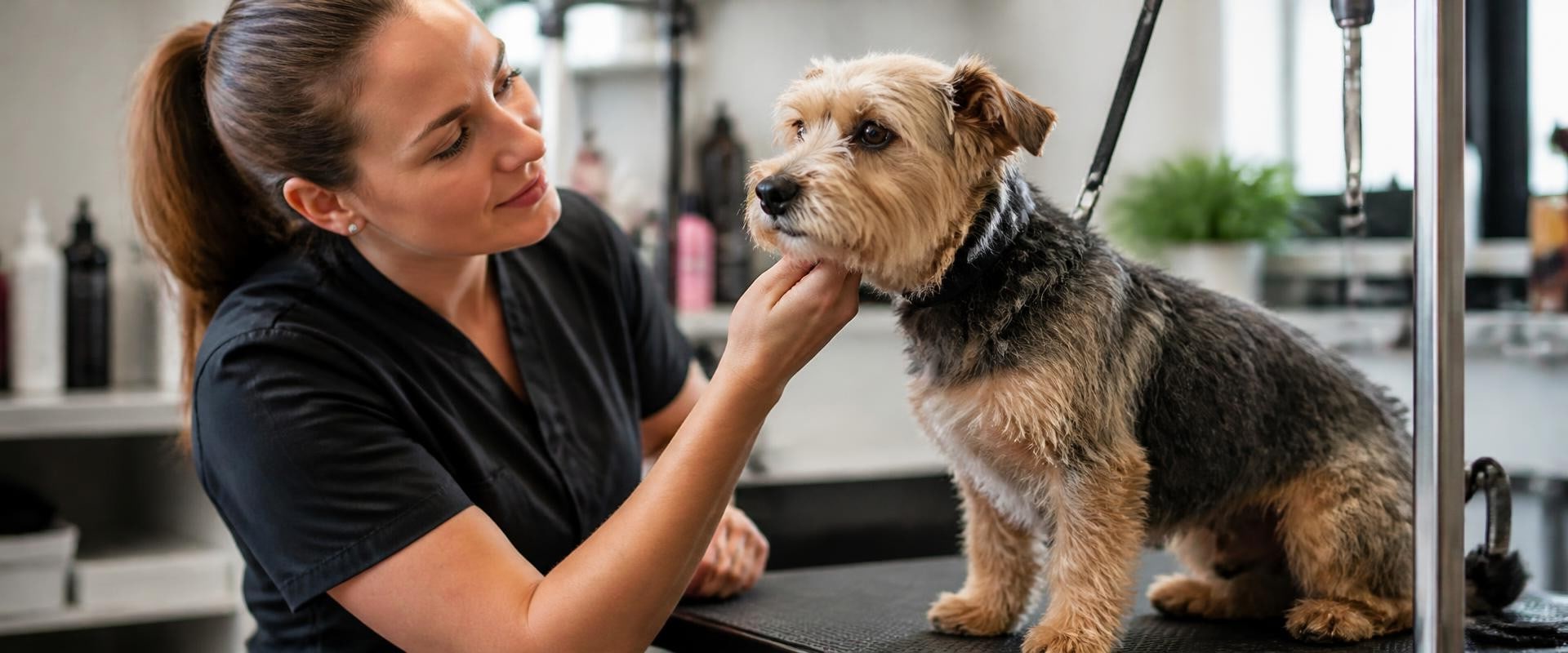
When it comes to keeping your furry friend looking their best, choosing a groomer for your terrier is one of the most important decisions you'll make as a pet owner. Terriers are known for their lively personalities and unique grooming needs, which can make finding the right professional groomer both exciting and daunting. With so many options available, how do you ensure that your beloved companion receives the care and attention they deserve?In this guide, we will explore the essential factors to consider when selecting a groomer who understands the specific requirements of terriers. From breed-specific grooming techniques to the importance of building a trusting relationship with your groomer, we’ll cover everything you need to know to make an informed decision.
Your terrier's comfort and well-being are paramount, and finding a qualified groomer can make all the difference in ensuring a positive grooming experience. Join us as we delve into the world of professional grooming for terriers, helping you navigate through the choices available, so you can feel confident about your selection. After all, a well-groomed terrier is not just about looks; it’s about health, happiness, and showcasing their vibrant personality!When it comes to choosing a groomer for your terrier, it's essential to understand the unique grooming needs that different terrier breeds require. Terriers come in various shapes and sizes, each with distinct coat types and grooming needs. For instance, wire-haired terriers often benefit from a technique known as hand-stripping, which involves plucking the dead hair from the coat to promote healthy growth and maintain the breed's characteristic appearance.
This method is particularly important for breeds like the Airedale Terrier and the Scottish Terrier, as it helps preserve the texture of their coats, keeping them looking sharp and well-groomed. On the other hand, soft-coated terriers, such as the Soft Coated Wheaten Terrier, typically require regular clipping to manage their flowing coats. Clipping not only keeps their fur manageable but also helps prevent matting, which can be uncomfortable and lead to skin issues. Understanding these specific grooming styles is vital when selecting a groomer who can cater to your terrier’s needs. As you embark on the process of selecting a groomer, several factors should be considered. Firstly, look for a groomer with extensive experience working specifically with terriers.
Groomers who specialize in this area will have a better understanding of the different techniques required for various breeds, ensuring that your pet receives the best care possible. Certifications can also be an indicator of a groomer's professionalism and expertise; many reputable groomers pursue continuing education opportunities to stay updated on grooming trends and techniques. Customer reviews are another crucial factor when assessing potential groomers. Look for testimonials from other terrier owners who have had positive experiences. This feedback can provide insight into how well the groomer interacts with dogs, their ability to handle different temperaments, and the overall satisfaction of pet owners. Common grooming services that terriers may require include bathing, nail trimming, and ear cleaning.
Regular bathing helps keep your terrier's coat clean and free from dirt and debris, while nail trimming is essential to prevent overgrowth, which can cause discomfort or pain. Ear cleaning is also important, especially for breeds prone to ear infections; a good groomer will know how to clean ears safely and effectively. Grooming frequency is another concern for many terrier owners. The general guideline suggests that terriers should be groomed every four to six weeks, depending on their coat type and lifestyle. However, some owners may worry about costs associated with regular grooming sessions.
It's important to remember that investing in professional grooming contributes significantly to your terrier's overall health and well-being. While prices may vary based on location and services provided, many groomers offer package deals or loyalty programs that can help alleviate some of these financial concerns. Effective communication between pet owners and groomers is vital for ensuring your dog's comfort and safety during grooming sessions. Be open about any concerns you have regarding your terrier's temperament or specific grooming needs. A good groomer will appreciate this communication and will work with you to create a positive grooming experience for your pet. Many terrier owners have shared their positive experiences with dedicated groomers who understand the specific requirements of their breeds.
One owner noted, "Finding a groomer who specializes in terriers has made all the difference for my dog. They always come back looking great and seem much happier after their appointments." This sentiment is echoed by many who prioritize finding a groomer familiar with their dog's unique grooming needs. In summary, when choosing a groomer for your terrier, consider the specific grooming styles required for different breeds, the experience and certifications of potential groomers, customer reviews, common services needed, grooming frequency, and the importance of communication. By taking these factors into account, you can ensure that your terrier receives the best possible care during their grooming sessions.
Understanding Terrier Grooming Needs
Terriers are a diverse group of dog breeds, each with their own unique grooming characteristics. From the wiry coats of the Scottish Terrier to the soft and silky fur of the Yorkshire Terrier, understanding these differences is crucial when selecting a groomer. The Airedale Terrier, known as the 'King of Terriers', has a distinctive double coat that requires specific grooming techniques.Regular hand-stripping is essential to maintain the coat's texture and prevent matting. This method helps preserve the natural oils in their fur, contributing to their overall health. On the other hand, the West Highland White Terrier has a dense, weather-resistant coat that benefits from regular brushing and occasional trimming to keep it looking its best. Groomers should be familiar with the breed’s specific needs to effectively manage shedding and maintain coat quality. The Jack Russell Terrier, with its short, smooth coat, requires less grooming compared to its long-haired counterparts but still needs regular baths and brushing to keep skin healthy. Understanding the individual grooming requirements helps ensure that each terrier receives appropriate care tailored to their coat type. Moreover, due to their energetic nature, terriers often require a groomer who is not only skilled but also familiar with handling lively dogs.
This ensures a stress-free experience for both the groomer and the terrier, contributing to a positive grooming session. In summary, when selecting a groomer for your terrier, it is essential to consider their specific coat type and grooming needs. A groomer who understands these unique characteristics will help maintain your terrier's health and well-being.
What to Look for in a Groomer
When selecting a groomer for your terrier, it is essential to consider several key factors that contribute to a positive grooming experience. First and foremost, look for a groomer who has experience with terriers specifically. Terriers have unique coat types that require different grooming techniques compared to other breeds.A groomer familiar with these specific needs will be able to provide the best care for your dog. In addition to experience, check for relevant qualifications. Professional grooming certifications from recognized institutions can indicate that the groomer has undergone proper training and possesses the necessary skills. Furthermore, membership in professional organizations can also be a good sign of a groomer’s commitment to their craft. Another important quality to seek out is attention to detail. Terriers often require specialized grooming methods, such as hand stripping or specific clipping techniques.
A great groomer will pay close attention to your terrier's coat condition and be able to recommend the best grooming practices tailored to your dog's needs. Moreover, consider the groomer’s communication skills. A good groomer should be willing to listen to your concerns and preferences regarding your terrier's grooming. They should provide clear explanations about their methods and be open to discussing any specific issues you might have noticed with your dog's coat or skin. Finally, observe the grooming environment. A clean, organized, and safe grooming facility is crucial for your terrier's well-being.
Make sure the groomer uses high-quality products suitable for terriers' sensitive skin and coats. By taking the time to evaluate these aspects, you can ensure that you choose a groomer who will meet the unique grooming needs of your terrier and contribute positively to their overall health and happiness.
Common Grooming Services for Terriers
When it comes to grooming your terrier, understanding the common grooming services available is essential. Each terrier breed has unique coat types that require specific care, making it important to choose a groomer who is well-versed in these needs.1.Bathing and Drying:
Regular baths are crucial for maintaining your terrier's coat. Depending on the breed, some may require special shampoos to prevent skin irritation or to enhance coat texture. Proper drying techniques are also important to prevent matting and maintain coat health.2.Brushing:
Terriers often have wiry hair that can easily tangle.Regular brushing helps to remove loose hair and prevent mats from forming. Some breeds may benefit from specific brushing tools, such as slicker brushes or combs designed for their coat type.
3.Clipping and Trimming:
Many terriers need regular clipping or trimming to keep their coats looking neat and manageable. This service typically includes shaping the coat according to breed standards while ensuring the dog remains comfortable.4.Nail Care:
Regular nail trimming is an essential part of grooming that often gets overlooked. Long nails can lead to discomfort and health issues, so a groomer will ensure your terrier's nails are kept at an appropriate length.5.Ear Cleaning:
Terriers can be prone to ear infections due to their active nature and floppy ears.Routine ear cleaning helps to prevent dirt buildup and infection, ensuring your pet's ears remain healthy.
6.Teeth Brushing:
Dental hygiene is just as important for your terrier as it is for humans. Many professional groomers offer teeth brushing services that help reduce plaque buildup and promote overall oral health. By understanding these common grooming services, you can better communicate with potential groomers about your terrier's needs, ensuring they receive the best possible care.Tips for Building a Relationship with Your Groomer
Building a strong relationship with your groomer is essential for ensuring that your terrier receives the best possible care. Effective communication is key to this relationship, and here are some tips to help you establish a good rapport with your groomer.Be Clear About Your Expectations:
When you first meet your groomer, take the time to discuss your terrier’s specific grooming needs. Whether it’s a particular style, frequency of grooming, or any sensitivities your dog may have, being upfront will help your groomer understand what you are looking for.Share Your Dog’s History:
Provide your groomer with information about your terrier’s grooming history.If there have been any past experiences that were particularly positive or negative, sharing these details can help the groomer tailor their approach to your dog’s needs.
Ask Questions:
Don’t hesitate to ask your groomer questions about their techniques, products used, and what you can do at home to maintain your terrier’s coat between visits. A good groomer will be happy to provide advice and share their expertise.Provide Feedback:
After a grooming session, offer constructive feedback. If you loved something about the grooming or if something could be improved, let your groomer know. This will help them understand your preferences better for future appointments.Be Patient:
Building a relationship takes time.Your terrier may need a few visits to become comfortable with the groomer, and likewise, the groomer may need time to understand your dog’s personality and grooming requirements. Be patient as this relationship develops.
Show Appreciation:
A simple thank you or compliment can go a long way in building goodwill with your groomer. Recognizing their efforts not only fosters a positive relationship but also encourages them to continue providing the best care for your terrier.By following these tips for effective communication and relationship-building, you can ensure that both you and your terrier have a positive grooming experience. In conclusion, selecting the right groomer for your terrier is crucial in meeting their unique grooming needs. As discussed, terriers require specialized attention due to their distinct coat types and lively personalities.A qualified groomer who understands these specific requirements can make a significant difference in your pet's grooming experience.