For life with terriers.
Tibetan Terrier: A Unique and Affectionate Companion
Discover essential information on Tibetan Terrier care, training, health, and their unique characteristics in the terrier breed family.
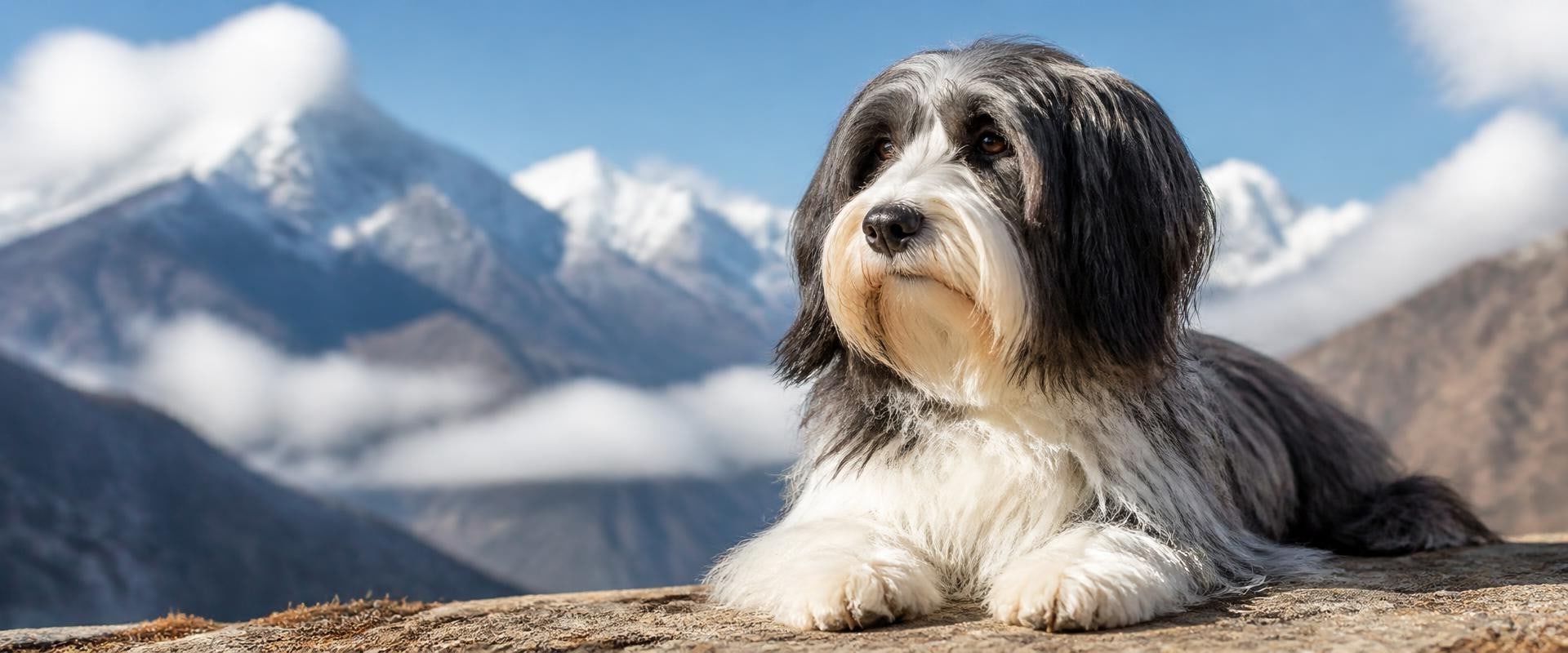
Welcome to the fascinating world of the Tibetan Terrier, a breed that is not just a dog but a true companion. Known for their distinctive appearance and affectionate nature, Tibetan Terriers are often misunderstood as mere lap dogs. However, they possess a rich history and a personality that makes them stand out among other breeds. Originating from the high altitudes of Tibet, these dogs were bred by monks to serve as companions and protectors, which speaks volumes about their loyalty and intelligence. In this article, we will delve into the unique characteristics of the Tibetan Terrier, exploring their playful disposition, grooming needs, and adaptability to various living environments.
Whether you are considering adding a Tibetan Terrier to your family or simply wish to learn more about this rare breed, you will find valuable insights that highlight why these dogs are truly special. Join us as we uncover the charm of the Tibetan Terrier and what makes them such beloved companions in households around the world. The Tibetan Terrier is a truly unique and affectionate companion, often overlooked in the realm of dog breeds. Originating from the high mountains of Tibet, this breed was historically cherished by Buddhist monks. They served not only as loyal companions but also as guardians of monasteries and herders of livestock.
The Tibetan Terrier’s connection to Tibetan culture is profound, making them not just pets but also symbols of companionship and spiritual significance. When it comes to physical characteristics, Tibetan Terriers are medium-sized dogs, typically weighing between 20 to 24 pounds and standing about 14 to 17 inches tall at the shoulder. Their most distinctive feature is their long, thick coat, which can come in a variety of colors including black, white, brown, and combinations thereof. This beautiful coat serves as insulation against the harsh Tibetan climate, but it also requires diligent grooming to keep it healthy and free from mats. Caring for a Tibetan Terrier involves understanding their specific needs. While they are generally healthy dogs, they can be prone to certain health issues such as hip dysplasia and cataracts.
Regular veterinary check-ups are essential to monitor their health status. Regarding dietary needs, a high-quality dog food that meets their nutritional requirements is crucial. It’s also important to control their portions to prevent obesity, which can exacerbate health issues. Exercise is another key aspect of their care; Tibetan Terriers are active and playful, requiring daily walks and engaging playtime to satisfy their energetic nature. Training a Tibetan Terrier can be a rewarding experience, but it requires patience due to their intelligence and sometimes stubborn disposition.
They respond well to positive reinforcement methods, such as treats and praise, but consistency is key. Early socialization is vital to help them develop into well-rounded adults. Engaging them in various activities, from obedience classes to agility training, can stimulate their minds and strengthen the bond between dog and owner. Grooming is an essential part of caring for a Tibetan Terrier because of their long coat. Regular brushing is necessary to prevent tangles and mats; ideally, they should be brushed several times a week.
Bathing should be done every few months or as needed, using a gentle dog shampoo to maintain coat health. It’s also important to pay attention to their ears and teeth, ensuring they remain clean and free from infections. Socialization is critical for Tibetan Terriers; they thrive on interaction with both people and other animals. Introducing them to various environments and experiences from a young age helps reduce shyness or fearfulness later in life. Activities such as group training sessions or dog parks can provide the social engagement they need. In recent news surrounding Tibetan Terriers, there are numerous adoption resources available for those interested in bringing one of these charming dogs into their home.
Various breed-specific rescue organizations work tirelessly to find homes for abandoned or neglected Tibetan Terriers. Community events are also popular among enthusiasts, offering opportunities for owners to connect and share experiences. There are many heartwarming stories within the Tibetan Terrier community illustrating successful training methods or remarkable health transformations. For instance, one owner shared how her Tibetan Terrier thrived after switching to a balanced diet and incorporating regular exercise into his routine. Similarly, training stories highlight how consistent positive reinforcement helped a stubborn Tibetan Terrier learn commands that once seemed impossible. While there may be disagreements regarding the best training methods or grooming styles for Tibetan Terriers, what remains clear is the love and dedication these owners have for their pets.
Regardless of differing opinions on techniques, the joy of owning a Tibetan Terrier is universally recognized by those who share their lives with this special breed.
Training and Socialization
Training a Tibetan Terrier can be a rewarding experience, as these dogs are known for their intelligence and eagerness to please. However, it is essential to approach their training with patience and consistency. Positive reinforcement techniques, such as treats and praise, work wonders with this breed. Start with basic commands like sit, stay, and come, gradually introducing more advanced commands as they become proficient. Socialization is equally important for a Tibetan Terrier.Early exposure to various environments, people, and other animals will help them develop into well-rounded companions. Take your Tibetan Terrier to parks, pet-friendly events, and training classes to encourage positive interactions. Remember that these dogs can be somewhat reserved around strangers, so gentle introductions and positive experiences are key to building their confidence. Regular training sessions should be engaging and fun to hold their interest. Incorporate play into training routines to make learning enjoyable.
Additionally, consider joining a local dog club or online community focused on Tibetan Terriers to connect with other enthusiasts who can share tips and experiences on effective training methods.
Physical Characteristics
The Tibetan Terrier is a medium-sized breed, typically weighing between 20 to 35 pounds and standing about 14 to 17 inches tall at the shoulder. Their size makes them an ideal companion for both individuals and families, fitting comfortably in various living environments. One of the most striking features of the Tibetan Terrier is their luxurious coat. They possess a double coat that consists of a soft, dense undercoat and a longer, flowing outer coat. This unique coat comes in a variety of colors, including black, white, brown, and combinations of these shades.Regular grooming is essential to maintain their coat's health and prevent matting. In addition to their beautiful fur, Tibetan Terriers have distinctive facial features. They have a broad head with a rounded skull and a short muzzle, often adorned with a beard and mustache that gives them an endearing expression. Their large, dark eyes are full of intelligence and warmth, while their ears hang down and are covered with long hair, enhancing their charming appearance. Overall, the Tibetan Terrier's unique physical characteristics not only contribute to their beauty but also reflect their history as a breed cherished by Tibetan monks and nomads.
Recent News and Community Events
As the popularity of the Tibetan Terrier continues to grow, numerous events and news items highlight this breed's unique charm. From dog shows to breed-specific gatherings, there are plenty of opportunities for enthusiasts to come together and celebrate their love for these affectionate companions. One recent event that captivated the community was the annual Tibetan Terrier national specialty show, where owners showcased their dogs’ exceptional traits, including their intelligence and playful nature.Such events not only provide a platform for competition but also foster connections among breed enthusiasts. Additionally, various online forums and social media groups have sprung up, offering platforms for sharing experiences, tips, and advice on care and training. Engaging with these communities can be incredibly rewarding as members often share heartwarming stories and helpful resources. To stay updated on upcoming events or to connect with fellow Tibetan Terrier lovers, consider joining local breed clubs or participating in online discussions. These platforms are excellent for learning about health tips, training techniques, and even finding meet-ups in your area. By immersing yourself in the Tibetan Terrier community, you will not only enhance your understanding of this rare breed but also create lasting friendships with other passionate owners.
Health Care Tips
To ensure a long and healthy life for your Tibetan Terrier, it is essential to be aware of common health concerns associated with the breed and implement preventative care measures.Tibetan Terriers
are generally hardy, but like all breeds, they can be prone to certain health issues. One of the most common concerns is hip dysplasia, a hereditary condition that affects the hip joint and can lead to arthritis.Regular vet check-ups and maintaining a healthy weight can help mitigate this risk. Additionally, eye conditions such as cataracts and progressive retinal atrophy are prevalent in Tibetan Terriers. Routine eye examinations can aid in early detection and treatment. Another important aspect of health care is dental hygiene.
Tibetan Terriers
are susceptible to dental issues, so regular brushing and dental check-ups are vital.Furthermore, ensuring proper nutrition is key to their overall health. A balanced diet tailored to their age, size, and energy level will support their immune system and keep them active. Lastly, regular exercise is crucial for maintaining a healthy weight and mental stimulation. Engage your Tibetan Terrier in daily walks and playtime to keep them physically fit and happy. By staying informed about these health concerns and following preventative care tips, you can ensure that your Tibetan Terrier remains a lively companion for many years.
History and Origin of the Tibetan Terrier
The Tibetan Terrier is not actually a true terrier but rather a distinct breed that has been cherished for centuries in the high altitudes of Tibet.Often referred to as the 'Holy Dog of Tibet,' this breed has a rich and storied background that is deeply intertwined with Tibetan culture. Originating in the Himalayan region, the Tibetan Terrier was bred by nomadic tribes as a versatile companion and watchdog. They were primarily used by monasteries and local families, serving both as loyal pets and protectors. Their thick, long fur provided insulation against the harsh climate, making them well-suited for the rugged terrain. Significantly, these dogs were considered sacred, often given as gifts to foreign dignitaries or travelers by Tibetan monks. This practice not only spread awareness of the breed but also helped solidify its status as a revered companion within Tibetan culture. The Tibetan Terrier's history is further marked by its role in traditional Tibetan medicine, where they were believed to possess healing powers.
These dogs have been celebrated not just for their companionship but also for their deep connection to the spiritual and cultural heritage of Tibet. As we explore this unique breed, it becomes clear that the Tibetan Terrier is more than just a pet; it is a symbol of loyalty, affection, and historical significance that continues to resonate with enthusiasts today.
Grooming Techniques
Grooming a Tibetan Terrier is an essential aspect of their care, particularly due to their unique coat type. These dogs have a double coat that consists of a soft, woolly undercoat and a long, flowing outer coat. This combination not only contributes to their charming appearance but also requires regular maintenance to keep them healthy and looking their best. To maintain the Tibetan Terrier's coat, it is recommended to brush them at least two to three times a week. Regular brushing helps to remove loose hair, prevent matting, and distribute natural oils throughout their fur, which keeps it shiny and healthy.For those areas prone to tangles, such as behind the ears and under the legs, extra attention should be given during grooming sessions. In addition to brushing, bathing your Tibetan Terrier should be done every few months or as needed if they become particularly dirty. Use a gentle dog shampoo to avoid stripping their coat of essential oils. After bathing, it is important to thoroughly dry their coat to prevent any skin issues that can arise from dampness. Another vital aspect of grooming is regular ear cleaning and nail trimming. The ears should be checked weekly for dirt and debris, and nails should be trimmed every month to prevent overgrowth and discomfort for your furry friend. By establishing a consistent grooming routine, you can help ensure that your Tibetan Terrier remains comfortable, healthy, and looking their best throughout their life. In conclusion, we have explored the Tibetan Terrier, a rare and charming breed known for its affectionate nature and intelligence.
We delved into their rich history and origin in Tibetan culture, their distinctive physical characteristics, and essential health care tips for potential owners. Furthermore, we discussed effective training and socialization techniques to ensure a well-rounded companion, along with grooming methods to maintain their unique coats. Lastly, we highlighted the importance of staying informed about recent news and community events related to this wonderful breed. Understanding the unique characteristics of Tibetan Terriers is crucial for prospective owners, as it allows them to provide the best possible care and companionship. We encourage readers to connect with local communities or online groups dedicated to Tibetan Terriers, where they can find support, share experiences, and deepen their understanding of this affectionate breed.