For life with terriers.
Effective Command Training for Your Terrier
Explore essential tips and techniques for teaching commands to terriers, including their unique characteristics, training methods, and care tips.
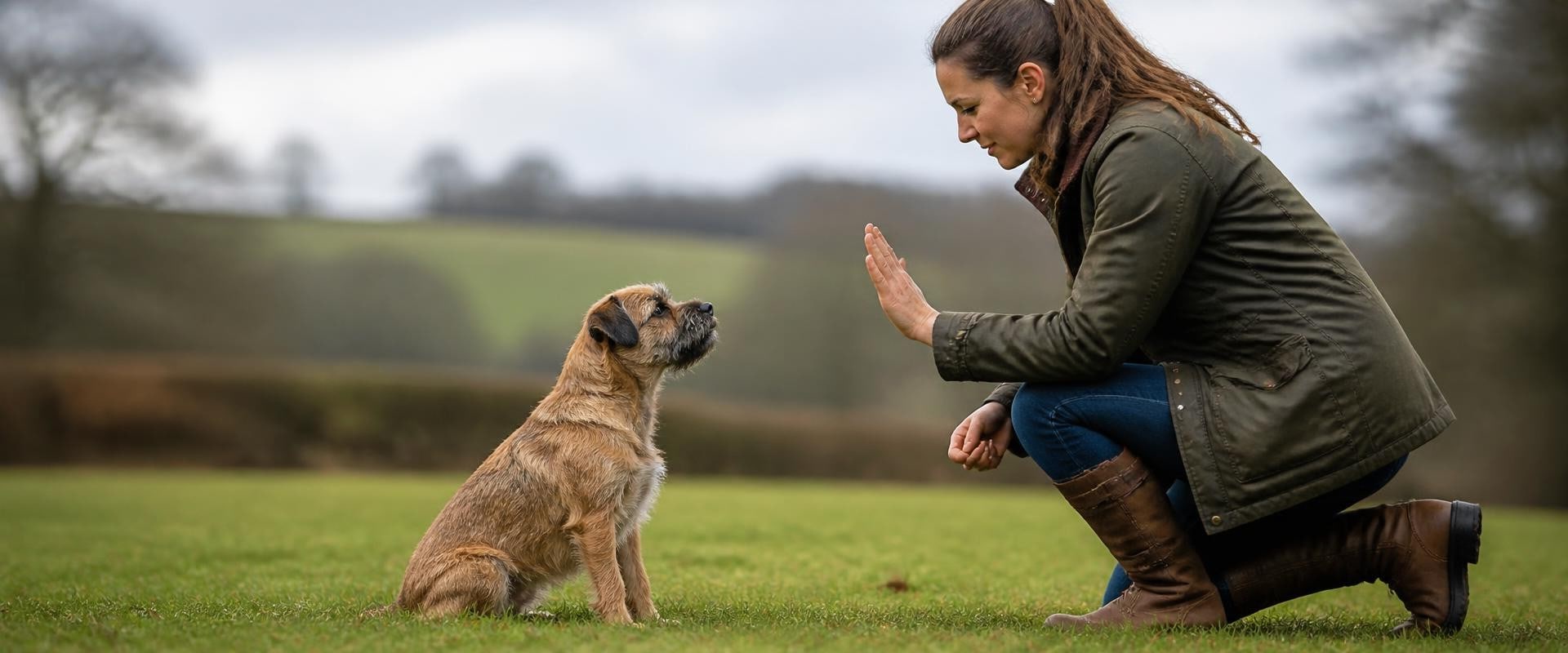
Are you ready to embark on a rewarding journey with your furry companion? Teaching commands to terriers is not just about instilling discipline; it’s about building a strong bond based on trust and communication. These spirited and intelligent dogs thrive on mental stimulation and love to learn, making them perfect candidates for command training. In this article, we will explore effective strategies and techniques that can transform your terrier into a well-behaved, obedient pet. From simple commands like 'sit' and 'stay' to more advanced tricks, our step-by-step guide will equip you with the knowledge needed to engage your terrier in a fun and positive manner. Whether you're a first-time dog owner or looking to reinforce your terrier's existing skills, understanding the unique characteristics of these breeds is crucial for successful training. Terriers are known for their energy and tenacity, which can sometimes pose challenges during training sessions.
However, with patience, consistency, and the right approach, you can harness their enthusiasm and channel it into learning. Join us as we delve into the world of effective command training for your terrier. You’ll discover tips on how to motivate your dog, the importance of positive reinforcement, and how to create a structured training environment that fosters success. Let’s turn those playful antics into reliable commands that will enhance your life together!When it comes to teaching commands to terriers, it is essential to understand the unique characteristics of these spirited dogs. Terrier breeds, known for their strong prey drive and independent nature, often require tailored training methods to achieve success.
Their intelligence and energy can make training both a rewarding and challenging experience. Owners must recognize that while terriers are quick learners, they can also be easily distracted and may not always follow commands if they find something more interesting. One of the most effective methods for training terriers is positive reinforcement. This technique involves rewarding your dog with treats, praise, or playtime whenever they successfully perform a command. For example, when teaching the command 'sit,' you should first ensure you have your dog's attention.
Hold a treat close to their nose, then slowly raise it above their head. As their head follows the treat, their bottom will naturally lower to the ground. The moment they sit, praise them enthusiastically and offer the treat. This immediate reward helps them associate the action with a positive outcome. Consistency is another critical factor in teaching commands.
Use the same word and tone for each command so that your terrier can easily understand what is being asked of them. For instance, if you use 'stay' one day and 'wait' another, your dog may become confused. Establishing a consistent routine will help reinforce learning. Patience is equally important; some terriers may take longer than others to grasp commands.
If your dog does not respond immediately, remain calm and try again without showing frustration. To teach the command 'stay,' begin by asking your dog to sit. Once they are seated, open your palm towards them and say 'stay' in a firm but gentle tone. Take a step back while maintaining eye contact. If they remain in position, return to them and reward them with praise and a treat.
Gradually increase the distance and duration over time, ensuring that they understand they must stay until you release them. The command 'come' is vital for safety and can be taught using similar techniques. Start indoors or in a secure outdoor space free from distractions. Use a long leash if necessary for control. Call your dog’s name followed by 'come,' using an enthusiastic tone to encourage them to approach you.
When they reach you, reward them with praise or a treat. Practice this command frequently so that your terrier learns to respond promptly. The 'heel' command can be particularly important for walks. Begin by having your dog sit beside you on your left side with a treat in your hand. Say 'heel' as you begin walking forward and encourage them to stay close by rewarding them when they do so.
If they pull ahead, stop walking until they return to your side before continuing again. Handling distractions during training sessions can be challenging, especially for terriers who are naturally curious and energetic. To maintain focus, choose a quiet environment free from excessive noise or activity at first. Gradually introduce distractions as your dog becomes more proficient in following commands. For instance, practice 'sit' while someone else is walking by or while there are other dogs nearby, rewarding your terrier for maintaining focus despite these distractions. Real-life examples from terrier owners highlight the successes and challenges of command training.
One owner shared how their Jack Russell Terrier initially struggled with the 'stay' command due to its high energy levels. They found that practicing in short bursts of 5-10 minutes daily made a significant difference in their dog's learning pace. Another owner noted that using their terrier's favorite toy as a reward for completing commands motivated their pup to engage more eagerly during training sessions. Despite the joys of training, owners may encounter challenges such as stubbornness or resistance from their terriers. If your dog appears uninterested or refuses to comply with commands, it may help to reassess your approach.
Consider shortening training sessions or incorporating playtime as part of the reward system to make learning more enjoyable for them. Moreover, socialization plays an essential role in conjunction with command training. Exposing your terrier to various environments, people, and other pets helps them learn appropriate behaviors and reduces anxiety in unfamiliar situations. A well-socialized terrier is less likely to react negatively to distractions during training sessions. In conclusion, teaching commands to terriers requires understanding their unique traits and employing effective methods like positive reinforcement, consistency, and patience. By following step-by-step instructions for basic commands, handling distractions wisely, sharing real-life experiences, addressing challenges proactively, and emphasizing socialization, owners can foster better behavior in their terriers while strengthening the bond between them.
The Role of Socialization in Training
Socialization is a critical component of training commands for terriers.It involves exposing your dog to various environments, people, and other animals, which can significantly enhance their learning experience. When terriers are well-socialized, they become more adaptable and confident, making them more receptive to training. One of the primary benefits of socialization is that it helps reduce fear and anxiety in new situations. A dog that is comfortable around other dogs and people is less likely to become distracted or overwhelmed during training sessions. This allows for a more focused and effective learning environment where your terrier can better grasp commands.Additionally, socialization can reinforce the bond between you and your terrier.
Engaging in group classes or playdates not only provides opportunities for learning but also creates positive experiences. These interactions help your terrier associate training with fun and reward, which can motivate them to respond better to commands.Moreover, a well-socialized terrier can learn from observing the behavior of other dogs. Watching peers successfully follow commands can inspire your terrier to mimic those actions, speeding up the training process. Therefore, integrating socialization into your training routine is invaluable. In conclusion, prioritizing socialization as part of your terrier's training regimen will not only help them master commands but also contribute to their overall well-being and confidence.
Understanding Your Terrier's Behavior
Terriers are a unique group of dog breeds known for their spirited and lively nature.Understanding their behavior is crucial for effective command training. These dogs were originally bred for hunting and burrowing, which means they possess a strong prey drive and an instinctual need to dig and chase. This inherent energy can make training both rewarding and challenging. One of the most notable traits of terriers is their intelligence. They are quick learners who can pick up commands swiftly, but this can also lead to stubbornness.
When they decide they don’t want to follow a command, it may take extra patience and creative training techniques to encourage compliance. Another key characteristic is their high energy levels.
Terriers
often require more exercise than other breeds, which means that incorporating physical activity into training sessions can be beneficial. Keeping training sessions short, engaging, and active will help maintain their attention and enthusiasm. Furthermore, terriers are known for their independence. This trait can sometimes result in a lack of focus during training sessions as they may be more interested in exploring their environment than obeying commands.To counter this, it’s essential to create a structured training routine and use positive reinforcement techniques to motivate them. Lastly, socialization plays a vital role in a terrier's behavior. Exposing them to different environments, people, and other animals at a young age will help them develop into well-rounded companions, making training easier and more effective.
Essential Commands Every Terrier Should Know
Training your terrier to respond to basic commands is essential for effective communication between you and your furry friend.Basic commands
not only help in managing your dog's behavior but also ensure their safety and enhance their overall well-being. Here are some fundamental commands every terrier should learn:1.Sit: Teaching your terrier to sit on command is one of the first steps in training.This command helps instill discipline and can be used to calm your dog in various situations.
2.Stay:
The stay command is crucial for keeping your terrier in place, especially in potentially dangerous situations, like near traffic. It fosters patience and helps you maintain control over your dog.3.Come:
The come command is vital for ensuring your terrier returns to you when called. This command can be a lifesaver during walks or when your dog is off-leash.4.Down:
Teaching your terrier to lie down is important for both obedience and relaxation. This command can help manage hyperactivity and prepare your dog for more advanced training.5.Leave it:
This command teaches your terrier to ignore distractions or potentially dangerous items.It is essential for keeping your dog safe during walks or in social settings. By mastering these essential commands, you not only facilitate a smoother training process but also build a strong foundation for more advanced skills and tricks. Remember, consistency and positive reinforcement are key to successful training.
Overcoming Training Challenges
Training your terrier can be a rewarding journey, but it often comes with its share of challenges. Understanding these obstacles and implementing effective strategies can make a significant difference in your training experience.Consistency
is key when training terriers. These dogs thrive on routine, and inconsistent commands or training sessions can lead to confusion.Establish a regular training schedule and stick to it. Use the same commands and cues consistently so that your terrier knows what to expect. Another common challenge is the short attention span of terriers. Their energetic nature means they can quickly lose interest in training sessions. To combat this, keep training sessions short and engaging.
Aim for 5-10 minute sessions and incorporate fun activities or games to maintain their focus. Additionally, positive reinforcement plays a crucial role in overcoming training obstacles. Use treats, praise, or playtime as rewards for good behavior. This not only encourages your terrier to learn commands but also strengthens the bond between you two. Some terriers may exhibit stubbornness during training, making it essential to remain patient and adaptable. If your terrier isn’t responding to a particular command, try different methods of teaching or switch up the reward system to keep them motivated. Lastly, consider socialization as part of overcoming training challenges.
Exposing your terrier to various environments, people, and other dogs helps reduce anxiety and improves their overall behavior during training. Incorporate social outings into your routine to help them become well-adjusted companions.
Training Techniques That Work for Terriers
Teaching commands to terriers can be a fulfilling journey when approached with the right techniques. These dogs are known for their intelligence and energy, which means that the training methods must be engaging and effective. One popular technique is positive reinforcement. This method involves rewarding your terrier with treats, praise, or playtime whenever they successfully follow a command.This encourages them to repeat the behavior. Always ensure that the rewards are immediate and consistent, as this helps your terrier make the connection between the command and the reward. Another effective method is clicker training. This technique uses a small device that makes a clicking sound to mark the exact moment your terrier performs the desired action. After the click, you follow up with a reward.
This method helps your dog understand what behavior is being rewarded, making it easier for them to learn new commands. Incorporating games into your training can also be beneficial. Terriers thrive on play, so turning commands into games can help maintain their interest and focus. For instance, you might play a game of fetch while calling out commands like 'come' or 'sit' to reinforce their training in a fun way. Consistency is key in any training regimen. Ensure that all family members use the same commands and signals so that your terrier receives a clear message.
Consistent practice in various environments will also help solidify the commands in your dog’s mind. Lastly, patience is essential. Training a terrier may take time, but celebrating small victories will keep you motivated and strengthen your bond with your pet. Remember that every dog learns at their own pace, so be supportive and encouraging throughout the process.
Understanding Your Terrier's Behavior
Terriers are a unique group of dog breeds known for their intelligence, energy, and distinctive personalities. Understanding these traits is crucial for effective training.One of the most notable characteristics of terriers is their high energy levels. They were originally bred for hunting and working, which means they require plenty of physical and mental stimulation. This energy can sometimes lead to challenging behaviors if not properly managed during training sessions. Another important trait is their intelligence. Terriers are often quick learners, but this can also mean they have a tendency to be stubborn or independent-minded.
They may pick up commands rapidly, but they might also choose when to obey based on their mood. This independence can be both a blessing and a challenge in the training process. Moreover, terriers are known for their strong prey drive. This instinct can distract them during training, especially in environments filled with tempting sights and sounds. Understanding this behavior will help you to create a more effective training strategy that accommodates their natural instincts. Lastly, socialization plays a key role in a terrier's behavior.
These dogs can be quite vocal and protective, which can sometimes manifest as aggression towards other animals if not properly socialized. Early exposure to various situations, people, and other dogs is essential for developing a well-rounded temperament. By recognizing these unique traits—high energy, intelligence, prey drive, and the need for socialization—you can tailor your training approach to better suit your terrier's needs, ultimately leading to a more harmonious relationship between you and your furry companion.
Understanding Your Terrier's Behavior
Terriers are a diverse group of dog breeds known for their strong personalities and energetic nature. Understanding these unique traits is essential for effective command training. Firstly, terriers are highly intelligent, which means they can quickly grasp commands and tricks. However, this intelligence also comes with a tendency to become bored easily.Training sessions should be engaging and varied to maintain their interest. Secondly, terriers possess a strong prey drive due to their history as hunting dogs. This instinct can make it challenging to maintain their focus during training, especially if they see small animals or moving objects. Incorporating distractions gradually into training can help in teaching them to stay focused on commands. Additionally, terriers are often very spirited and have a strong will. This independence can sometimes be mistaken for stubbornness, making it crucial for owners to be patient and consistent in their training approaches.
Positive reinforcement techniques work best with terriers, as they respond well to praise and rewards. Lastly, understanding the specific breed traits within the terrier group is important. For example, some terriers may be more social and eager to please than others. Tailoring your training methods to fit your terrier's individual personality will significantly enhance the training process. In conclusion, effective command training for your terrier is not just about teaching them to obey; it is a pathway to enhancing their behavior and deepening the bond between you and your furry companion. As discussed, understanding your terrier's unique behavior is crucial in tailoring training techniques that resonate with their energetic and intelligent nature.
Remember the essential commands every terrier should know, and utilize proven training techniques to navigate the challenges that may arise. Socialization plays a pivotal role in the training journey, allowing your terrier to thrive in various environments and interactions. By fostering a positive training atmosphere filled with patience and encouragement, you will find that any terrier can effectively learn commands. We encourage you to start training early, embracing the process as a rewarding bonding experience with your terrier. Enjoy each step of the journey, as the time spent training will pay off in the form of a well-behaved and happy companion.