For life with terriers.
Caring for Your Aging Terrier: Essential Tips and Insights
Explore essential care tips, health advice, and grooming techniques for aging terriers, along with the latest breed news.
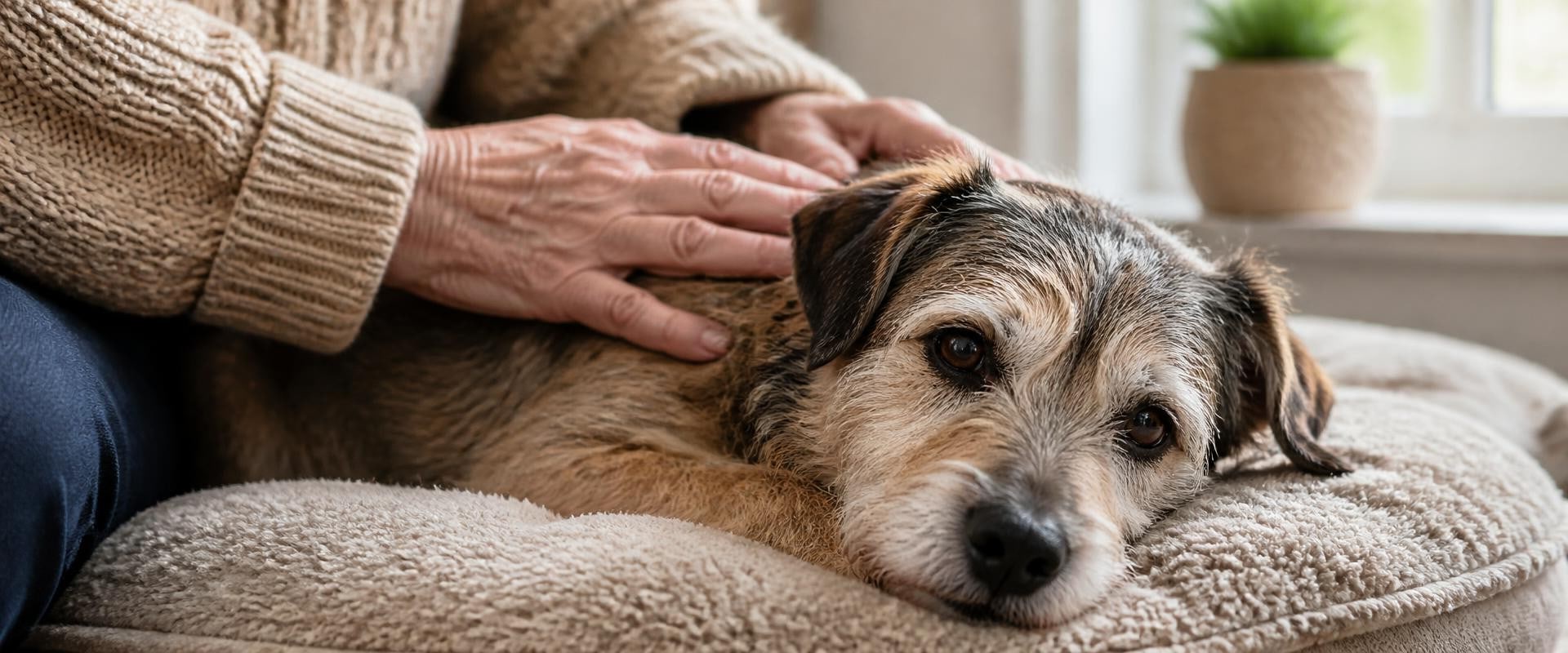
As our beloved furry companions grow older, their needs change significantly.
Caring for aging terriers
requires a deep understanding of their unique physical and emotional challenges, ensuring they enjoy their golden years to the fullest. The transition from a lively pup to a senior dog can be both heartwarming and heart-wrenching, as we witness the signs of aging that accompany our terriers. This journey not only tests our commitment as pet owners but also enriches the bond we share with these spirited breeds. In this article, we will explore essential tips and insights into caring for your aging terrier.From dietary adjustments to mental stimulation and veterinary care, we will provide you with practical advice tailored to the needs of senior terriers. Understanding how to adapt your care routine can make a significant difference in your dog's quality of life, helping them remain healthy and happy. Join us as we delve into the world of senior terrier care, equipping you with the knowledge and tools necessary to ensure your furry friend remains vibrant and cherished in their later years. Whether you're a seasoned terrier owner or new to the breed, you'll find valuable information that speaks directly to the heart of caring for aging terriers.Caring for your aging terrier requires a nuanced understanding of their unique characteristics and common health issues that can arise as they age. Terriers are known for their energetic and spirited nature, but as they grow older, they may face various challenges that necessitate adjustments in their care.
It's crucial to recognize these aspects to ensure a long and healthy life for your furry companion. One of the most important aspects of caring for aging terriers is ensuring they receive regular vet check-ups. Routine veterinary visits are essential for monitoring their health and catching any potential issues early on. During these check-ups, veterinarians can assess for common age-related conditions such as arthritis, which can lead to joint pain and mobility issues, or dental problems, which are prevalent in older dogs. Preventative care and timely interventions can significantly impact your terrier's quality of life. In addition to regular veterinary care, it is important to monitor your aging terrier for signs of discomfort or changes in behavior.
Changes in appetite, lethargy, or difficulty in movement can indicate underlying health problems that need to be addressed promptly. Understanding the common health issues associated with aging terriers allows you to provide better care and support. Dietary adjustments play a crucial role in maintaining your terrier's health as they age. Older dogs may have different nutritional needs than their younger counterparts. It's essential to consult with your veterinarian about the best diet for your aging terrier, which may include options like senior dog food formulated to support joint health or weight management.
Keeping an eye on their weight is also vital, as obesity can exacerbate health issues. When it comes to exercise, it's important to tailor routines to suit your senior terrier's abilities. Gentle exercise routines can help maintain their mobility without overexerting them. Activities such as short walks or light play sessions are ideal for keeping them active while respecting their limits. Remember that consistency is key, and adapting the intensity and duration of exercise will benefit your terrier's overall well-being. Grooming practices may also need to be adjusted for older dogs.
As terriers age, they might develop more sensitive skin or experience changes in their coat condition. More frequent brushing may be necessary to remove loose hair and prevent matting, and using specialized shampoos that cater to senior dogs can help maintain their coat's health. Regular grooming not only helps keep your terrier looking good but also allows you to check for any unusual lumps or skin issues that may arise. Understanding the history and characteristics of popular terrier breeds can further enhance your approach to caring for an aging terrier. For instance, the Jack Russell Terrier is known for its high energy levels and tenacity, which may continue into their senior years.
However, owners should be aware of breed-specific concerns such as patellar luxation or certain skin conditions that may become more pronounced with age. Similarly, the West Highland White Terrier, often known as 'Westies,' may face challenges related to allergies and skin irritations as they grow older. Being informed about these breed-specific issues allows you to tailor care accordingly. While most pet owners aim to provide the best care possible for their aging terriers, disagreements on care approaches can arise, particularly regarding training methods or dietary choices. Some may advocate for traditional training techniques while others prefer positive reinforcement methods.
Similarly, opinions on the best diet for senior dogs can vary widely—from grain-free options to those emphasizing whole ingredients. It's important to approach these discussions with an open mind, recognizing that different strategies may work better for different dogs based on individual needs. In conclusion, caring for an aging terrier involves a comprehensive approach that encompasses health monitoring, dietary adjustments, exercise routines, grooming practices, and an understanding of breed characteristics. By paying attention to these aspects and being adaptable in your care strategies, you can help ensure that your beloved terrier enjoys a comfortable and fulfilling life well into their golden years.
Grooming Techniques for Aging Dogs
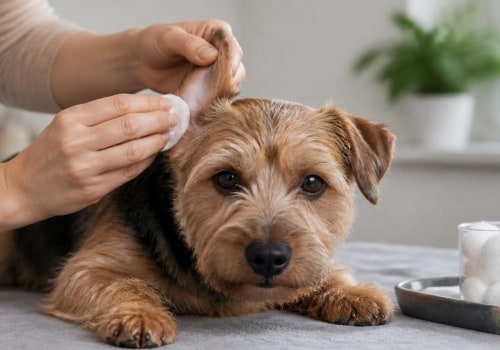
As your beloved terrier ages, their grooming needs may change significantly.Caring for aging terriers
requires special attention to ensure their comfort and well-being.One of the first things to consider is the frequency of grooming sessions. Older dogs may benefit from more regular grooming to prevent matting and to keep their coats healthy. Additionally, pay close attention to your terrier's skin condition. Aging can lead to drier skin, so using a gentle, moisturizing shampoo during baths is crucial. Make sure to brush your dog’s coat regularly; this helps stimulate the skin and distribute natural oils, which can alleviate dryness. Another important aspect is nail care.
Older terriers might be less active, leading to less natural nail wear. Regularly trimming their nails is essential to prevent discomfort and potential health issues. If you're unsure how to trim their nails safely, consider consulting a professional groomer or veterinarian. Don't forget about dental care! Dental hygiene is vital for all dogs, especially seniors. Regular brushing and dental check-ups can help prevent tooth decay and gum disease, which can affect their overall health. Finally, observe any changes in your terrier’s sensitivity to grooming.
Some aging dogs may become more sensitive or anxious during grooming sessions. Be patient and gentle, using positive reinforcement to create a calming environment.
Training Older Terriers
As your aging terrier enters its golden years, it is essential to adapt your training methods to suit their changing needs. Senior terriers may not have the same energy levels or physical agility as they did in their youth, but with the right approach, you can still effectively train them. One of the most important modifications in training older terriers is the emphasis on patience.Recognize that older dogs may take longer to respond to commands or may need more time to learn new behaviors. It is crucial to remain calm and understanding, allowing your terrier the space to process information without feeling rushed or pressured. Additionally, using positive reinforcement techniques is vital when training senior terriers. Older dogs often respond better to rewards such as treats, praise, or affection rather than harsh corrections or negative reinforcement. By rewarding desired behaviors, you can encourage your aging terrier to engage and participate in training sessions more willingly. Consider incorporating short, frequent training sessions that cater to your senior terrier's attention span and energy levels.
This approach not only makes training more manageable for them but also helps maintain their mental stimulation, which is important for their overall well-being. In summary, training older terriers requires a shift in perspective towards patience and positive reinforcement. By adapting your methods, you can continue to strengthen your bond with your furry companion while ensuring their learning experience remains enjoyable and rewarding.
Health Tips for Senior Terriers
Caring for your aging terrier requires a proactive approach to preventative care. Regular veterinary check-ups are essential as they help detect health issues early. Aim for bi-annual visits, where your vet can perform thorough examinations and recommend necessary screenings, such as blood tests and dental check-ups.These screenings can identify potential problems like arthritis, heart disease, or dental issues before they become severe. Nutrition plays a crucial role in the health of senior terriers. As dogs age, their metabolism slows down, and their nutritional needs change. Consider switching to a high-quality senior dog food that is lower in calories but rich in essential nutrients. Look for options that include omega fatty acids for joint health and antioxidants to support the immune system.
Always consult your veterinarian before making any significant changes to your dog's diet to ensure it meets their specific needs. Additionally, maintaining a healthy weight is vital for senior terriers. Obesity can exacerbate existing health conditions and lead to new ones. Monitor their food intake and adjust portion sizes as necessary, along with providing regular exercise suited to their energy levels. Simple activities like short walks or gentle playtime can keep them active without overexerting them. Lastly, don’t forget about mental stimulation.
Engaging your aging terrier with puzzle toys or training exercises can help keep their mind sharp and reduce anxiety. Regular social interaction with other pets and humans also contributes to their overall well-being.
Understanding Aging in Terriers
As terriers age, they undergo a variety of physiological changes that can significantly impact their overall health and behavior. One of the most noticeable changes is a decline in mobility. Just like humans, aging terriers may experience arthritis or joint stiffness, which can make it difficult for them to engage in activities they once enjoyed.Regular exercise tailored to their ability is essential, but owners should monitor for signs of discomfort. Another critical aspect of aging in terriers is their dental health. Many senior terriers suffer from periodontal disease, which can lead to pain and difficulty eating. Regular dental check-ups and proper oral hygiene at home can help mitigate these issues. Cognitive decline is also a concern for aging terriers. Conditions such as canine cognitive dysfunction (similar to dementia in humans) can manifest as disorientation, disrupted sleep patterns, and changes in behavior.
Owners should be vigilant for these signs and consult with their veterinarian for guidance on management strategies. Additionally, as terriers age, their metabolism slows down. This change can lead to weight gain if their diet is not adjusted accordingly. It’s important for owners to provide a balanced diet that meets the specific needs of senior terriers, focusing on high-quality ingredients while managing portion sizes. Lastly, senior terriers may become more prone to certain health issues such as heart disease, kidney problems, and various cancers. Regular veterinary check-ups are crucial for early detection and prevention of these common ailments.
Understanding these physiological changes helps owners provide tailored care that enhances the quality of life for their beloved companions.
Connecting with Other Terrier Enthusiasts
Connecting with fellow terrier enthusiasts can significantly enhance your journey in Caring for aging terriers. Engaging with a community not only provides support but also offers valuable insights and resources to improve the quality of life for your furry friend. One of the best ways to connect is through local dog clubs and breed-specific organizations. Many cities have terrier clubs that host regular meetings, training sessions, and social events. These gatherings are excellent opportunities to meet other owners, share experiences, and learn about the best practices in senior terrier care.Additionally, online forums and social media groups dedicated to terriers can be invaluable.Websites like Facebook, Reddit, and breed-specific forums provide platforms where you can ask questions, share stories, and receive advice from seasoned terrier owners. Participating in these online communities allows you to stay updated on the latest health tips and care strategies. Don’t forget about attending dog shows or breed expos. These events often feature seminars on aging terrier care and provide a unique chance to meet breeders, trainers, and veterinarians who specialize in terriers. Networking at such events can lead to lasting friendships and support systems among fellow dog lovers. Finally, consider joining local or national rescue organizations.
Many rescues host events that not only focus on adoption but also include educational sessions on caring for older dogs. This engagement can deepen your understanding of the specific needs of aging terriers while contributing positively to the community. In essence, connecting with other terrier enthusiasts opens up a wealth of knowledge and camaraderie that can make the journey of Caring for aging terriers much more rewarding. In conclusion, Caring for aging terriers requires a comprehensive understanding of their unique characteristics and the common health issues they face as they grow older. We have explored essential topics such as Understanding Aging in Terriers, Health Tips for Senior Terriers, Training Older Terriers, and Grooming Techniques for Aging Dogs. Each of these aspects is crucial in ensuring that your beloved terrier enjoys a comfortable and fulfilling life as they age. Moreover, it is vital to recognize that every terrier breed has specific needs that may evolve over time.
By staying informed and adapting your care strategies accordingly, you can significantly enhance your dog’s quality of life. Connecting with other terrier enthusiasts can also provide invaluable support and shared experiences, making the journey of caring for your senior terrier more enjoyable and less daunting. Ultimately, your commitment to understanding and meeting the needs of your aging terrier will not only improve their health but also strengthen the bond you share. Remember, each paw print left on your heart is a testament to the love and care you provide.