For life with terriers.
Essential House Training Tips for Terriers
Discover effective house training tips specifically tailored for terriers, covering techniques, health considerations, and insights into their unique characteristics.
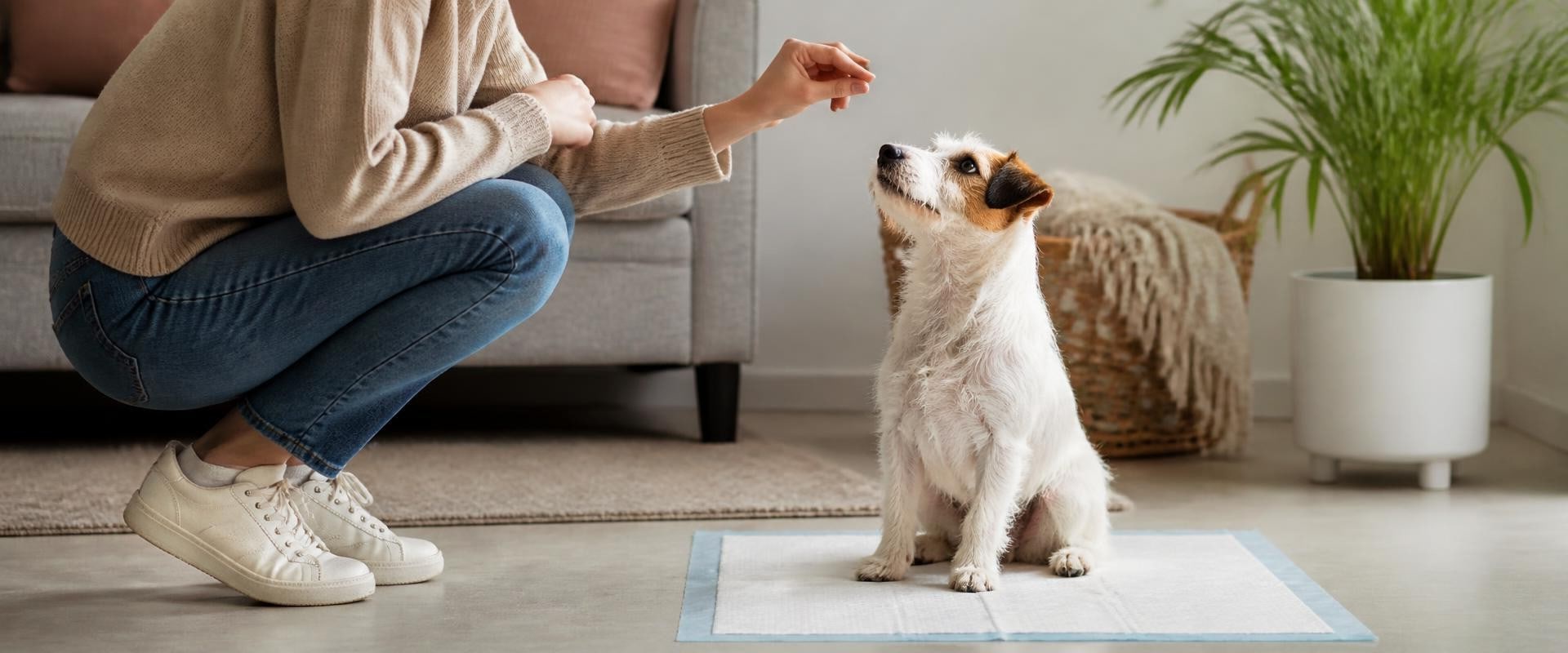
Bringing a terrier into your home is a delightful experience, but it also comes with its own set of challenges, particularly when it comes to house training. These spirited and intelligent dogs are known for their energetic personalities, which can sometimes make the process of house training feel overwhelming. Whether you're a first-time dog owner or a seasoned pro, mastering the art of house training is essential for fostering a harmonious relationship between you and your furry friend. In this comprehensive guide, we will explore essential house training tips for terriers, tailored specifically to their unique characteristics and behaviors. From establishing a consistent routine to understanding the nuances of their temperament, each tip will equip you with the knowledge needed to navigate the house training journey with confidence.
You'll learn how to create an environment conducive to success, the importance of positive reinforcement, and strategies to overcome common obstacles. By implementing these proven techniques, not only will you enhance your terrier's learning experience, but you'll also strengthen the bond between you and your pet. So, if you're ready to embark on the rewarding path of house training your terrier, keep reading to discover the essential tips that will make this journey as smooth as possible!House training is an essential aspect of owning a terrier, as these breeds are known for their intelligence and high energy levels. Understanding the unique challenges that come with training terriers can significantly ease the process. Common issues faced by terrier owners include stubbornness and an abundance of energy, both of which require a consistent and patient approach to training.
Utilizing effective methods of house training will not only help establish a routine but also contribute to a harmonious living environment for both the dog and the owner. One popular method of house training terriers is crate training. This technique capitalizes on a dog's natural instinct to avoid soiling their sleeping area. When using a crate, it's important to choose one that is appropriately sized—large enough for the dog to stand, turn around, and lie down comfortably, but not so large that they can use one corner as a bathroom. Begin by introducing the crate positively, encouraging your terrier to enter with treats and praise.
Once they are comfortable, gradually increase the duration they spend inside while you’re home, ensuring they are let out frequently to prevent accidents. This method works particularly well for terriers due to their intelligent nature; they quickly learn that the crate is a safe space. Another effective strategy is establishing scheduled potty breaks. Terriers thrive on routine, making it essential to take them outside at regular intervals throughout the day. A typical schedule might involve taking your terrier out first thing in the morning, after meals, after playtime, and before bedtime.
This predictability helps them learn when it's time to go outside. When you take your terrier out, be sure to use a consistent command, such as 'go potty,' to help them associate the phrase with the action. After they do their business outside, reward them immediately with praise or treats. This positive reinforcement solidifies the behavior and encourages them to repeat it in the future. Recognizing signs that your terrier needs to go outside is also crucial for successful house training.
Watch for behaviors such as sniffing around, whining, circling, or heading towards the door. If you observe any of these signs, take your terrier outside right away. Consistently responding to these cues will help reinforce their ability to communicate their needs effectively. Accidents in the house can be frustrating for owners, but they are often a normal part of the house training process. If accidents occur, it’s important not to punish your terrier; instead, clean up thoroughly with an enzymatic cleaner designed for pet messes to eliminate lingering odors that might encourage repeat offenses.
To prevent accidents indoors, maintain a close eye on your terrier during the initial stages of training and consider using baby gates or leashes to limit their access to certain areas of the house. Establishing a consistent routine is key in house training terriers. Dogs thrive on predictability; thus, having set times for meals, playtime, and potty breaks creates a structure that helps them understand expectations. Patience is also vital—every dog learns at their own pace. Celebrate small victories along the way and remain calm during setbacks; this approach fosters a positive learning environment. Lastly, maintaining a clean environment can significantly impact house training success.
Regularly cleaning areas where accidents have occurred not only keeps your home fresh but also discourages your terrier from returning to those spots. In addition, consider how health issues may affect your dog's ability to be successfully house trained; conditions such as urinary tract infections or gastrointestinal problems can hinder progress. If you suspect health issues are at play or if accidents persist despite consistent training efforts, consult with your veterinarian for guidance. In conclusion, applying various methods like crate training, establishing scheduled potty breaks, and using positive reinforcement can greatly enhance the effectiveness of house training for terriers. By recognizing signs of needing to go outside and maintaining a clean living space while being patient and consistent, you can successfully navigate the challenges of house training these energetic and intelligent dogs.
Health Considerations
House training a terrier can be a rewarding experience, but certain health issues can complicate the process.It's important to recognize that physical ailments may interfere with a dog's ability to hold their bladder or bowels. Conditions such as urinary tract infections, gastrointestinal disorders, or even more serious health concerns can lead to accidents inside the house. For terrier owners, observing your dog's behavior is crucial. If you notice a sudden change in their potty habits or an increase in accidents, it could be a sign of an underlying health problem. In such cases, it's vital to consult with a veterinarian to rule out any medical issues that may be affecting your dog's house training. Additionally, certain medications can impact a dog’s urinary control, making it more difficult for them to adhere to the house training routine.
Always keep your veterinarian informed about any changes in your terrier's behavior or health status, and seek professional advice when needed. Addressing health concerns promptly can not only aid in successful house training but also contribute to the overall well-being of your furry friend.
Effective House Training Techniques
When it comes to house training tips for terriers, employing effective techniques is essential. One of the most successful methods is crate training. This technique utilizes a crate as a safe space for your terrier, capitalizing on their natural instincts to keep their living area clean.Start by introducing your terrier to the crate, ensuring it is comfortable and inviting. Gradually increase the time they spend inside, always associating the crate with positive experiences such as treats and praise. Consistency is another critical element in the house training process. Establish a routine by taking your terrier outside at regular intervals, especially after meals, playtime, or waking up. Use a specific spot outdoors for bathroom breaks, and consistently take them to this location.
This helps your terrier learn to associate that spot with going to the bathroom. Positive reinforcement plays a crucial role in successful house training. Whenever your terrier eliminates outside, immediately reward them with treats and enthusiastic praise. This reinforces the desired behavior and encourages them to repeat it. Conversely, if accidents happen indoors, avoid punishment; instead, clean up without fuss and continue reinforcing outdoor bathroom breaks. By combining crate training, consistency, and positive reinforcement, you can effectively train your terrier and establish good habits that contribute to a harmonious living environment.
Understanding Terrier Traits
Terriers are a unique group of dog breeds known for their energetic and spirited nature.One of the defining traits of terriers is their strong hunting instinct, which can significantly impact the house training process. These dogs were originally bred for hunting vermin, and their innate desire to dig, chase, and explore can make them more challenging to train than some other breeds. The high energy levels associated with terriers mean they require ample physical and mental stimulation. This need for activity often translates into difficulty focusing on training tasks if they have not expended some of that energy beforehand. Therefore, it’s essential for terrier owners to incorporate plenty of exercise into their daily routines to help facilitate a successful house training experience. Additionally, terriers are known for their stubbornness.
This trait can sometimes manifest as resistance to commands or an unwillingness to follow training protocols. To effectively house train a terrier, it's vital to employ consistent methods and positive reinforcement techniques. By rewarding desired behaviors rather than punishing mistakes, owners can encourage their terrier to engage positively with the training process. Understanding these unique characteristics of terriers will enable owners to better tailor their house training strategies, ultimately leading to a more harmonious living environment for both the dog and the owner.
Recognizing Bathroom Signals
Understanding your terrier's bathroom signals is a crucial step in successful house training. Terriers are known for their intelligence and energy, but they can also be quite stubborn.This means that recognizing when they need to go outside can sometimes be a challenge. However, by paying close attention to their behavior, you can develop a better communication system with your furry friend. One of the most common signals that your terrier needs to go out is restlessness. If you notice your dog pacing around the room, sniffing at the ground, or circling in one spot, these actions may indicate that it's time for a bathroom break. Additionally, some terriers will sit by the door or even whine when they need to go out, which are clear signs that they want to communicate their needs. Another important aspect to observe is their behavior after meals or long periods of play.
Dogs typically need to relieve themselves shortly after eating or drinking, so keeping an eye on them during these times can lead to successful outings. Furthermore, if your terrier suddenly becomes quiet or hides away, it might be a sign they are seeking a private space to relieve themselves. Overall, being attentive to these bathroom signals will help you respond promptly and reinforce positive habits in your terrier. The more you learn about their unique cues, the easier it will become to establish a routine that works for both of you.
Common Challenges and Solutions
House training terriers can present unique challenges due to their distinct personalities and behaviors. Understanding these challenges is crucial for successful training.Stubbornness
is a common trait among terriers.They may choose to ignore commands or act independently, making it difficult to establish a routine. To overcome this, owners should implement positive reinforcement techniques. Rewarding desired behaviors with treats or praise encourages terriers to repeat those actions. Another challenge is their high energy levels, which can lead to distractions during training sessions. To manage this, it’s beneficial to schedule training sessions after exercise.
A well-exercised terrier is more likely to focus and respond to commands. Inconsistent routines can confuse terriers and hinder the house training process. Establishing a consistent schedule for bathroom breaks is essential. Take your terrier outside at regular intervals, especially after meals or naps, to reinforce the desired behavior. Accidents in the house can be discouraging for owners. Instead of punishing the dog, which can lead to fear and anxiety, owners should clean up thoroughly and redirect the dog outside.
Using an enzymatic cleaner can help eliminate odors that might encourage repeat accidents. Lastly, patience is key. House training takes time, and every dog learns at their own pace. Celebrate small victories along the way to maintain motivation for both the owner and the dog. In conclusion, house training your terrier is a vital step in fostering a well-behaved and happy companion. By understanding the unique traits of your dog, such as their intelligence and energy levels, you can tailor your approach to fit their needs.
Patience and consistency are key components in this journey, as is recognizing and responding to their bathroom signals effectively. Throughout the training process, you may encounter challenges, but remember that these hurdles can often be overcome with positive reinforcement and a firm understanding of your dog's behavior. It's essential to maintain a positive attitude and stay persistent, as every terrier learns at its own pace. Celebrate the small victories along the way, and don’t hesitate to seek support if needed. With dedication and love, you will create a harmonious living environment for both you and your beloved terrier.