For life with terriers.
Exploring the Evolution of Terrier Breeds Through History
Discover the historical breeding practices of terrier breeds, their evolution, care tips, and community connections for enthusiasts.
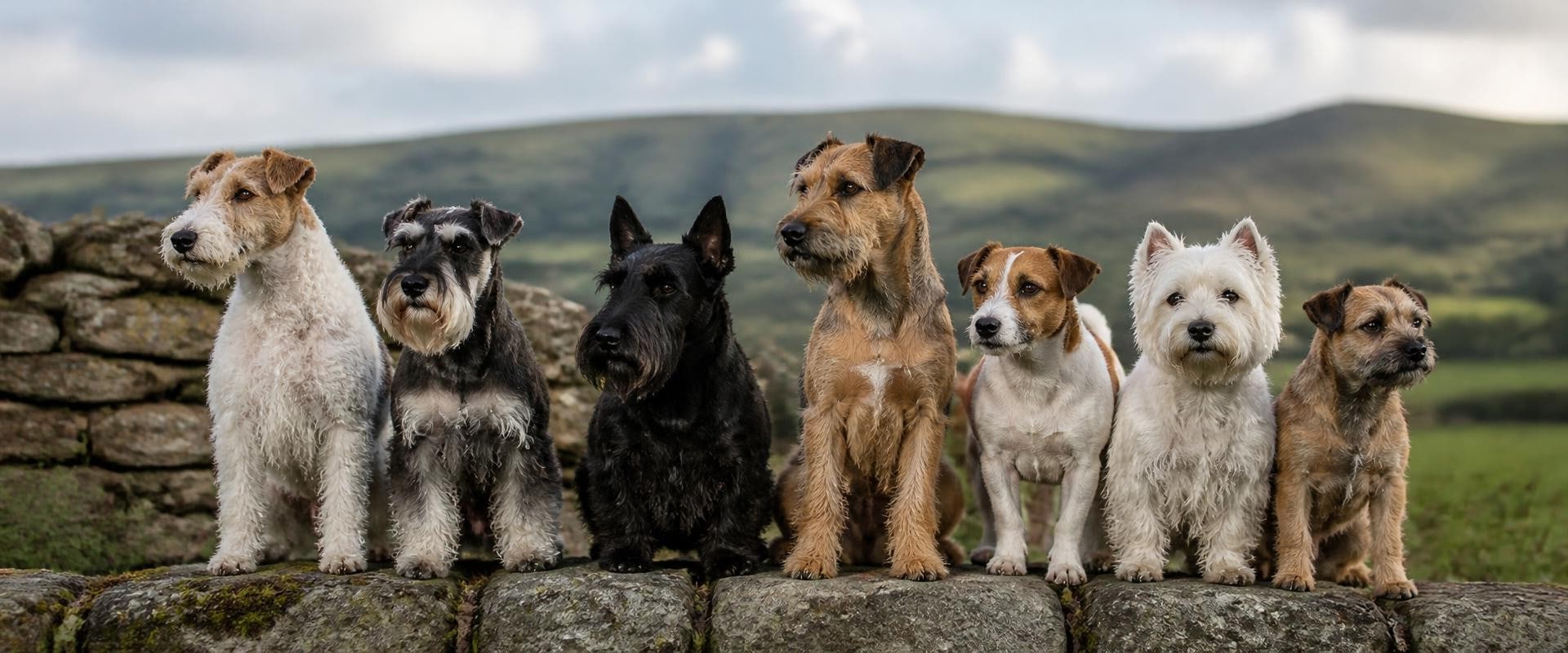
Throughout history, the breeding practices in history have significantly shaped the characteristics and abilities of various dog breeds. Among these, terriers stand out as a fascinating example of how human intervention has influenced canine evolution. From their origins as fierce hunters of vermin to their modern roles as beloved companions, the journey of terrier breeds is a testament to the adaptability and resilience of these spirited canines. The story of terriers is not just about their physical attributes but also about the rich tapestry of cultural influences that have molded them over centuries. Each breed has a unique narrative shaped by the environments in which they were bred, the tasks they were meant to perform, and the people who cherished them.
The evolution of terrier breeds reflects broader societal changes, including shifts in hunting practices, agricultural developments, and even urbanization. As we delve into the exploration of the evolution of terrier breeds through history, we will uncover the intricate relationship between human choices and canine traits. We will examine how specific breeding practices have led to the development of distinct personalities and abilities among terriers, revealing not only their adaptability but also the profound bond shared between humans and these remarkable dogs. Join us as we embark on this historical journey, discovering the legacy of terrier breeds and how they have become integral members of our families and communities. The evolution of terrier breeds is a fascinating journey that reflects the changing needs and values of society throughout history. Originally bred in the British Isles, terriers were designed primarily for their utility in hunting vermin and other small game.
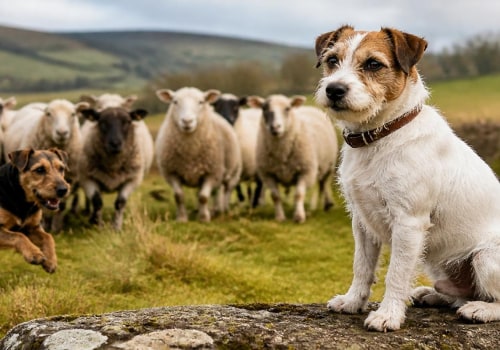
Their tenacity, energy, and intelligence made them invaluable companions for farmers and rural communities. As these breeds developed, so too did the practices surrounding their breeding, influenced by the practical demands of the time. In the early days, the breeding practices for terriers were largely unregulated and focused on performance rather than appearance. Farmers would select dogs based on their ability to catch rats or flush out foxes from their burrows. This practical approach meant that traits such as agility, determination, and a strong prey drive were prioritized over aesthetic qualities.
For instance, the Jack Russell Terrier, known for its remarkable hunting abilities, was bred to work alongside hounds during fox hunts, showcasing the importance of functionality over form. As societies evolved, so did the roles of terriers. The Victorian era marked a significant shift as dog shows began to gain popularity, leading to a new focus on breed standards and aesthetic features. Breeders started to select for specific physical traits, which often overshadowed the original working capabilities of these dogs. The Staffordshire Bull Terrier, for example, was bred not only for its strength and courage in the pit but also for its appealing appearance to potential owners who valued companionship alongside performance.
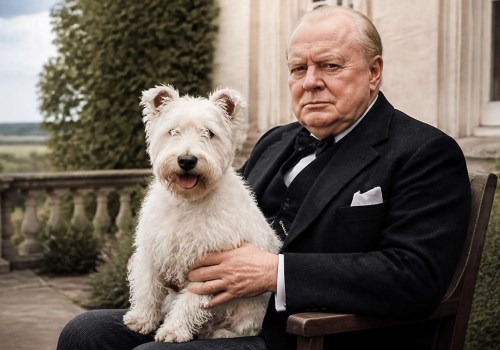
This shift reflected a broader societal change where pets became more than just working animals; they became beloved family members. The influence of societal needs on breeding practices can also be seen in the development of the Boston Terrier. Bred in the late 19th century as a companion dog, the Boston Terrier's playful demeanor and affectionate nature made it an ideal pet for urban dwellers. This breed's evolution highlights how changing living conditions and human lifestyles directly influenced breeding choices, steering them towards traits that enhanced companionship rather than utilitarian functions. However, as breeding practices became more standardized and selective, certain health issues emerged as common challenges within many terrier breeds. For instance, conditions such as hip dysplasia in West Highland White Terriers or allergies in American Pit Bull Terriers have been linked to selective breeding practices that prioritized particular physical characteristics over overall health.
Understanding these health issues is crucial for modern owners and breeders alike, as it underscores the need for responsible breeding practices that prioritize the well-being of the dogs. Training methods have also evolved in response to historical uses of terriers. With their strong prey drive and high energy levels, traditional training often relied on aversive techniques to control behavior. However, contemporary approaches emphasize positive reinforcement and socialization, recognizing the importance of nurturing a dog's natural instincts while providing appropriate outlets for their energy. Today’s trainers advocate for methods that build trust and strengthen the bond between dog and owner, reflecting a shift towards more humane treatment of animals. Modern breeding practices contrast sharply with historical ones, raising ethical considerations among breeders and enthusiasts.
The rise of designer breeds and the popularity of specific traits have prompted discussions about the welfare of dogs bred primarily for looks rather than health or temperament. Responsible breeders today are increasingly aware of their ethical obligations to produce healthy dogs that adhere to breed standards without compromising individual well-being. The importance of community events has also grown significantly over time. Dog shows, agility competitions, and terrier festivals foster a sense of camaraderie among owners while promoting responsible ownership and care practices. These gatherings provide resources for education on breed-specific needs and health issues while encouraging adoption from shelters or rescue organizations dedicated to helping terriers in need.
The focus on community support highlights how societal attitudes toward pet ownership continue to evolve. While there are ongoing discussions about breeding practices and standards within various communities, it's essential to recognize the diversity of opinions that exist regarding what constitutes a 'pure' terrier breed. Some advocates push for stricter regulations to ensure ethical breeding practices, while others argue for maintaining traditional methods that celebrate historical characteristics. This debate underscores the dynamic nature of canine culture as it continues to adapt to changing societal values. In conclusion, exploring the evolution of terrier breeds through history reveals how deeply intertwined these dogs are with human society. From their origins as working dogs to their current status as cherished companions, understanding their historical context can enhance our care practices today.
By recognizing the influences that shaped their development over time, we can better appreciate these remarkable breeds while advocating for responsible ownership and ethical breeding practices moving forward.
The Origins of Terrier Breeds
The origins of terrier breeds can be traced back several centuries, primarily in the British Isles, where they were developed for specific tasks such as hunting and pest control. These small yet tenacious dogs were bred to be agile and resilient, traits that made them invaluable in the field. Early terriers were essential companions for farmers and hunters, effectively managing vermin populations and assisting in the pursuit of game. Terriers were originally utilized to hunt burrowing animals like rats, rabbits, and foxes. Their keen sense of smell and determination allowed them to track down prey in tight spaces, making them particularly well-suited for these roles.The word 'terrier' itself is derived from the Latin word 'terra,' meaning earth, which reflects their expertise in digging out creatures hidden beneath the ground. In addition to their hunting prowess, terriers also played a significant role in the lives of people in rural communities. They provided companionship and protection, often forming strong bonds with their human counterparts. As society evolved, so did the roles of these breeds; while their primary functions may have shifted over time, their spirit and character remained an integral part of their identity. Understanding the historical significance of terrier breeds not only highlights their contributions to human society but also enhances our appreciation for them as pets today. As we explore the evolution of these remarkable dogs, we can better understand their unique needs and care practices that stem from their rich heritage.
Modern Care for Terrier Breeds
As we delve into the modern care practices for terrier breeds, it is essential to recognize that each breed has unique needs that reflect their historical roles.Terriers were originally bred for specific tasks, such as hunting vermin or herding, which influences their health and care requirements today. Firstly, health care is paramount. Regular veterinary check-ups are crucial, as terriers can be prone to certain genetic conditions. For instance, the Jack Russell Terrier often faces issues like patellar luxation and eye problems. Early diagnosis and preventive care can significantly enhance their quality of life. Grooming is another critical aspect of modern care.
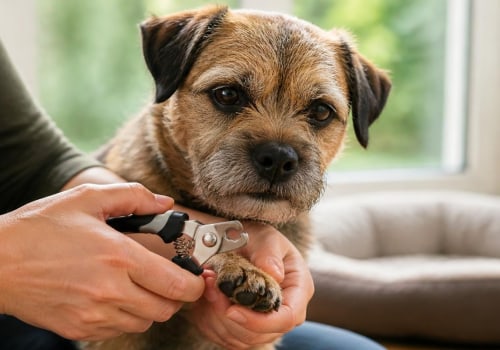
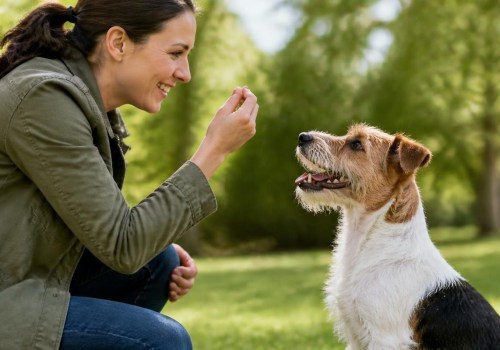
Terriers typically have wiry coats that require specific grooming techniques. Breeds like the Airedale Terrier benefit from regular hand-stripping to maintain their coat texture and prevent matting. It is advisable to establish a grooming routine early in a puppy's life to acclimate them to the process. When it comes to training, terriers are known for their intelligence and stubbornness. Positive reinforcement techniques work best with these breeds.
Engaging in obedience training not only helps in managing their energetic nature but also strengthens the bond between owner and dog. Consistency and patience are key, as terriers thrive on mental stimulation. Finally, understanding the historical significance of each breed can inform better care practices today. For example, the Scottish Terrier, originally bred for hunting, requires ample exercise to channel its energy effectively. By recognizing their lineage, owners can tailor their activities and care routines to suit the needs of their specific terrier breed.
Connecting with the Terrier Community
Terrier breeds have long been cherished not only for their working capabilities but also for their vibrant personalities and loyalty.As we explore the evolution of these breeds, it's essential to connect with the broader terrier community, which plays a crucial role in preserving their heritage and promoting responsible ownership. One of the best ways to engage with fellow terrier enthusiasts is by attending breed-specific events. Dog shows, competitions, and breed meetups offer opportunities to learn more about various terrier breeds, share experiences, and showcase your own dogs. These gatherings often feature expert speakers who discuss topics ranging from training techniques to health considerations specific to terriers. Additionally, numerous organizations and clubs dedicated to terriers provide resources for both new and seasoned owners. The American Kennel Club (AKC) and various breed clubs host events that include educational seminars, health clinics, and social gatherings.
By becoming a member of these organizations, you gain access to valuable information, support networks, and potential adoption resources. Speaking of adoption, there are many avenues through which you can find a terrier in need of a loving home. Local shelters and rescue organizations often have terriers available for adoption. Engaging with these groups not only helps you find a new companion but also connects you with a passionate community dedicated to the welfare of these remarkable dogs. In conclusion, participating in community events and utilizing available resources can deepen your appreciation for terrier breeds and enhance your role as a responsible owner. Embracing the connections within the terrier community allows us to honor their rich history while ensuring their future remains bright.
Breeding Practices Through the Ages
The evolution of breeding practices for terrier breeds reflects a fascinating intersection of human needs and societal expectations.From their origins as versatile working dogs to their current roles as beloved companions, the breeding practices of terriers have undergone significant transformations throughout history. In the early days, terriers were primarily bred for their ability to hunt vermin and assist in agricultural tasks. Farmers recognized the need for dogs that could control pest populations, leading to the development of breeds that were agile, tenacious, and capable of working independently. This practical approach to breeding focused on enhancing specific traits, such as size, coat type, and temperament, to meet the demands of rural life. As society evolved and urbanization took hold, the role of terriers began to shift. The industrial revolution created a new class of dog owners who sought companion animals rather than working dogs.
This change in societal needs prompted breeding practices to adapt accordingly. Breeders started to prioritize traits such as loyalty, affectionate behavior, and a manageable size suitable for city living. The 19th century marked a pivotal moment in the breeding practices of terriers as kennel clubs emerged, establishing formal breed standards. These organizations emphasized aesthetic qualities alongside functional abilities, leading to a more standardized approach to breeding. While this helped preserve certain breeds, it also sparked debates about the impact of selective breeding on health and temperament. In contemporary times, there is a growing awareness of responsible breeding practices.
Modern breeders are increasingly focused on genetic diversity and health testing to mitigate hereditary conditions. This shift reflects changing societal expectations regarding animal welfare and ethical considerations in dog breeding. Understanding the historical context of breeding practices not only provides insight into the development of terrier breeds but also informs current care practices. Knowledge of how these dogs were bred for specific purposes can enhance our appreciation for their unique traits and needs today. In conclusion, we have explored the rich tapestry of terrier breeds throughout history, highlighting their essential roles as both working dogs and beloved companions. By understanding the breeding practices that have shaped these breeds over time, we can better appreciate their unique characteristics and needs today.
The importance of historical context cannot be overstated; it informs our approach to modern care for terrier breeds, ensuring that we honor their heritage while providing the best possible environment for them to thrive. We encourage all terrier enthusiasts to engage with their local terrier communities, as these connections can offer invaluable support and resources. Staying updated on breed developments and participating in community events can enhance your understanding and enjoyment of these remarkable dogs.