For life with terriers.
The Evolution of Terrier Roles Through History
Discover the history, roles, and care of terrier breeds, including health tips, training advice, and more.
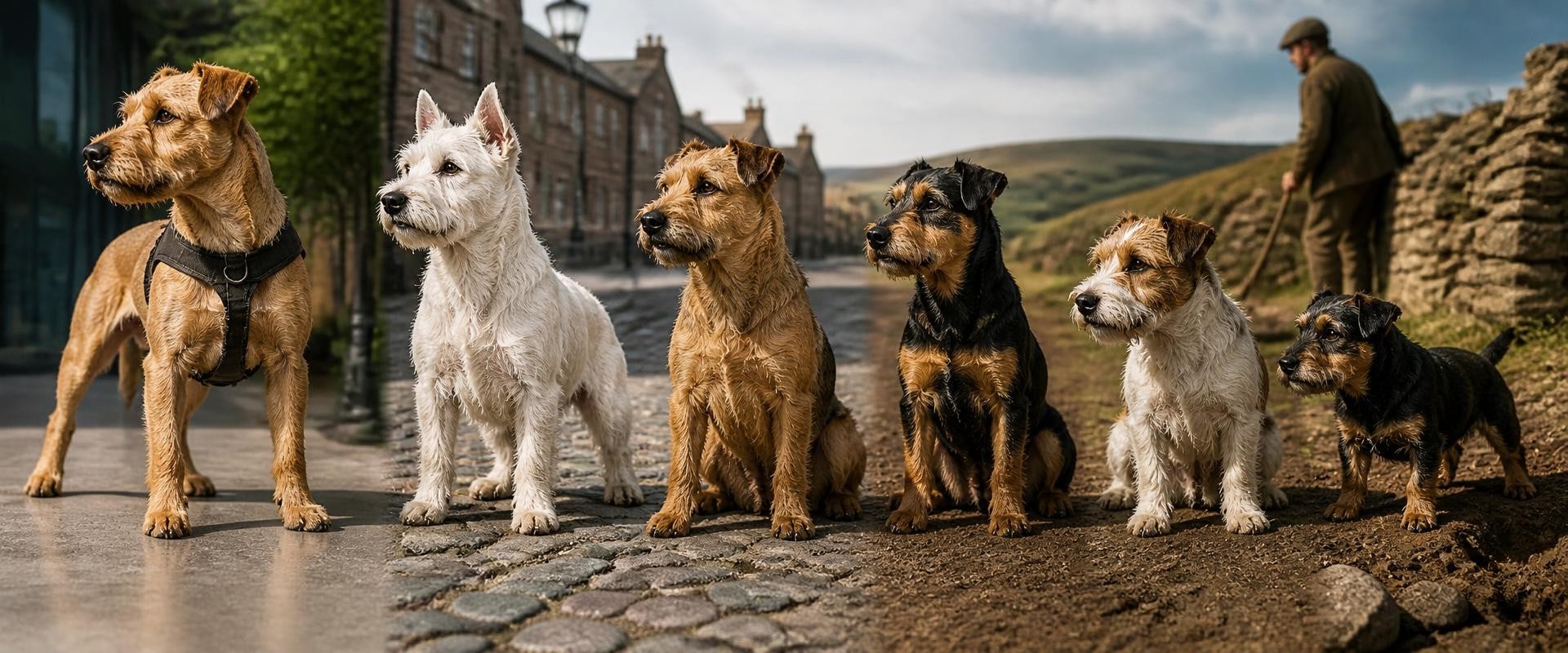
Throughout history, terriers have played a myriad of roles, evolving alongside humans and adapting to the changing demands of society. From their humble beginnings as feisty vermin hunters to their status as beloved family companions, the journey of terriers is a fascinating tale that reflects not just the traits of these remarkable breeds but also the shifting landscapes of human culture. In this article, we delve into the evolution of terrier roles, exploring how these spirited dogs have transitioned through various functions over the centuries. As we embark on this exploration, we will uncover the historical significance of terriers, tracing their origins back to the working dog breeds in ancient times. We will examine how they were meticulously bred for specific tasks, each role shaping their physical characteristics and temperaments.
This evolution has not only defined their purpose but has also enriched the bond between humans and dogs, leading to the diverse array of terrier breeds we see today. Join us as we navigate through time, highlighting pivotal moments and influential figures in the history of terriers. By understanding the evolution of terrier roles, we gain insight into not only the breeds themselves but also the significant impact they have had on our lives. Whether you are a seasoned terrier enthusiast or just curious about these dynamic dogs, this journey promises to enlighten and inspire. The evolution of terrier roles is a fascinating journey that reflects the changing relationship between humans and dogs over centuries. Terriers, with their tenacious spirits and unique characteristics, have played a pivotal role in various societies, primarily as working dogs.
Their origins can be traced back to the early 19th century in England, where these breeds were initially developed for hunting and vermin control. They were bred to be agile and spirited, enabling them to chase down small game and manage pests that threatened crops and homes. Among the most notable breeds that exemplify this early utility is the Jack Russell Terrier. Originally bred in the early 1800s by Reverend John Russell for fox hunting, the Jack Russell was designed for stamina and determination. Their ability to burrow into dens and flush out foxes made them indispensable to hunters of the time.
The breed’s energetic nature and intelligence have allowed them to transition seamlessly into family pets, but their history as hunters remains a key part of their identity. Another significant breed is the Airedale Terrier, often referred to as the 'king of terriers' due to its size and versatility. Originating in the Aire Valley of Yorkshire, Airedales were originally used for hunting otters and rats, and later became popular as police and military dogs during both World Wars. This breed embodies the complex evolution of terriers from working dogs to companions, highlighting how the needs of society shaped their roles over time. The transition from working dogs to beloved family pets can be attributed to various societal changes. As urbanization increased during the late 19th and early 20th centuries, the need for vermin control diminished significantly.
Consequently, many terrier breeds began to shift focus toward companionship rather than utility. This change was further influenced by the rise of dog shows and breeding clubs, which emphasized conformation and temperament over working ability. In contemporary society, the roles of terriers continue to evolve. Modern terrier ownership trends reflect a growing awareness of the importance of health, training, and grooming. Many owners now seek out educational resources to ensure their dogs are not only well-behaved but also physically healthy.
Training techniques have advanced significantly, with positive reinforcement methods becoming the standard approach. Statistics indicate that well-trained dogs are less likely to exhibit behavioral problems, enhancing their roles as family companions. However, with these changes come potential disagreements among dog owners regarding breed characteristics or care practices. Some argue that focusing on lineage and breed standards can overshadow the individual needs of each dog. Others emphasize the necessity of understanding a breed’s historical context to provide appropriate care tailored to their instincts and behaviors.
This ongoing discourse highlights the dynamic nature of terrier ownership and care. Expert opinions also play a vital role in shaping how we perceive terriers today. Veterinarians often advocate for regular health screenings due to certain breed-specific health concerns, while trainers emphasize early socialization and consistent training as crucial elements for well-adjusted pets. Adopting a balanced view allows potential terrier owners to appreciate both the historical significance of these breeds and their modern-day companionship roles. In conclusion, the evolution of terrier roles throughout history encapsulates a rich narrative filled with adaptation and resilience. From their beginnings as hunters to their current status as cherished family members, terriers represent not only a variety of unique traits but also a testament to our evolving relationship with animals.
Understanding this evolution is essential for modern terrier owners who wish to honor their dogs' heritage while providing them with a fulfilling life in today’s society.
Origins of Terrier Breeds
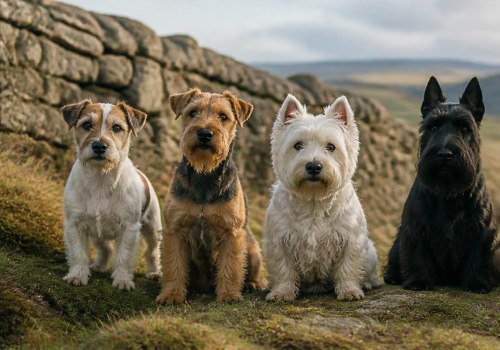
The origins of terrier breeds can be traced back to the early 19th century in the British Isles, where these dogs were developed primarily for their hunting abilities. Initially, terriers were bred to assist farmers and hunters in controlling vermin populations, including rats, mice, and other small pests. Their tenacity and agility made them ideal for these tasks. As agricultural practices evolved, so did the roles of terriers.Terriers
began to be recognized not only for their hunting prowess but also for their ability to work alongside humans in various capacities.For instance, the Jack Russell Terrier, developed in the early 1800s, was specifically bred to flush out foxes from their dens, showcasing their intelligence and determination. The Victorian era marked a significant turning point in the development of terrier breeds. As dog shows gained popularity, breeders began to focus on specific traits and characteristics, leading to the establishment of distinct breeds such as the West Highland White Terrier and the Scottish Terrier. This period saw a shift from purely functional dogs to those that also served as companions. Throughout the 20th century, the roles of terriers continued to evolve. While many breeds maintained their original hunting functions, others transitioned into family pets and show dogs.
Understanding the historical background of terriers helps modern owners appreciate the diverse skills and temperaments that different breeds possess today.
The Changing Roles of Terriers
The roles of terriers have undergone significant transformations throughout history, reflecting the changing needs and lifestyles of humans. Originally bred for their exceptional hunting skills, these dogs were invaluable partners in controlling vermin populations and assisting in the hunt for larger game. Their tenacity and agility made them ideal for burrowing into dens and flushing out prey, which is where many of the early terrier breeds found their purpose. As societies evolved, the demand for working dogs began to shift. With advancements in agriculture and urban development, the reliance on terriers for hunting diminished.Instead, these dogs began to transition into roles that emphasized companionship and loyalty. This change was not only due to a reduction in hunting needs but also a growing appreciation for dogs as family members and companions. Today, while many terriers still maintain their instinctual behaviors from their working days, they are primarily cherished for their companionship. Modern terrier owners often seek these breeds for their spirited personalities, intelligence, and ability to bond closely with humans. Understanding this evolution is crucial for contemporary owners, as it informs training practices, socialization efforts, and lifestyle choices that align with the unique traits of each breed. Moreover, the diverse roles that terriers have played throughout history—from hunters to companions—highlight the versatility of these breeds.
By recognizing how their functions have changed over time, owners can better appreciate the heritage of their terriers and ensure they provide an enriching environment that acknowledges both their past and present roles.
Caring for Your Terrier
Caring for your terrier involves understanding the specific needs of different breeds, as their roles and characteristics vary widely. From health care to grooming, each terrier breed has unique requirements that must be addressed to ensure their well-being.Health care
is paramount in maintaining a happy and active terrier. Regular veterinary check-ups are essential for early detection of potential health issues. Common health concerns for terriers include skin allergies, dental problems, and joint issues.Depending on the breed, owners should be aware of specific conditions that may affect their terrier and ensure they are up to date on vaccinations and preventative care. Training is another critical aspect of caring for your terrier. Terriers are known for their intelligence and strong-willed nature, making consistent training vital. Positive reinforcement techniques work best, as these breeds respond well to rewards and praise. Socialization is also crucial; exposing your terrier to various environments, people, and other animals will help them develop into well-adjusted companions. Grooming varies significantly among terrier breeds, with some requiring regular professional grooming while others may only need occasional brushing.
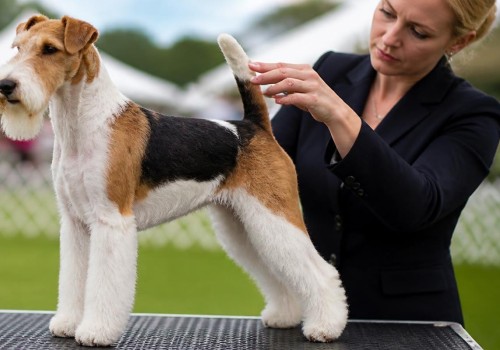
For example, wire-haired terriers benefit from hand-stripping to maintain their coat's texture, while smooth-coated breeds may only require weekly brushing to remove loose hair. Regardless of the breed, regular grooming helps prevent matting, reduces shedding, and promotes skin health. By addressing these aspects of care, terrier owners can ensure their pets lead healthy, fulfilling lives that honor the rich history of their breed.
Connecting with the Terrier Community
Engaging with the terrier community is an enriching experience for both new and seasoned terrier owners. By connecting with fellow enthusiasts, you can share insights, stories, and resources that enhance your understanding and appreciation of these remarkable breeds. One of the most effective ways to engage with the community is by participating in local and national terrier events. These gatherings often include dog shows, competitions, and breed-specific meetups where owners can showcase their dogs and learn more about different terrier breeds.Events like the Westminster Kennel Club Dog Show or local agility trials provide opportunities to connect with other terrier lovers who share your passion. Additionally, many organizations and rescue groups offer adoption resources for those looking to bring a terrier into their home. Websites like Petfinder and breed-specific rescues can help you find terriers in need of a loving family. Engaging with these organizations not only helps you find a new companion but also connects you to a network of people committed to the welfare of terriers. Online platforms such as social media groups and forums dedicated to terrier breeds are excellent places to interact with other enthusiasts. These platforms allow for sharing of tips, advice on training, health concerns, and personal anecdotes.
Joining these communities can provide valuable support and build friendships based on a mutual love for terriers. In summary, connecting with the terrier community through events, adoption resources, and online platforms not only enriches your experience as a terrier owner but also fosters a sense of belonging within this vibrant network of dog lovers. In conclusion, we have explored the evolution of terrier roles throughout history, highlighting how these resilient breeds transitioned from essential hunting companions to beloved family pets. The adaptability of terriers to various tasks—from vermin control to providing companionship—demonstrates their unique versatility. Understanding this historical context is crucial for today’s terrier owners, as it informs how we care for and appreciate our furry friends in modern society. As we reflect on the past, it's vital to recognize the ongoing needs of our terriers today. Ensuring they receive proper care, socialization, and engagement is paramount for their well-being.
By connecting with the terrier community and sharing experiences, we can continue to honor the rich heritage of these breeds while adapting to their evolving roles in our lives.