For life with terriers.
Essential Ear Cleaning Techniques for Your Terrier
Learn effective ear cleaning techniques for terriers to ensure their health and hygiene.
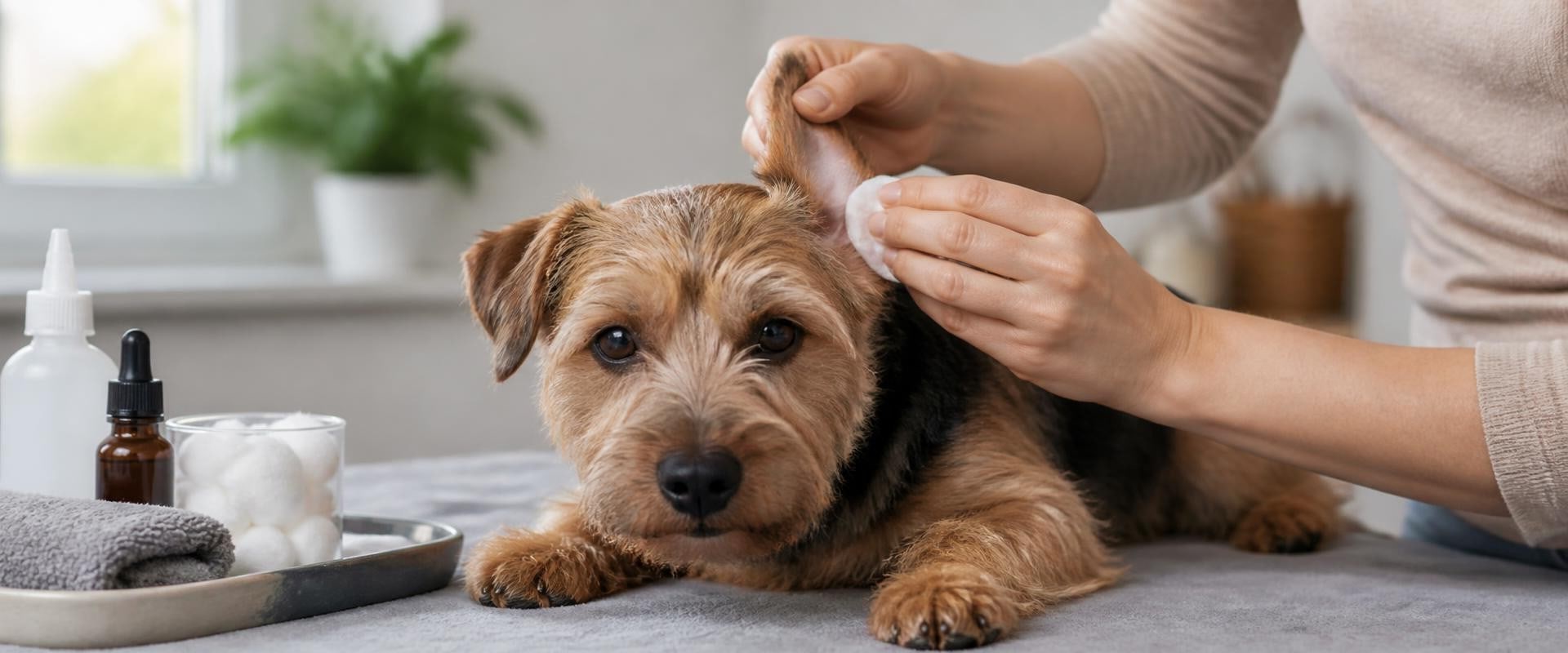
As a proud terrier owner, you understand that grooming goes beyond just keeping your furry friend looking sharp. One essential aspect of grooming that often gets overlooked is ear cleaning for terriersear cleaning for terriers. While these spirited little dogs are known for their playful antics and boundless energy, their ears can accumulate dirt, wax, and debris that may lead to discomfort or infections if left unattended. In this guide, we will explore essential ear cleaning techniques specifically tailored for your terrier's unique needs. You might wonder why ear cleaning is so crucial—after all, terriers are often perceived as low-maintenance pets.
However, just like any other breed, they require regular care to maintain their overall health and well-being. Neglecting their ears can lead to painful conditions that could easily be avoided with a little knowledge and effort. So, whether you're a seasoned groomer or a new terrier parent, it's time to equip yourself with the right tools and techniques to ensure your pup's ears remain clean and healthy. Join us as we dive into the world of at-home ear care, providing you with step-by-step instructions and tips that will make the process smooth and stress-free for both you and your beloved companion. Understanding the anatomy of a terrier's ear is crucial for effective ear cleaning. Terrier breeds, like the Jack Russell or the Scottish Terrier, often have unique ear structures that can predispose them to various ear issues.
The external part of the ear, known as the pinna, can vary significantly in shape and size depending on the breed. Some terriers have erect ears, while others have floppy ones. This variation affects airflow and moisture retention within the ear canal, both of which are important factors in ear health. In general, terrier ears have a vertical canal that can trap dirt, wax, and moisture, making regular cleaning essential to prevent infections. Common ear problems specific to terrier breeds include ear infections and wax buildup.
Terriers are known for their active lifestyles, which often leads them to explore muddy fields or play in water. These activities can introduce bacteria and debris into their ears, increasing the risk of infections. Symptoms of an ear infection may include redness, swelling, and discharge from the ear canal. Wax buildup is another issue that terrier owners should be vigilant about; excessive wax can lead to discomfort and itching, prompting your dog to scratch their ears excessively.
Over time, these issues can severely impact your terrier's overall health and well-being. Cleaning a terrier's ears safely at home is a straightforward process when equipped with the right tools. Begin by gathering supplies: a vet-recommended ear cleaning solution, cotton balls or gauze pads, and treats for positive reinforcement. Make sure to choose a cleaning solution specifically designed for canine use, as human products can be harmful. To begin the cleaning process, find a quiet area where your dog feels comfortable.
Hold your terrier gently but securely, ensuring they are calm. Apply a few drops of the cleaning solution into the ear canal and massage the base of the ear for about 20-30 seconds to help loosen any debris. Afterward, allow your dog to shake their head; this natural behavior helps dislodge dirt and wax. Follow up by using a cotton ball or gauze pad to wipe away any visible debris from the outer ear. The frequency of ear cleaning varies based on different terrier breeds.
For instance, terriers with floppy ears tend to accumulate more moisture and debris and may require cleaning every two weeks. In contrast, those with erect ears may only need attention once a month. Additionally, consider your dog's activity level; if they frequently swim or roll in dirt, more frequent cleanings may be necessary. Making the ear cleaning process easier for both you and your dog involves employing positive reinforcement techniques. Start by introducing your terrier to the cleaning supplies gradually—allow them to sniff and investigate before beginning the actual process.
During the cleaning session, offer plenty of praise and treats to create a positive association with ear cleaning. If your dog becomes anxious or resistant, take breaks and try again later; patience is key. It’s vital for dog owners to recognize signs that indicate a visit to the vet is needed. If you notice unusual odors coming from your terrier’s ears or if they exhibit signs of pain—such as excessive scratching or head shaking—these could be indicators of an infection or other serious issue that requires professional attention. Finally, there might be disagreements among dog owners regarding ear cleaning practices. Some may advocate for more natural methods while others prefer commercial products.
It’s essential to rely on evidence-based solutions when deciding on an approach to ear care for your terrier. Consulting with your veterinarian can provide tailored advice based on your dog's specific needs and help clarify any misconceptions.
Understanding Your Terrier's Ear Anatomy
To effectively clean your terrier's ears, it's essential to understand their unique ear anatomy.Terriers
typically have either erect or drop ears, both of which come with distinct cleaning needs. Erect ears allow for better air circulation, helping to reduce moisture build-up, while drop ears can trap heat and moisture, creating an ideal environment for bacteria and yeast growth. The ear canal of a terrier is shaped like an 'L', which means it has a vertical and a horizontal component.This structure can make it more challenging for debris and wax to naturally exit the ear canal. Consequently, regular cleaning is vital in preventing accumulation that could lead to infections. Furthermore, the skin inside a terrier's ears is sensitive and prone to irritation. Using harsh chemicals or improper cleaning techniques can exacerbate these issues, making it crucial to know how to clean gently and effectively. Understanding this anatomy not only helps you perform necessary cleaning tasks but also enables you to recognize early signs of potential problems, such as unusual odors or excessive scratching.
Common Ear Problems in Terriers
Terriers are energetic dogs, and their playful nature can lead to various ear-related issues if not properly managed.Ear infections are one of the most common problems faced by terriers. These infections can be caused by a buildup of moisture, dirt, and wax in the ear canal, creating a breeding ground for bacteria and yeast. Another issue that terriers may encounter is ear mites. These tiny parasites can cause significant irritation and discomfort. Symptoms of ear mites include excessive scratching of the ears, shaking of the head, and a dark, crumbly discharge from the ear. Additionally, allergies can play a significant role in ear problems for terriers.
Allergic reactions to food, pollen, or dust can lead to inflammation in the ears, resulting in itching and infections. Owners should be vigilant about identifying potential allergens that may affect their terrier. Finally, it is important to be aware of ear wax buildup. While some wax is normal, excessive wax can block the ear canal and lead to discomfort and potential infections. Regular cleaning and monitoring can help prevent this issue from escalating.
Frequency of Ear Cleaning
When it comes to ear cleaning for terriers, the frequency can vary depending on the specific breed and their lifestyle.Generally, terriers are active dogs that love to explore, which can lead to dirt and wax accumulation in their ears. For most terrier breeds, it is advisable to check their ears at least once a week. This routine inspection helps you identify any signs of excess wax, dirt, or potential infections early on. Breeds with floppy ears, such as the Scottish Terrier or West Highland White Terrier, may require more frequent cleaning—about every 5 to 7 days—due to the moisture and heat trapped inside their ears. On the other hand, terriers with erect ears, like the Jack Russell Terrier, might not need ear cleaning as often but should still be checked weekly. If you notice excessive wax buildup or an unpleasant odor, it’s important to clean their ears right away, regardless of their ear type. Additionally, if your terrier swims frequently or enjoys playing in muddy environments, you may need to clean their ears more regularly after such activities to prevent infections.
Keeping a consistent ear cleaning schedule tailored to your terrier's needs will ensure their ears remain healthy and free from issues.
Making Ear Cleaning Easier
Training your terrier to accept ear cleaning can make the process smoother and more enjoyable for both of you. Start by introducing your terrier to the ear cleaning tools in a positive environment. Allow them to sniff and explore the items, such as cotton balls or ear cleaning solutions, so they become familiar with them. Next, create a routine that incorporates ear cleaning into your terrier's grooming sessions. Choose a time when your terrier is calm, such as after a walk or playtime.Use treats and gentle praise to encourage your terrier to remain still. Start by gently handling their ears, massaging the base, and gradually introducing the cleaning process. Always reward your terrier after each successful cleaning session, whether with treats, affection, or playtime. This positive reinforcement helps them associate ear cleaning with something enjoyable. Consistency is key; practice regularly so that ear cleaning becomes a normal part of their grooming routine. If your terrier shows signs of anxiety or discomfort, take a step back and proceed more slowly.
Patience is essential when training your terrier. Over time, they will learn that ear cleaning is a simple and quick process that leads to positive outcomes.
When to See a Vet
While regular ear cleaning is essential for maintaining your terrier's ear health, there are times when you should seek professional veterinary attention.Ear infections
can develop quickly in terriers, especially due to their active lifestyles that expose them to dirt, moisture, and allergens. Be vigilant for signs such as excessive scratching or rubbing of the ears, which may indicate discomfort. If you notice a foul odor coming from your terrier's ears, it could be a sign of an infection that requires treatment.Additionally, discharge that is yellow, brown, or black in color is often a red flag that something is amiss. Another symptom to watch for is swelling or redness of the ear canal. If your terrier shows signs of pain when you touch their ears or if they shake their head frequently, these behaviors may suggest an underlying issue. In some cases, you might even see blood or crusty lesions around the ears, which necessitates immediate veterinary care. If your terrier is experiencing any of these symptoms, it’s crucial to consult with your veterinarian promptly. Early intervention can prevent more serious health complications and ensure your furry friend stays happy and healthy.
Step-by-Step Ear Cleaning Process
Cleaning your terrier's ears is a crucial part of their grooming routine.Follow these step-by-step ear cleaning techniques to ensure the process is safe and effective.
Step 1: Gather Your Supplies
- Before you start, make sure you have all the necessary supplies. You will need a gentle ear cleaner specifically formulated for dogs, cotton balls or pads, and possibly some treats to reward your terrier afterward.Step 2: Find a Comfortable Spot
- Choose a quiet, comfortable area where your terrier feels relaxed. This will make the cleaning process easier for both of you.Step 3: Assess the Ears
- Take a moment to examine your terrier's ears. Look for any signs of redness, swelling, or excessive wax build-up.If you notice anything unusual, consult your veterinarian before proceeding.
Step 4: Apply the Ear Cleaner
- Gently hold your terrier's head and lift the ear flap. Squeeze a few drops of the ear cleaner into the ear canal, making sure not to touch the applicator to the ear to prevent contamination.Step 5: Massage the Base of the Ear
- After applying the cleaner, gently massage the base of the ear for about 20-30 seconds. This helps to loosen any debris and allows the cleaner to penetrate deeper into the ear canal.Step 6: Allow Your Terrier to Shake
- Let your terrier shake their head to help dislodge any dirt and wax. You might want to do this outside or over a towel to catch any mess.Step 7: Wipe Away Debris
- Use a cotton ball or pad to gently wipe away any visible dirt and wax from the ear flap and outer ear canal.Be careful not to push any debris further into the ear.
Step 8: Repeat if Necessary
- If the ears still appear dirty, you can repeat steps 4 through 7 until they are clean. However, avoid over-cleaning, as this can irritate the ears.Step 9: Reward Your Terrier
- After cleaning, reward your terrier with praise and treats. This positive reinforcement helps them associate ear cleaning with a good experience. Regular ear cleaning for terriers will help maintain their ear health and prevent potential problems down the road. Make this a part of your grooming routine!Understanding Your Terrier's Ear Anatomy
The anatomy of your terrier's ears is crucial to understanding how to properly clean and maintain their health.Terrier ears can vary in shape and size depending on the specific breed, but generally, they fall into two main categories: erect and dropped. Erect ears, like those of the Jack Russell Terrier, allow for better airflow, while dropped ears, such as those seen in Cairn Terriers, can trap moisture and debris, making them more susceptible to infections. The inner structure of a terrier's ear consists of the outer ear (pinna), ear canal, and eardrum. The ear canal in terriers is relatively long and can have a slight curve, which makes it essential for pet owners to be thorough during cleaning. If dirt or wax accumulates in the canal, it can create a breeding ground for bacteria and yeast. Moreover, terriers are known for their active lifestyles, often exploring outdoors and engaging in playful activities.
This exposure increases the likelihood of dirt, pollen, and other allergens entering their ears. Understanding this anatomy not only helps you recognize the signs of potential ear problems but also underscores the importance of regular cleaning to prevent issues before they arise.
Understanding Your Terrier's Ear Anatomy
To effectively care for your terrier's ears, it is essential to understand their unique ear anatomy. Terrier breeds typically have a variety of ear shapes, including erect, semi-erect, and floppy ears. Each type presents its own challenges and requires specific cleaning techniques.For example, terriers with floppy ears tend to trap moisture and debris more than those with erect ears. This can create a perfect environment for bacteria and yeast to thrive, leading to potential infections. The ear canal of a terrier is also quite different from that of other dogs. It has an L-shaped structure that makes it more difficult for dirt and wax to exit naturally. This means that regular cleaning is vital to prevent blockages that could lead to discomfort or more serious health issues. Moreover, the skin inside a terrier's ear is sensitive and prone to irritation.
Using the wrong cleaning products or methods can exacerbate existing problems or create new ones. Therefore, understanding your terrier's ear anatomy not only helps in effective cleaning but also ensures that you are using the right approach to maintain their ear health. In conclusion, ear cleaning for terriers is an essential aspect of maintaining your pet's overall health and well-being. As we've discussed, understanding your terrier's ear anatomy and the common issues they face can help you stay proactive in their care. By following the step-by-step ear cleaning process outlined in this article and adhering to a consistent cleaning schedule, you can prevent infections and ensure your terrier remains happy and healthy. Remember to make ear cleaning a regular part of your grooming routine, adapting it to your terrier's unique needs and lifestyle.
If you notice any unusual signs or symptoms, don’t hesitate to seek veterinary advice. Your terrier’s ears deserve the best care!We encourage you to share your own experiences or tips in the comments section below. Your insights can help foster a supportive community among fellow terrier enthusiasts.